
Lampung Environment Agency and PHE OSES strengthen offshore oil and gas risk mitigation
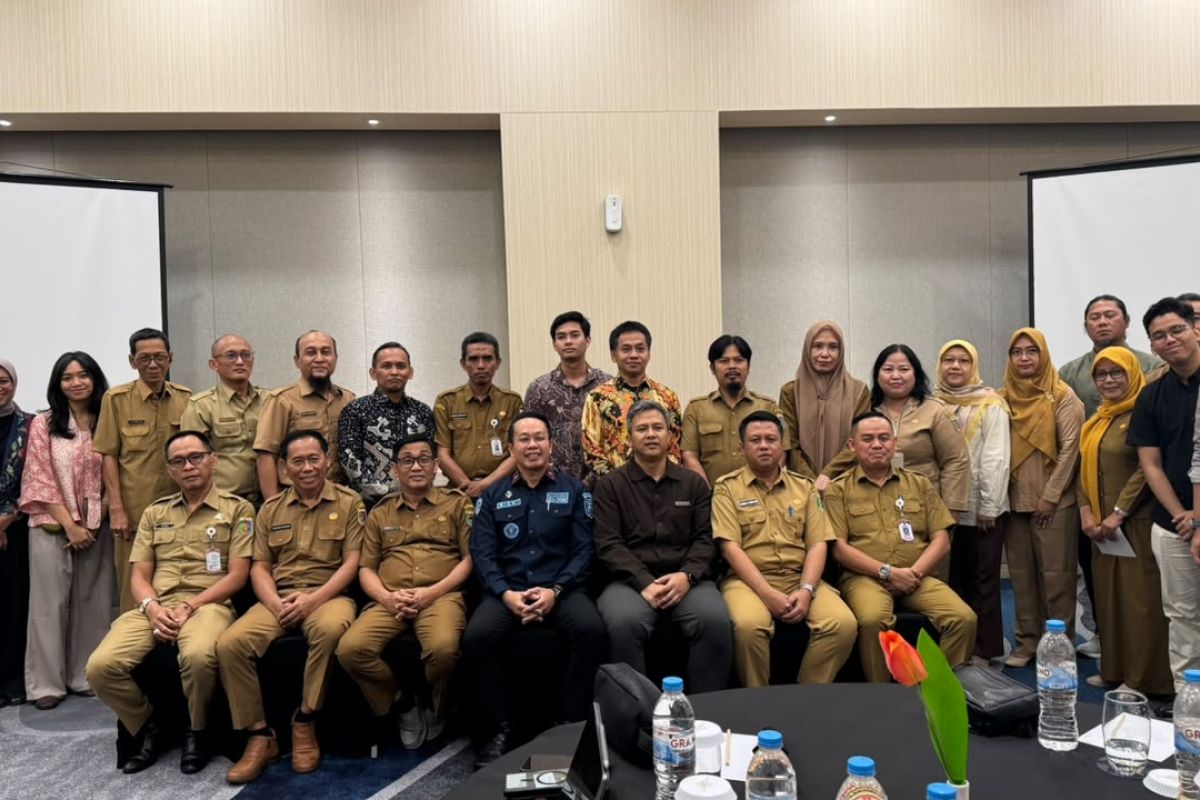
Bandar Lampung (ANTARA) – The Lampung Provincial Environment Agency (DLH) and PT Pertamina Hulu Energi OSES (PHE OSES) are strengthening cooperation to mitigate risks and improve emergency preparedness for offshore upstream oil and gas operations in the province.
“Offshore upstream oil and gas plays a strategic role in supporting national energy security and economic development. However, exploration and production activities carry operational risks that must be managed seriously and systematically, as they can directly affect human safety, the health of coastal and marine ecosystems, and the environment in Lampung,” Lampung Environment Agency head Riski Sofian said in Bandar Lampung on Tuesday.
He said a socialisation programme on emergency response and risk mitigation for offshore upstream oil and gas operations had been held to strengthen cooperation on preparedness, prevention and response to potential environmental emergencies.
“Environmental protection and management have a strong regulatory foundation, including Law No. 32 of 2009 on Environmental Protection and Management, as amended by Law No. 6 of 2023, and Government Regulation No. 22 of 2021,” he said.
Sofian explained that the regulations provide an important basis for businesses to apply the precautionary principle, manage hazardous and toxic materials (B3) and hazardous and toxic waste, and ensure that emergency response systems are planned and co-ordinated.
“The Lampung Provincial Government continues to encourage stronger regional regulations through a province-wide emergency response system for managing B3 and B3 waste. This will serve as a guide for building cooperation among the government, businesses and communities,” he said.
He identified three main aspects of risk mitigation for offshore upstream oil and gas operations. The first is prevention and preparedness: risk mitigation should begin at the planning stage through strict operating procedures, hazard identification, and readiness of personnel and supporting facilities.
The second is emergency response capacity. Potential emergencies, including oil spills and incidents involving B3 or B3 waste, require a rapid, appropriate and co-ordinated response to minimise harm to people and the environment.
The third is collaboration and social responsibility. Co-operation among the government, industry and coastal communities is essential to building community resilience. Through community engagement and development programmes forming part of corporate social and environmental responsibility (TJSL), companies can strengthen local capacity and encourage public participation in protecting coastal environments.
“I commend PHE OSES for its initiative and commitment to continued co-operation with the Lampung Provincial Government. This is a crucial opportunity to build a rapid, effective and co-ordinated emergency response system,” he added.
He said the socialisation programme was expected to strengthen understanding and co-ordination among the government, the oil and gas industry and other stakeholders in anticipating potential environmental emergencies. It also aims to balance sustainable upstream operations and national energy security with the preservation of Lampung’s coastal and marine ecosystems.
PHE OSES Head of Communications, Relations and CID Danya Dewanti also commented.
“Operational safety and environmental protection are our top priorities in conducting upstream oil and gas business. We recognise that offshore operations carry potential risks that require careful management, from prevention and preparedness through to emergency response,” Dewanti said.
Source: jawawa.id (https://jawawa.id/newsitem/lampung-environment-agency-and-phe-oses-strengthen-offshore-oil-and-gas-risk-mitigation-1793710411)
Originally published by Antara (Indonesian) (https://www.antaranews.com/berita/5829399/dlh-lampung-perkuat-mitigasi-risiko-operasi-hulu-migas-lepas-pantai), translated from Indonesian