
Lamandau Regency and Agrinas to Optimise Land Management
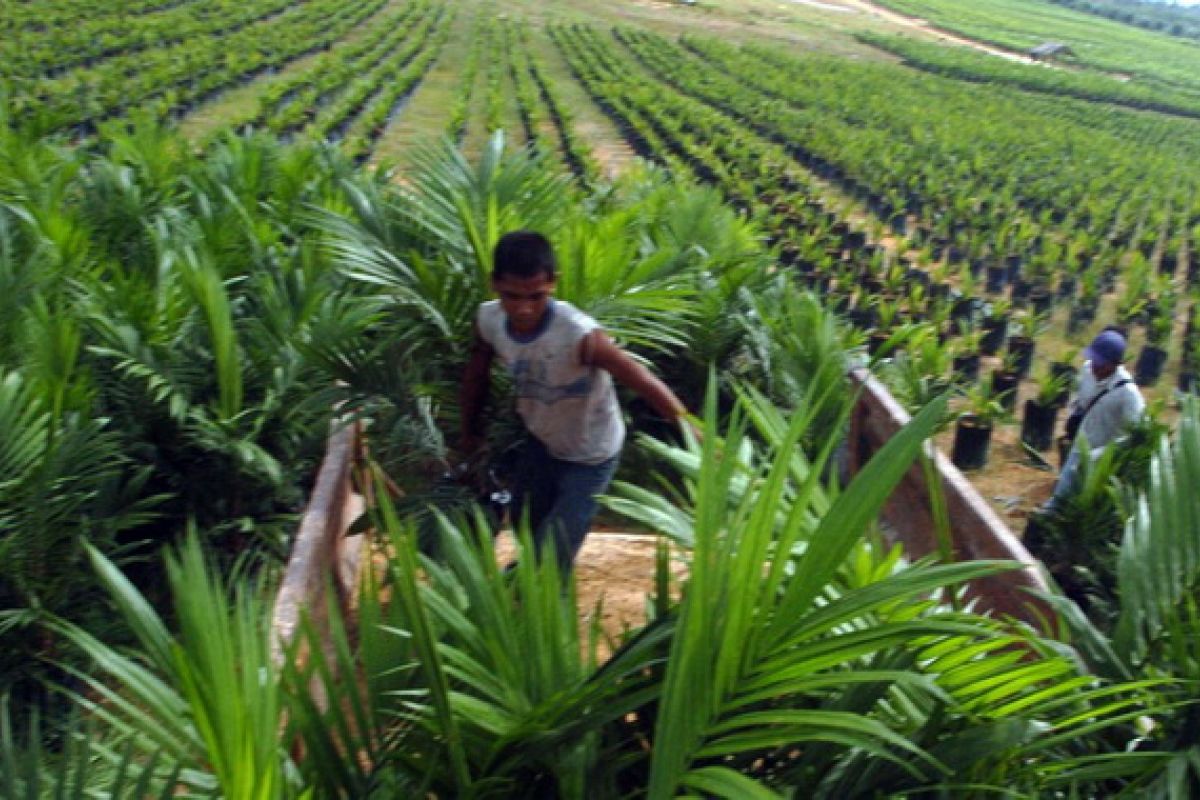
The Lamandau Regency administration in Central Kalimantan, together with PT Agrinas Palma Nusantara (Persero) Regional IX Central Kalimantan 2, has discussed optimising thousands of hectares of land in the area. “We welcome this cooperation plan. Investment entering the region must provide direct benefits to the community, both through job creation and improving the quality of human resources,” said Lamandau Regent Rizky Aditya Putra in Nanga Bulik on Thursday. The regent and his staff held an audience with Agrinas to discuss plans for managing land resulting from the Forest Area Enforcement Programme (PKH) in the region. This meeting was an initial step in building synergy between the Lamandau Regency Government and PT Agrinas Palma Nusantara to support regional development, while encouraging community economic growth through productive land management. During the audience, PT Agrinas Palma Nusantara conveyed that the company had received an assignment from the central government to manage land resulting from enforcement carried out by the Forest Area Enforcement Task Force (Satgas PKH). In Lamandau Regency, the potential land to be managed is estimated to reach around 27,000 hectares. Of this total, approximately 250 hectares have begun operations and are expected to continue developing through coordination and collaboration with the Lamandau Regency Government. Therefore, Regent Rizky stressed that higher education institutions such as the Lamandau Polytechnic should become strategic partners in preparing a workforce that meets the needs of PT Agrinas Palma Nusantara’s programme. The regent also emphasised the importance of giving priority to local workers, so that the people of Lamandau can directly feel the positive impact of investments made in the region. The Lamandau Regency Government hopes that the synergy with PT Agrinas Palma Nusantara will not only support the optimal management of PKH land, but also open up job opportunities, increase human resource capacity, and encourage sustainable economic growth and regional development.