
Lake Toba Water Levels Drop by 1.6 Metres, IPB Expert Warns of Mass Fish Deaths Risk
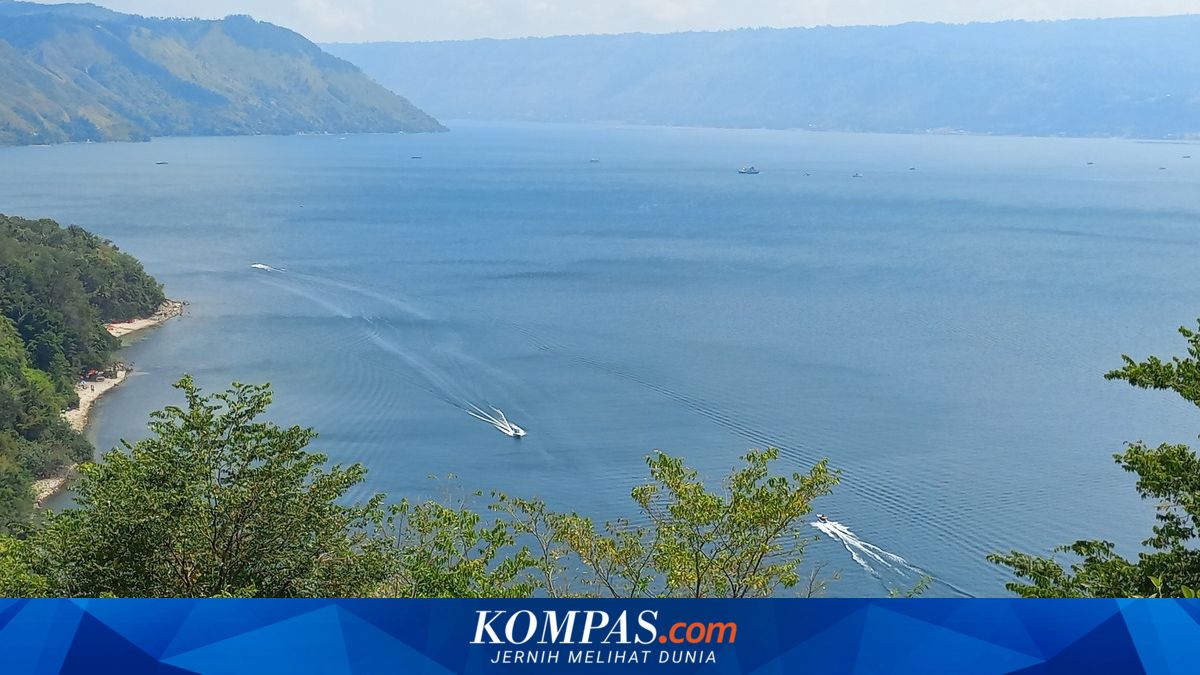
The floating net cage (KJA) aquaculture sector in the Lake Toba area is now under the shadow of a serious threat. Satellite altimetry data indicates that the lake’s water level has dropped by 1.6 metres since June 2025 to March 2026. This condition is expected to worsen with predictions of a prolonged dry season this year, potentially triggering mass fish deaths due to the mixing of water masses and toxic gases. The situation is compounded by the Meteorology, Climatology, and Geophysics Agency (BMKG) forecast of the simultaneous occurrence of the El Niño phenomenon and a positive phase Indian Ocean Dipole (IOD) in 2026. “This combination could trigger a prolonged dry season in Indonesia, including the Lake Toba region, which in turn would accelerate the shrinkage of the lake’s water volume and could cause mass deaths of fish in KJAs,” explained Prof. Jonson, quoted from the IPB University website. Prof. Jonson recalls the grim event of 2016, when thousands of tonnes of fish died suddenly as the lake’s water level dropped by 2 metres. Similar incidents on a smaller scale repeated in 2018, 2020, and 2023. The drop in water level is not the direct cause but rather a trigger for complex hydrological processes. When shallow water occurs along with extreme weather or strong winds, organic waste sediments at the lake bottom are heavily stirred up. “At the same time, oxygen-poor water from the lower layers rises to the surface, causing a drastic drop in dissolved oxygen levels, resulting in the death of fish in KJAs,” explained the Professor from the Faculty of Fisheries and Marine Sciences at IPB University. Another major issue lies in the accumulation of domestic waste and fish feed at the lake bottom. In conditions of receding water and depleting oxygen, bacteria break down this waste anaerobically, producing harmful gases. “Hydrogen sulphide can damage the fish’s respiratory system, while methane also degrades water quality. The combination of low oxygen, high toxic gas content, and increased water turbidity becomes the cause of mass fish deaths,” he clarified. However, he emphasised that the responsibility does not lie solely with the fishermen. Local governments must also take concrete steps amid the 2026 climate threats. “Local governments and stakeholders need to act more proactively, not just with appeals, but with systems capable of providing accurate and rapid early warnings,” Prof. Jonson stressed.