
Lack of sleep and chronic stress can disrupt cortisol hormone
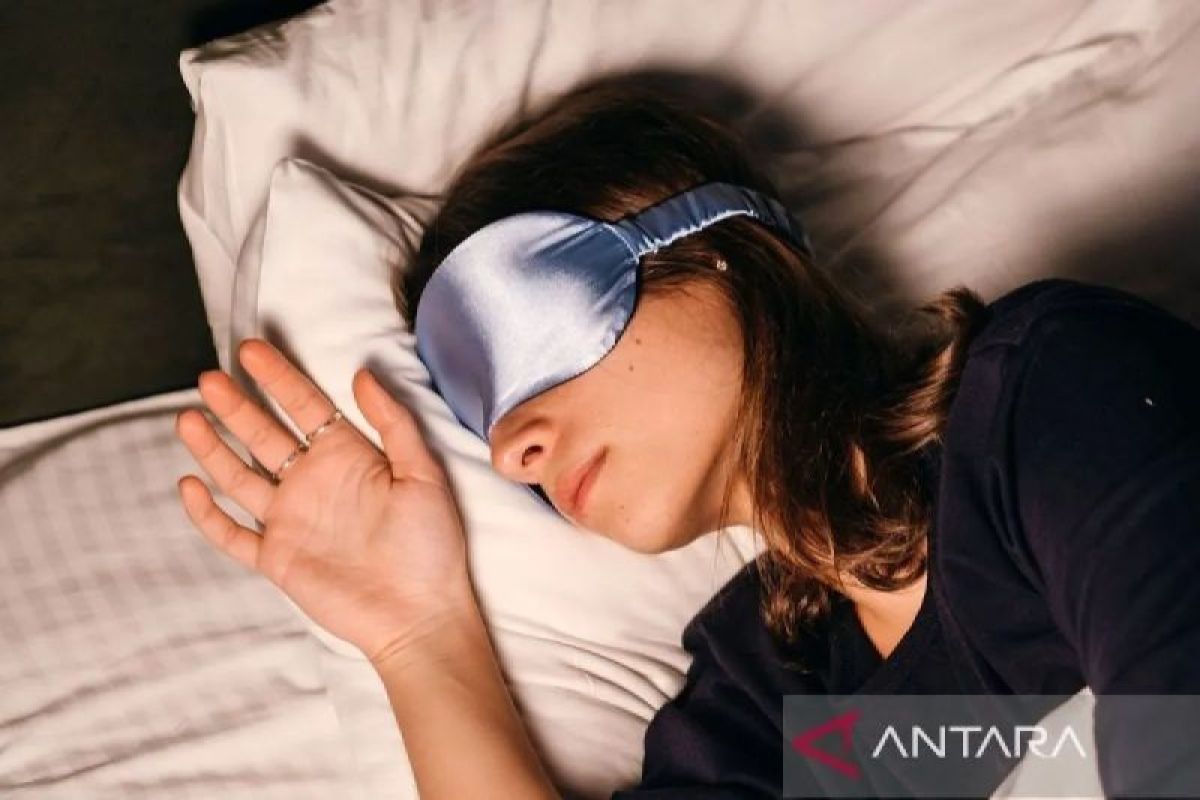
Lack of sleep and prolonged stress can disrupt the natural rhythm of the hormone cortisol, which plays an important role in regulating the body’s response to stress, metabolism, and the sleep-wake cycle. Citing Eating Well on Saturday, endocrinologist Maram Khalifa said cortisol is not actually a hormone to be avoided because it has important functions for the body. “Cortisol is the body’s natural alarm system. Its levels normally peak in the morning to help us wake up and decrease at night so the body can rest,” she said. However, according to Khalifa, a number of daily habits can disrupt this natural pattern, especially chronic stress and lack of sleep. She explained that ongoing stress causes the body to maintain cortisol levels at a higher level for a long time. This condition can disrupt the daily rhythm of cortisol, especially by increasing its levels at night when the hormone should be at a low level. As a result, the body finds it more difficult to enter the relaxation and recovery phase needed to maintain health. Meanwhile, doctor Simran Malhotra said people who consistently sleep less at night tend to have higher cortisol levels near bedtime. According to her, the habit of staying up late due to playing with gadgets, watching excessive shows, or finishing work can worsen this condition. “Poor sleep quality and duration can keep nighttime cortisol levels high,” she said. Khalifa explained that disruption of the cortisol rhythm can affect insulin sensitivity, glucose tolerance, and increase the risk of fat accumulation in the abdominal area and metabolic syndrome. To help maintain a healthy cortisol rhythm, experts advise the public to manage stress through meditation, breathing exercises, yoga, or cognitive behavioural therapy. In addition, regular physical activity, a consistent sleep schedule of seven to nine hours per night, and a regular daily routine can also help maintain the balance of this hormone. Experts emphasise that cortisol-lowering supplements are not the primary solution. Instead, good sleep quality and stress management remain the steps most supported by scientific evidence to keep the cortisol rhythm normal.