
Labuan Bajo's Warloka Landfill Incinerators Broken for Nearly Two Years, Waste Piles Up
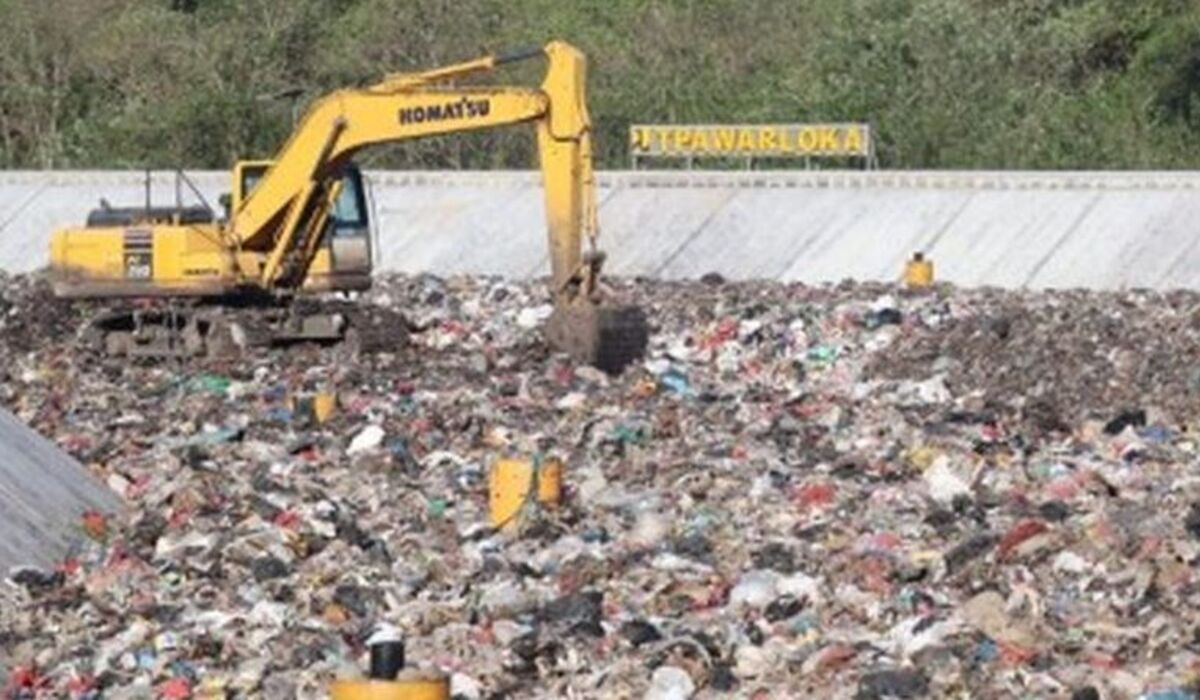
Waste management has become one of the most crucial issues in the deliberations of the West Manggarai DPRD’s Special Committee (Pansus) on Tourism Governance. Amid ambitions to strengthen Labuan Bajo’s position as a world-class destination, the Warloka Final Disposal Site (TPA) faces a serious threat due to the breakdown of two incinerator units, which has persisted for almost two years.
The incinerators were part of central government support to strengthen infrastructure for the Labuan Bajo Super-Priority Tourism Destination (DPSP). Head of the West Manggarai Environment Agency (DLH), Vinsensius Gande, confirmed the damage has completely halted the waste incineration process.
“The current condition of the Warloka landfill is indeed a serious concern for us. The biggest challenge is not only the rising volume of waste each year, but also the two incinerator units that have been broken for almost two years and cannot be operated,” Vinsensius said on Friday (26/6/2026).
With the equipment out of service, all incoming waste is now simply piled up conventionally, causing the heaps to swell daily. Vinsensius explained that repairs cannot be done instantly as they require specialised experts to handle the damaged technical components.
The Warloka landfill covers a total area of around five hectares. However, the effective area still available for waste is only about 0.74 hectares, or 7,400 square metres. Under normal conditions with functioning incinerators, this capacity was predicted to last until 2036. Without incineration, however, the site’s service life will certainly be far shorter.
DLH data shows a significant upward trend in waste generation in West Manggarai. The majority of waste consists of organic material, followed by plastic, paper, glass and textiles. Low awareness of sorting at the upstream level adds to the landfill’s burden.
Beyond technical problems at the site, DLH has also highlighted poor waste-management compliance from tourism support sectors. Of 412 vessels operating in Labuan Bajo waters, only 271 are recorded as actively paying waste levies. In the hotel sector, many businesses still fail to sort waste as required.
Vinsensius stressed that solving the waste problem cannot rely solely on fixing downstream facilities. “We invite the entire community, businesses, hotels, restaurants and communities to jointly reduce waste at its source. If upstream reduction does not happen, however good the facilities at the landfill are, they will not be able to keep pace with rising waste volumes,” he asserted.
These findings have become a priority for the West Manggarai DPRD Special Committee. Without a robust waste management system, Labuan Bajo’s premium image risks being eroded by an unending environmental crisis.
Vinsensius closed by emphasising that keeping Labuan Bajo clean is a collective responsibility. Success in preserving the face of this destination depends greatly on the participation of all elements of society, not just the government.
Source: jawawa.id (https://jawawa.id/newsitem/labuan-bajos-warloka-landfill-incinerators-broken-for-nearly-two-years-waste-piles-up-1784897525)
Originally published by Media Indonesia (https://mediaindonesia.com/nusantara/914445/insinerator-tpa-warloka-labuan-bajo-rusak-sampah-menumpuk-hampir-dua-tahun), translated from Indonesian