
Labuan Bajo Faces Waste Crisis, Local Government Pushes for Integrated Management System
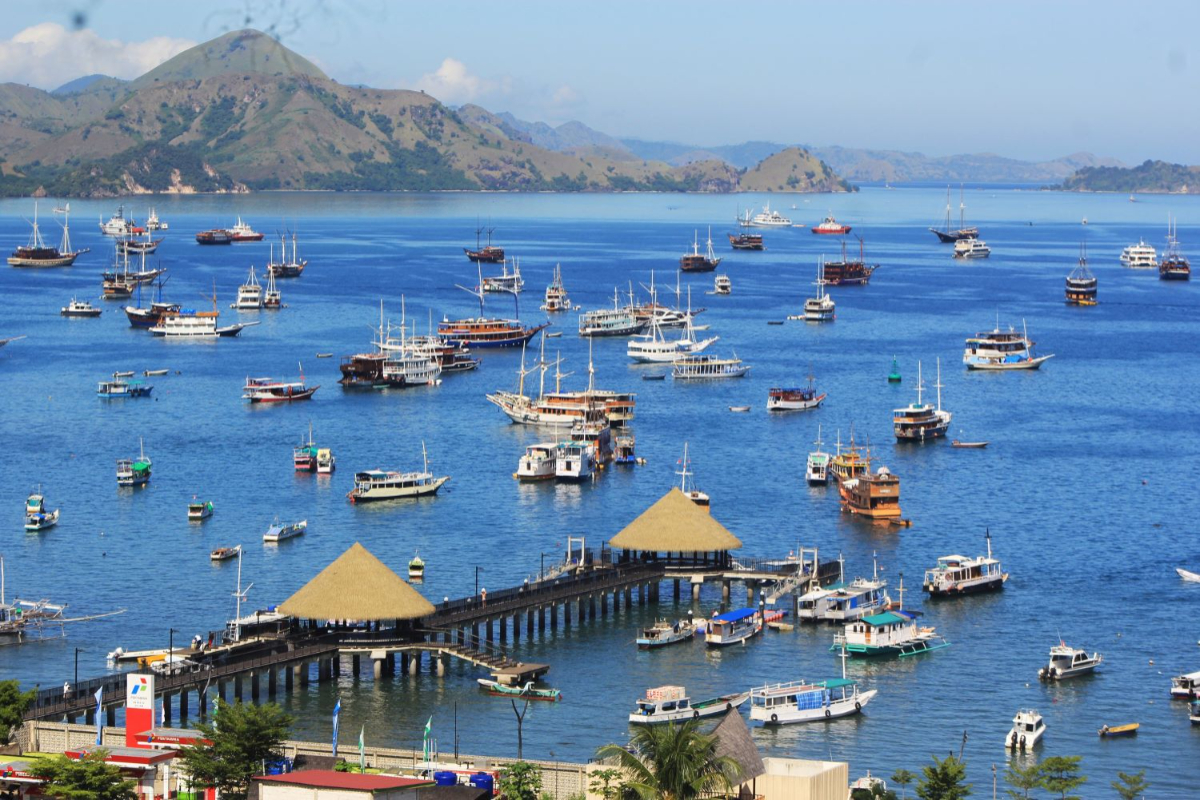
The West Manggarai Regency Government has placed the waste issue as a top development priority, equating its urgency with poverty alleviation. The Head of the West Manggarai Environmental Agency, Vinsen Gande, stated that the government’s commitment is not merely a slogan but is enshrined in official development agendas, including the Regional Medium-Term Development Plan. He acknowledged that while the government possesses fairly accurate technical data on the waste situation, the biggest challenge lies in field implementation. A fundamental problem is the lack of an integrated waste management system connecting land and marine areas, resulting in waste from maritime activities, tour boats, and ocean currents not being properly linked to land-based processing. Consequently, beaches remain littered despite ongoing clean-up efforts, dampening community motivation to care. Operational budget constraints, including fuel for waste transport fleets and equipment maintenance, also pose significant challenges. However, Gande emphasised that the primary hurdle is building effective collaboration among stakeholders, as existing forums and coalitions often operate in silos. He expressed hope that training involving hotel managers, tour boat operators, youth communities, and local agencies would yield strategic recommendations to strengthen cross-sector coordination. Martha Tulis, National Coordinator of the Indonesia Waste Platform, stressed that the waste problem in Labuan Bajo is inseparable from the conditions in the Komodo National Park islands. She warned that increasing tourism activity must be matched with robust waste management to prevent threats to the marine ecosystem and the area’s reputation as a premier Indonesian destination. Tulis noted that waste originates from various sources, including land-based communities, marine tourism, and ocean currents, requiring a collective response. The training was facilitated by IN-FLORES, a biodiversity conservation and sustainable ecotourism programme in Flores supported by the Ministry of Environment and Forestry, the Global Environment Facility, and UNDP Indonesia.