
Labour Minister Urges BPJS Ketenagakerjaan to Take Upstream Action amid High Workplace Accidents
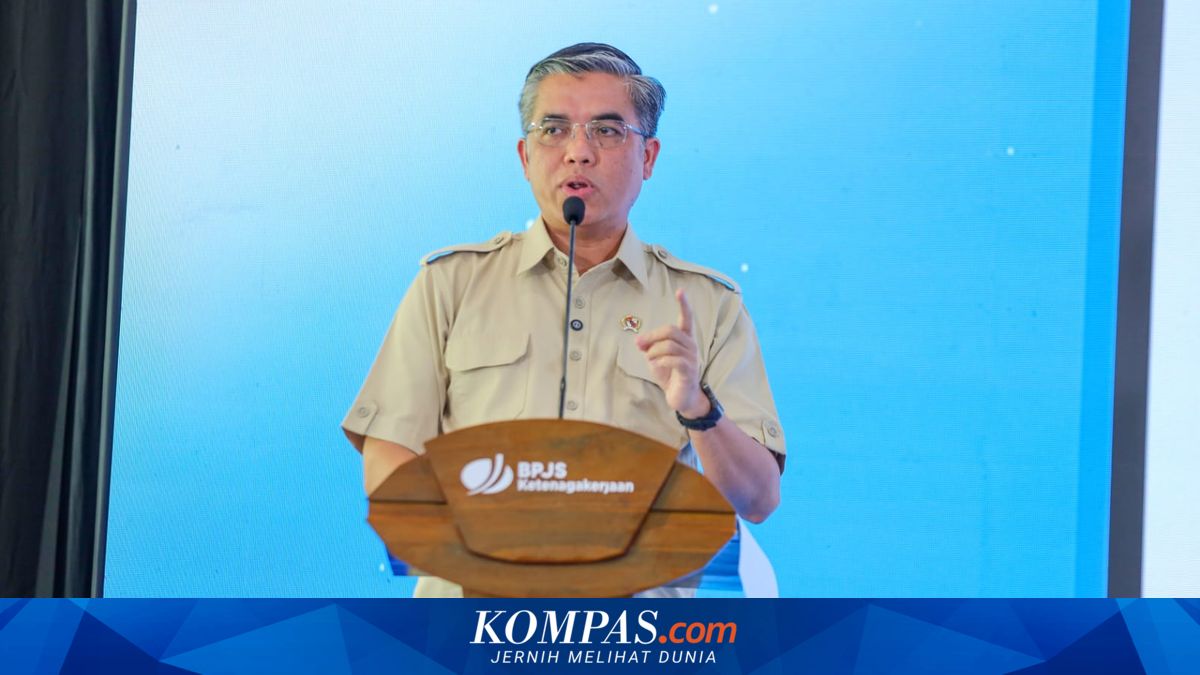
Labour Minister Yassierli has urged BPJS Ketenagakerjaan to take a bigger role in strengthening the Keselamatan dan Kesehatan Kerja (K3) culture, particularly through efforts to prevent workplace accidents in Indonesia. He said that reinforcing preventive measures is crucial given the high number of incidents. Based on 2025 data, there were 319,224 workplace-accident claims in Indonesia, of which 9,834 resulted in death and 4,133 in disability or total functional impairment. ‘The approach that has tended to be reactive and focused only on compensation will not be sustainable from an actuarial perspective. Investment upstream through promotive and preventive programmes can yield greater downstream savings,’ Yassierli said in a press release received by Kompas.com on Friday, 22 May 2026. The remarks were made during his talk at an event entitled ‘Strengthening the Role of BPJS Ketenagakerjaan in Reducing Workplace Accidents in Industry’ in Jakarta, on Thursday, 21 May 2026. He also highlighted data on Penyakit Akibat Kerja (PAK) – work-related illnesses – which tallied 158 cases. According to Yassierli, the figures do not fully reflect field conditions because reporting of cases remains a challenge. Data from the World Health Organization (WHO) and the International Labour Organization (ILO) also indicate that many worker deaths relate to diseases caused by the work environment. Therefore, he views a proactive approach through strengthening prevention programmes as essential to drive the implementation of the Sistem Manajemen K3 (SMK3). To tackle these challenges, the Ministry of Manpower (Kemnaker) has set three homework items to be carried out in collaboration with BPJS Ketenagakerjaan: first, strengthen the national K3 system through optimising services and the governance of claims; second, increase the effectiveness of prevention programmes via regional-based training; third, ensure that SMK3 in companies is implemented in a tangible and measurable way. The steps include data integration, streamlining the claims flow, mapping priority regions, and developing more effective prevention programmes. Saiful said these activities are expected to be the starting point for a closer synergy between Kemnaker and BPJS Ketenagakerjaan in realising a strong, autonomous, and sustainable K3 culture across Indonesia’s industrial sectors.