
Labour Minister to Evaluate WFH Directive for Private Sector, SOEs, and Regional SOEs in Two Months
The Ministry of Manpower (Kemenaker) will evaluate the work-from-home (WFH) policy for private sector employees, SOEs, and regional SOEs after two months of implementation.
In accordance with Circular Letter of the Minister of Manpower of the Republic of Indonesia Number M/6/HK.04/III/2026 on Work From Home and the Energy Optimisation Programme in the Workplace, the WFH directive for the private sector, SOEs, and regional SOEs—one day per week—applies from 1 April 2026.
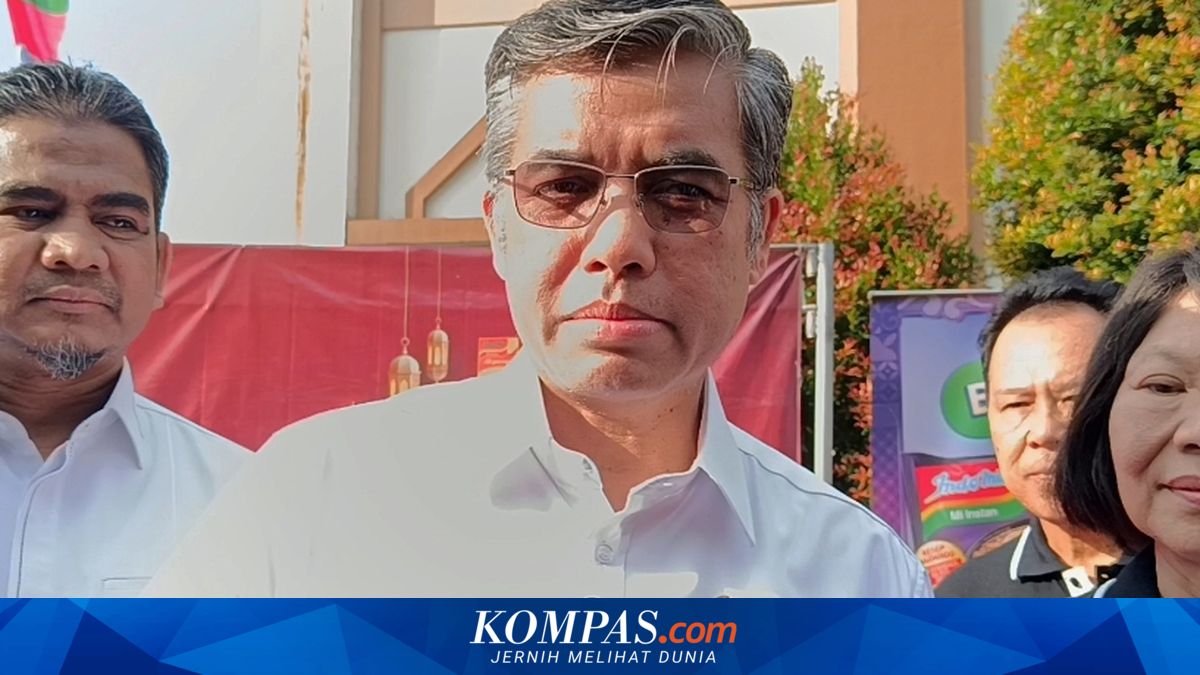
Manpower Minister Yassierli stated that the directive will be re-evaluated by the government in the next two months.
The evaluation after two months of implementation will also apply to the WFH policy for civil servants (ASN). The ASN WFH is regulated in Circular Letter of the Minister of Home Affairs Number 800.1.5/3349/SJ.
“It’s the same (as ASN WFH), because this is part of what was conveyed by the Coordinating Minister last night. So what he mentioned—those eight policies—will be evaluated in two months,” Yassierli replied when asked about the periodic evaluation of the private sector WFH policy during a press conference at his office in Jakarta on Wednesday (1/4/2026).
However, Yassierli emphasised that the two-month periodic evaluation only applies to the WFH policy for the private sector, SOEs, and regional SOEs. This is because the workplace energy-saving policy is planned to continue.
“If it’s related to our energy optimisation programme directive, we are confident it will continue to roll out. What will be evaluated is the WFH directive,” he stressed.
Meanwhile, Yassierli explained that the WFH policy for the private sector, SOEs, and regional SOEs takes effect from 1 April 2026. The technical implementation is left to each company.
Companies are asked to discuss the WFH scheme with workers’ unions to ensure balanced outcomes.
“The technical WFH is left to the companies. So if the question is whether it’s on Friday? We leave it to each company,” he said.
The Ministry of Manpower also opens a complaint channel for workers experiencing violations. Reports can be submitted through the Lapor Menaker service on the official website.
“Wages or salaries and other rights remain paid as per regulations. WFH implementation does not reduce annual leave,” said Yassierli.
Nevertheless, Yassierli reminded workers to continue carrying out their duties during WFH. Companies must also maintain productivity and service quality at a prime level.