
Labour Minister: Social Security Protection for Wage Earners is Crucial
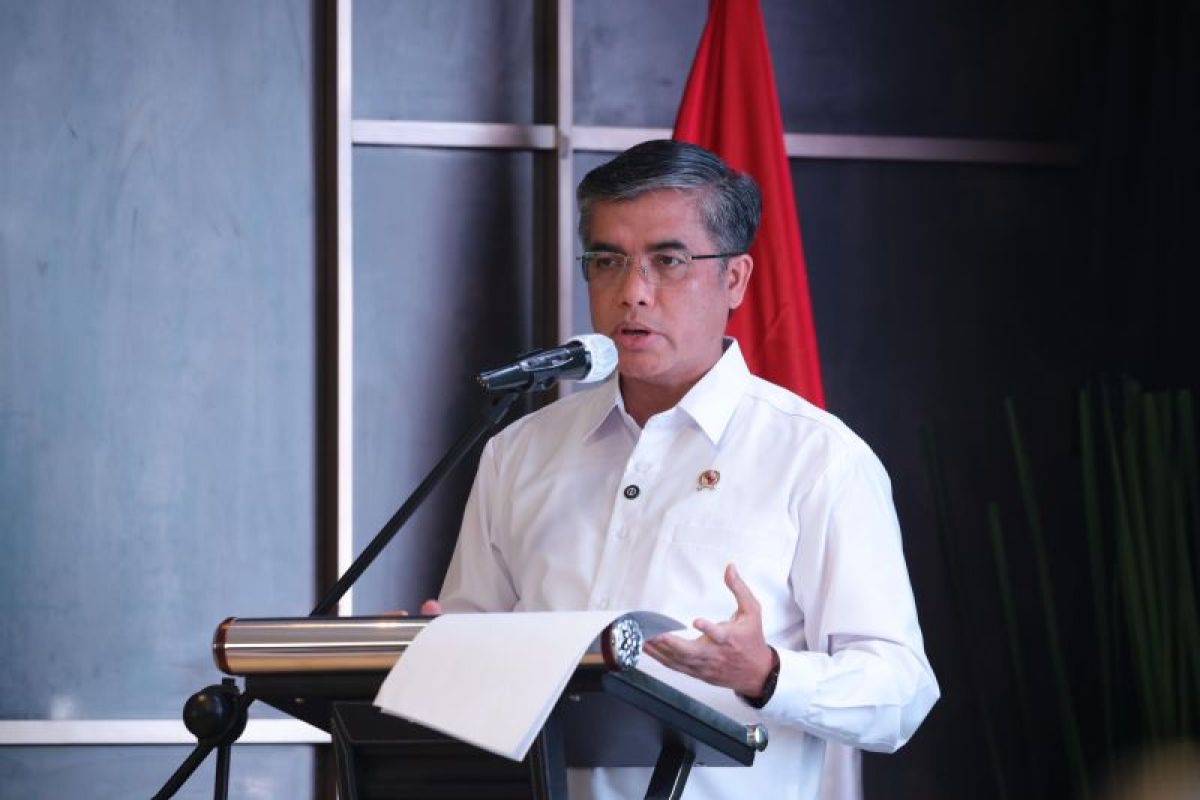
The Minister of Manpower, Yassierli, has reaffirmed the importance of labour social security protection for all wage-earning (PU) workers as an effort to provide certainty and a sense of security in the workplace.
Minister Yassierli stated that labour social security serves as a state instrument to ensure workers are protected from various occupational risks, from the start of their employment through to their non-productive years. “The state is present to ensure that workers do not face risks alone. Through labour social security, workers obtain protection from risks such as work accidents, death, job loss, and old-age security,” Yassierli said in a press statement in Jakarta on Saturday.
He explained that this protection encompasses several programmes, including the Work Accident Insurance (JKK), Death Insurance (JKM), Old-Age Benefits (JHT), Pension Security (JP), and Job Loss Insurance (JKP). He continued that all these schemes are designed to provide certain protection for workers and peace of mind for their families.
According to Yassierli, participation from the very beginning of employment is a crucial step to ensure sustainable protection, given that occupational risks can occur unpredictably. Furthermore, he emphasised the need to strengthen awareness and compliance regarding labour social security programmes among both employees and employers to ensure protection is more widely and evenly distributed.
“Working is not just about receiving wages, but also about ensuring there is a safety net when risks arrive without warning. Therefore, labour social security protection is extremely important for all wage-earning workers,” said the Minister.
He also called upon all companies and stakeholders to continue strengthening the culture of social security awareness to enhance the welfare and life certainty of Indonesian workers.
Previously, the Social Security Administering Body (BPJS) Ketenagakerjaan, also known as BP Jamsostek, recorded an increase in the number of active participants, reaching 47.2 million workers as of February 2024. The Deputy of Communication at BPJS Ketenagakerjaan, Erfan Kurniawan, stated that this number represents a 14 per cent increase compared to the same period the previous year. The 47.26 million workers consist of 26.65 million formal workers, 13.86 million informal workers (non-wage earners), 6 million construction workers, and 691,000 Indonesian migrant workers. To encourage further growth, BPJS Ketenagakerjaan will implement several strategies, including strengthening community-based approaches to expand labour social security protection for informal workers.