
Kwitang Sub-district Launches Waste-for-Nutritious-Food Exchange Programme
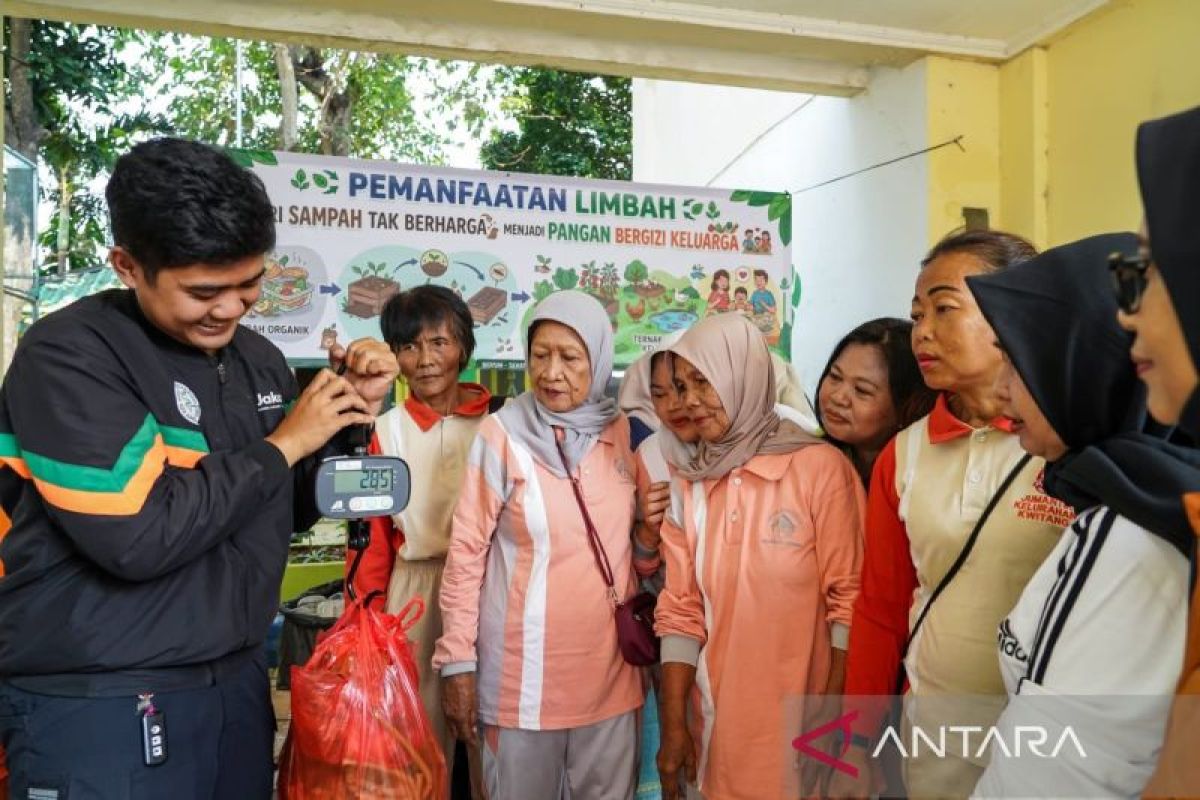
Kwitang Sub-district, Central Jakarta, has launched a programme to exchange organic and inorganic waste for nutritious food items and cash, aimed at reducing waste accumulation at the residential level.
Kwitang Head, Ferry Zahrudin, stated that the programme is being implemented across RW 01 to RW 09, with waste weighing conducted regularly every Friday morning at the Kwitang Sub-district Office courtyard.
“The collection mechanism is flexible. Residents can bring waste directly to the sub-district office or utilise pick-up services at local RW posts,” Ferry said in a written statement in Jakarta on Friday.
He explained that the programme is run through a collaboration between the Kwitang Sub-district, the Family Welfare Empowerment Team (TP PKK), and Corporate Social Responsibility (CSR) partners, as part of the implementation of Governor’s Instruction Number 5 of 2026.
According to him, the exchange mechanism differs based on the type of waste, whether organic or inorganic.
“Organic waste is collected, recorded, and handed over to the Environmental Agency (Sudin LH) to be processed into products, such as fertiliser,” said Ferry.
Currently, he noted, the exchange is limited to vegetables and fresh food items. However, the authorities are looking into expanding the programme’s benefits in the future.
“If future evaluations are positive, we will consider a mechanism to exchange waste for basic necessities, such as rice and cooking oil, for residents with the largest waste collections, to further motivate the community,” Ferry added.
Sherly, a local participant, noted that while waste collection by the Environmental Agency and PPSU officers already occurs three times a week, the addition of trade-in incentives provides further motivation for residents.
She assessed the programme as highly beneficial because waste can be directly exchanged for nutritious foods, such as cassava, sweet potatoes, and vegetables.
For most residents, she added, the monetary value of the waste is not the primary priority, but rather the long-term environmental impact.
“What is important to us is how waste reduction, especially organic waste, can be maintained for the future. If residents want to collect plastic bottles or cardboard, that is good, but our focus is on reducing waste volume,” Sherly concluded.