
Kuwait Faces Energy Crisis as Residents Urged to Conserve Power Amid Iranian Attacks
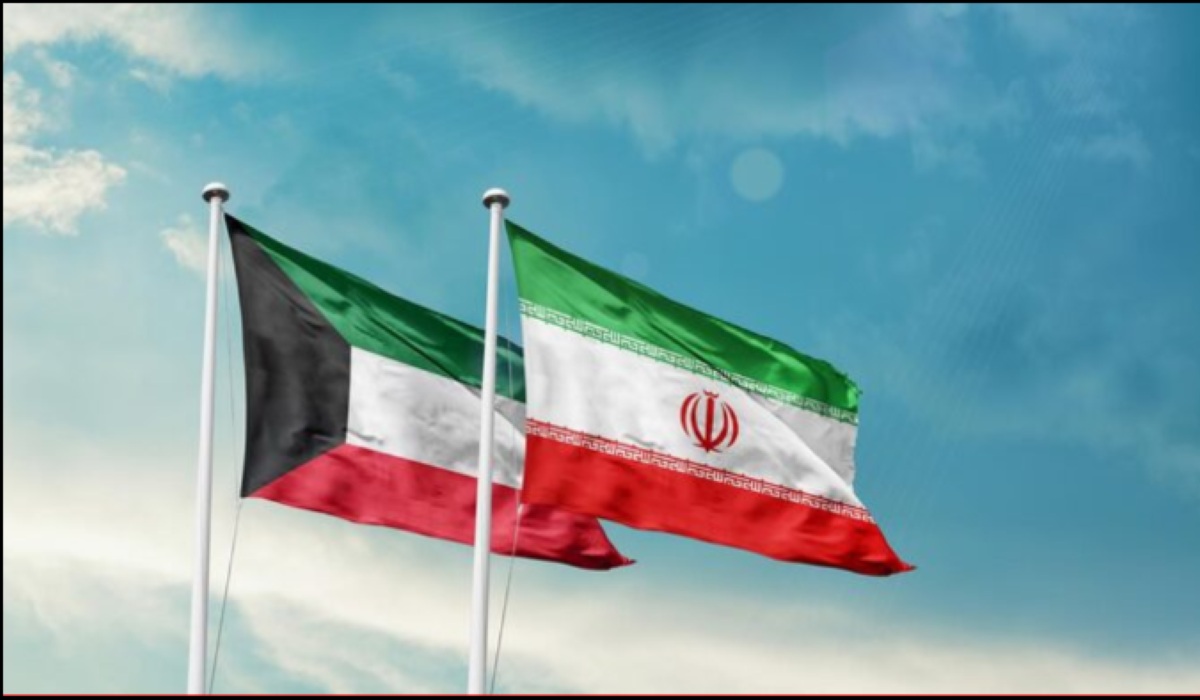
Residents of Kuwait, one of the world’s hottest countries, are being forced to limit their use of air conditioning at the height of summer after Iranian air strikes on power stations made energy conservation an urgent national priority. The public has been urged to curb consumption to maintain a 24-hour electricity supply, as the national grid remains under constant threat from Iranian attacks. Nasser Al-Dhafiri, a civil servant in his 40s, described the immense psychological pressure on the public amid fears of a total blackout.
For weeks, residents in Kuwait and Bahrain have been woken by sirens and explosions, with the two nations becoming primary Iranian targets in the Gulf since the collapse of a fragile ceasefire between Tehran and the United States. The conflict began in late February with a US-Israeli strike on Iran, which prompted the Islamic Republic to retaliate by targeting Gulf states. Al-Dhafiri noted that the daily attacks are worsened by strikes on vital infrastructure.
On Monday, Kuwait reported that Iran struck several power and water installations, sparking massive fires in the fourth such attack in as many days. Tehran has stated it is targeting US assets located in the country. In the Gulf, most desalination plants are integrated with power generation facilities, making water supply vulnerable not only to direct strikes but also to disruptions in the electricity grid.
The attacks are placing additional strain on a network that previously survived the 1991 Iraqi invasion and earlier waves of Iranian strikes this year. Despite being a major OPEC crude producer, Kuwait regularly struggles to meet domestic electricity demand, especially during summer when temperatures exceed 50 degrees Celsius. Residents are now taking their own initiative, with one local reporting he switches off his air conditioning before leaving home and turns off outdoor lights.
For many, the situation evokes dark memories of the 1991 Iraqi invasion, though some feel the current psychological pressure and uncertainty are even greater. The government is working to prevent systemic power outages, and a ministry spokesperson commended the public’s response for helping to keep consumption below projected levels and maintaining stability during this challenging phase.