
Kuwait and Bahrain Respond to Iranian Drone Attacks Amid Hormuz Strait Conflict
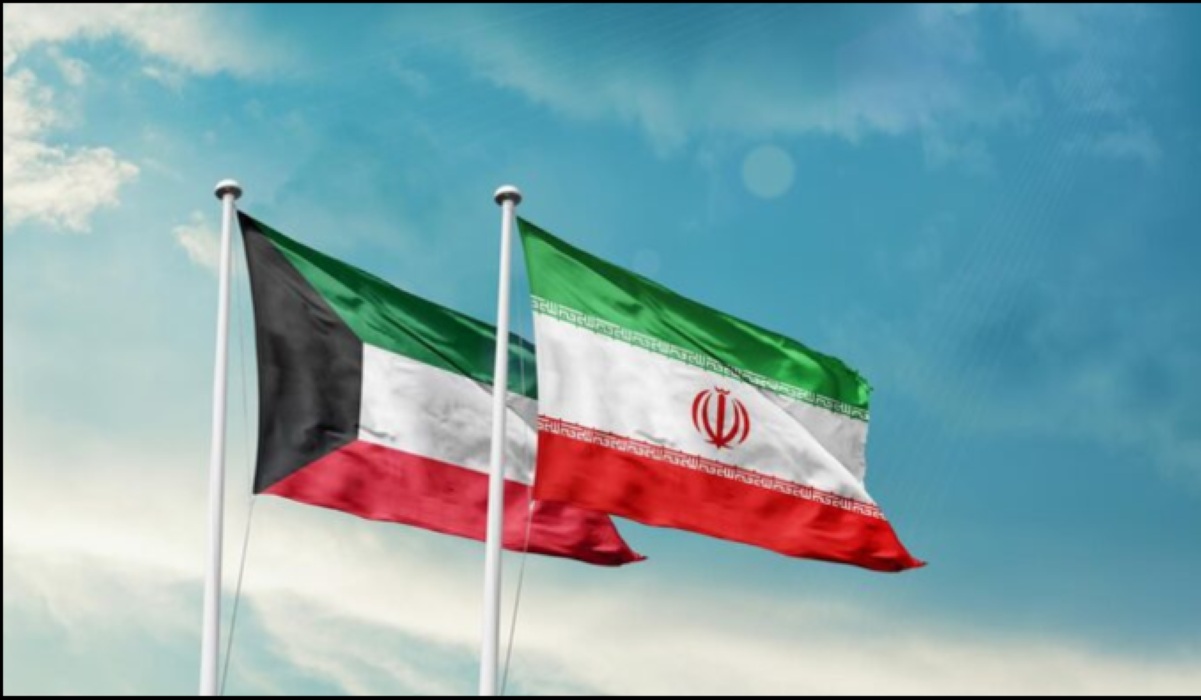
Tensions in the Gulf region have peaked once again after Kuwait and Bahrain reported new air attacks from Iran on Thursday (17 July) local time. The attacks occurred amid an exchange of fire between Tehran and Washington over control of the strategic Strait of Hormuz.
The Kuwaiti military stated that it was responding to a new wave of drone attacks and openly blamed Iranian aggression. An AFP journalist in Kuwait City reported hearing explosions near the Gulf state’s capital.
Earlier the same day, Kuwait and the island kingdom of Bahrain confirmed that their air defence systems had handled earlier waves of Iranian attacks. Warning sirens were heard blaring in Manama, the Bahraini capital.
Iran claimed the attacks targeted a number of strategic points. Although Iran maintained that it had only struck American military assets in the region, both Bahrain and Kuwait accused the Islamic Republic of also targeting civilian locations.
The two Gulf states have faced repeated attacks from Iran since hostilities between Washington and Tehran resumed on 7 July. This escalation is deeply regrettable given that a 60-day ceasefire was agreed in June, which had initially been hoped would end the war permanently and reopen the Strait of Hormuz.
Hostilities have now reached a level not seen since the 8 April ceasefire. The latest fighting was triggered by Iran’s targeting of vessels transiting the Strait of Hormuz, a vital waterway for oil and gas exports from the Gulf states. (AFP/I-2)
The Patriot air defence system is an American-made missile detection, tracking and destruction system.
Iran claimed to have attacked American targets in retaliation for Washington’s air strikes. Bahrain condemned the suspected Iranian drone attacks amid the fragile ceasefire.
Iran and the United States subsequently signed a memorandum of understanding (MoU) electronically on 18 June to end the military conflict.
Tensions between the US and Iran rose following attacks on Qeshm Island, Bahrain and Kuwait. One person was killed at Kuwait airport, and peace negotiations are now under threat of collapse.
Military escalation between the US and Iran has intensified after missile attacks in the Strait of Hormuz and Bahrain, threatening the diplomatic process and the regional ceasefire.
Although not directly involved militarily, Israel remains a key US partner through intelligence support in the latest conflict against Iran.
American citizen Dena Karari was released by Iran after being detained since December 2024. The release took place amid military tensions in the Strait of Hormuz.
The Mehr news agency reported that an American strike hit a point near a hospital, forcing the evacuation of hundreds of children being treated for cancer.
Iran also warned that under no circumstances would Tehran allow the United States, as a foreign power outside the region, to interfere in the Strait of Hormuz.