
Kuwait Airport Attacked by Shahed Drone, Iran Pressures US to Lift Blockade
Tension in the Gulf region has reached boiling point after a drone slammed into Terminal 1 of Kuwait International Airport on Wednesday morning (3/6). The attack comes just days after the airport resumed operations following war damage, marking a serious escalation in the confrontation between Iran and the United States.
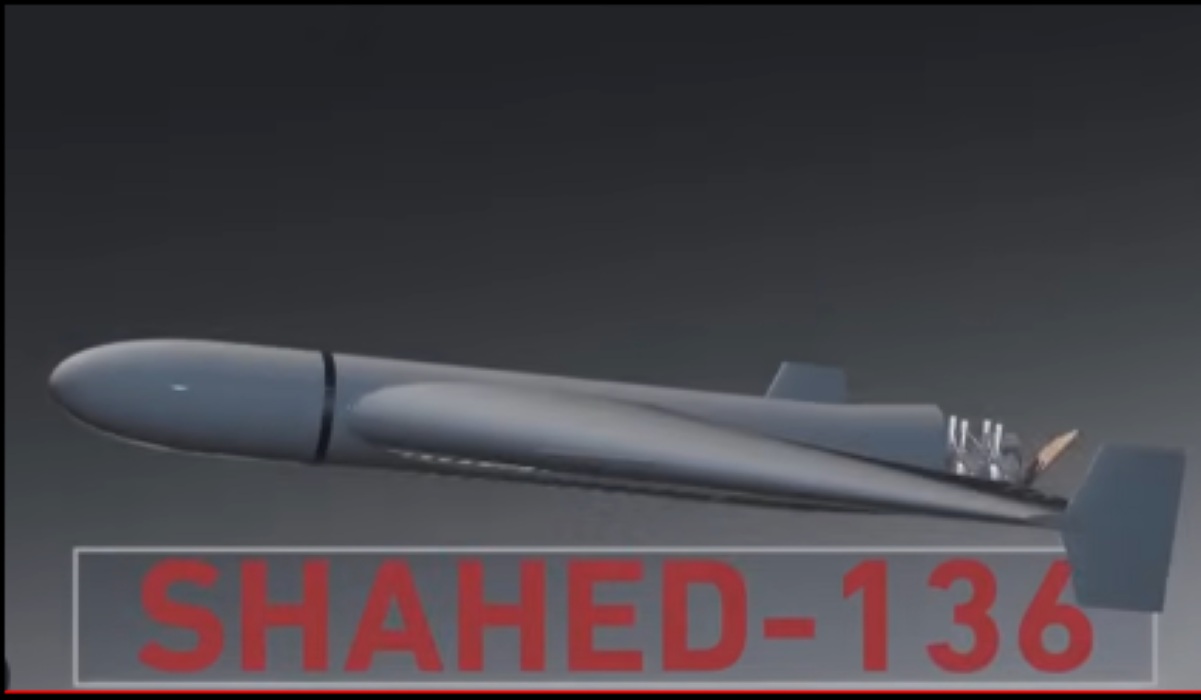
Kuwait’s civil aviation authority released video footage on Thursday (4/6) showing what was identified as an Iranian-made Shahed drone striking the terminal roof and exploding in a massive fireball. The tragic incident left one person dead and dozens injured, making it the first recorded conflict-related fatality outside Iranian territory in two months.
Analysts assess the attack as an attempt by Iran to pressure the United States into halting the economic blockade that is paralysing its ports. The strike occurred shortly after the US military disabled a vessel accused of heading to an Iranian port.
Umer Karim, a researcher at the King Faisal Center for Research and Islamic Studies, stated that Iran appeared to choose Kuwait as a target because it is perceived as more vulnerable than neighbouring states such as Saudi Arabia or the United Arab Emirates. “Iran views Kuwait as an easier Gulf state to target in order to send a message without triggering immediate retaliation from larger regional powers,” he said.
The attack not only targeted civilian infrastructure but also reportedly struck US military bases in Kuwait and Bahrain. This has raised significant questions among Gulf allies regarding Washington’s security commitments. Many Gulf states privately feel that the US is more focused on protecting Israel whilst they become ‘sacrificial lambs’ in this conflict.
Bader Al-Saif, a Gulf affairs expert from Kuwait University, expressed profound frustration with US foreign policy. “You dragged us into a war without consulting or listening to us. These old dynamics can no longer hold,” he asserted.
In response to the attack, the Kuwaiti government expelled two Iranian diplomats and arrested a number of Iranian paramilitary forces accused of attempting to infiltrate via sea routes. Conversely, Iran denied direct responsibility for the airport attack but stated that the action was retaliation for US strikes on its territory and vessels.
US Secretary of State Marco Rubio is scheduled to meet his Kuwaiti counterpart on Thursday morning to discuss the situation. The meeting is crucial given that negotiations regarding a war cessation framework remain deadlocked over issues of financial aid for Iran and restrictions on its nuclear programme.
As of now, despite international condemnation of the attack, there has been no direct military response from either the US or Kuwait. However, this incident is certain to force President Trump’s administration to reconsider the risks of continuing the maritime blockade in the Strait of Hormuz.