
Kutim Develops Sustainable Plantations Through ISPO Certification
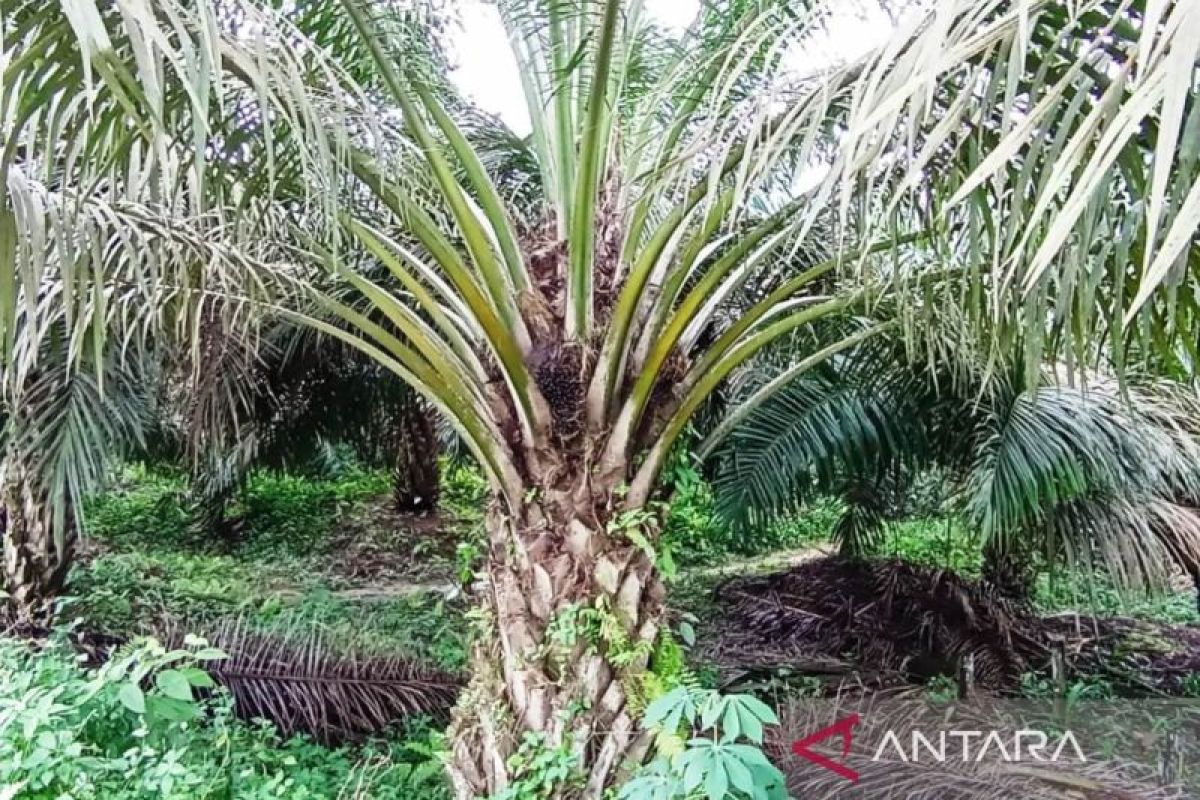
Sangatta, East Kalimantan (ANTARA) – The East Kutai Regency Government is strengthening sustainable plantation development through the Indonesian Sustainable Palm Oil (ISPO) certification scheme, which ensures plantations are managed in an environmentally friendly way over the long term.
“This is important because the regional government wants every plantation, including oil palm estates, to focus not only on production volumes but also on protecting the environment, as a way of improving the welfare of independent smallholders,” East Kutai Regent Ardiansyah Sulaiman said in Sangatta on Thursday.
The implementation of ISPO certification has been reinforced through the second phase of the Sustainable Landscape Initiative in Kutai Timur (Sustain Kutim), covering 2026–2030.
Oil palm is one of the main sources of income for the district and local residents, he said, but the government is also ensuring that farmers become more prosperous, cooperatives grow stronger and the environment remains protected.
The regent launched Sustain Kutim for 2026–2030 in Sangatta on Thursday (29 October 2026). The event was attended by relevant agencies, representatives of palm oil companies and leaders of independent smallholder cooperatives, which received ISPO and Roundtable on Sustainable Palm Oil (RSPO) certificates.
“Plantation development must strike a balance between the economic interests of the community and environmental sustainability. ISPO certification is an important instrument for ensuring that palm oil is recognised nationally and internationally,” he said.
In the programme’s first phase, which ran from 2023 to 2026, a key achievement was the awarding of ISPO and RSPO certificates to nine independent smallholder cooperatives in the Bengalon and Rantau Pulung sub-districts, representing more than 1,200 farmers.
He said the certification was an important asset for cooperatives, helping to strengthen their position in sustainable palm oil supply chains, open up wider market access and increase the selling value of farmers’ harvests.
In its second phase, Sustain Kutim is prioritising five areas: strengthening multi-stakeholder governance through the Kutai Timur Community and Government Forum (Formika); protecting and restoring ecosystems; promoting good agricultural and regenerative farming practices; developing alternative businesses; and aligning public budgets with environmentally responsible private investment.
The programme is supported by the Deutsche Gesellschaft für Internationale Zusammenarbeit (GIZ), Proforest and several international and private-sector partners.
“Sustain Kutim Phase II is expected to further strengthen the competitiveness of the region’s palm oil in global markets, while ensuring that the economic benefits of plantations are shared fairly with the community,” he said.
The East Kutai Regency Government is targeting Rp3 trillion in investment in palm oil downstreaming, drawing on the potential of around 500,000 hectares of oil palm plantations, 38 crude palm oil (CPO) mills and the Maloy Batuta Trans Kalimantan Special Economic Zone as a hub for palm oil downstream development.