
Kurbanlah Movement Distributes Sacrificial Animals to 3,000 Families in Aceh
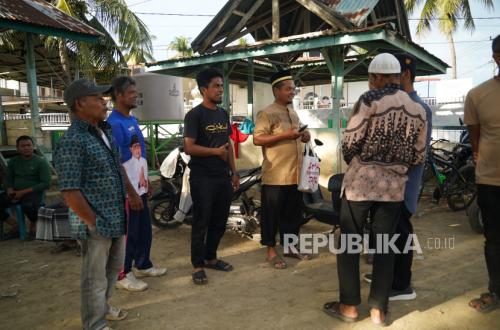
The #Kurbanlah: From Us to Aceh movement, initiated by Muzammil Hasballah in collaboration with the Habits Media Network, has successfully distributed sacrificial animals to more than 3,000 beneficiary families in disaster-affected regions of Aceh Province. This programme was born out of concern for communities still struggling with post-flood recovery in several areas. Through the Kurbanlah movement, citizens from various cities across Indonesia were invited to participate in the sacrifice ritual while simultaneously assisting their brothers and sisters in disaster-stricken areas.
In just two days, the movement successfully gathered participation from 457 donors. From this participation, 29 cattle and 27 sheep were collected and subsequently distributed across various regions in Aceh. The success of the Kurbanlah movement was supported by various media outlets and communities within the Habits Media Network ecosystem, including Muslimvox, Taubatters, Kawan Hawa, Quran Review, and Ngajilah. This cross-platform collaboration allowed information regarding the programme to reach millions of Indonesian Muslim audiences in a short period.
The slaughtering and distribution process began on Friday and continued through the final day of Tasyrik. Muzammil Hasballah was present in Aceh with the field team to ensure the entire process adhered to Sharia principles, remained transparent, and reached the intended targets. One of the primary locations for the activity was the Baitussattar Mosque in Pidie Jaya Regency. Following Friday prayers, the local community held a tradition of cooking and eating together using the distributed meat, fostering a sense of togetherness amidst the ongoing post-disaster recovery.
The event was attended by the Regent of Pidie Jaya, Sibral Malasyi, along with local government officials, community leaders, security forces, and the Kuttab Al-Fatih Aceh educational community. In his speech, the Regent of Pidie Jaya expressed his appreciation for the care shown to the people of Aceh, stating that he was proud to see such support helping citizens rise from difficult times.
In addition to assisting disaster-affected communities, the Kurbanlah programme provided economic benefits to the local population. All sacrificial animals were purchased directly from local Acehnese farmers, ensuring that economic circulation remained within the region. Consequently, the benefits of the programme were felt not only by the meat recipients but also by the farmers within the local economic chain. Furthermore, the programme successfully collected sacrifices in the names of 21 Quran teachers who serve communities in remote parts of Aceh. Muzammil Hasballah expressed his gratitude for the public’s enthusiasm, noting that the success of Kurbanlah serves as evidence of the widespread spirit of social solidarity in Indonesia.