
Kurban Livestock Stock in West Java for Eid al-Adha 2026 Confirmed Safe
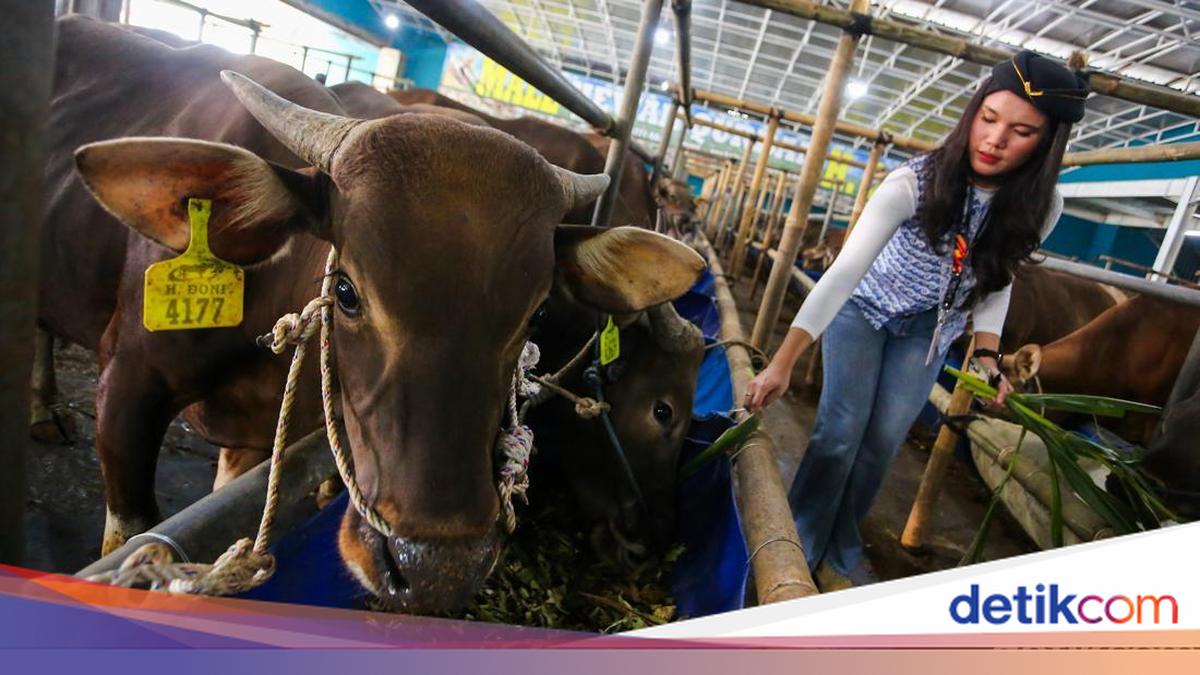
Head of the West Java Dinas Ketahanan Pangan dan Peternakan (Food Security and Livestock Service), Linda Al Amin, said cattle availability has also risen this year to 120,916 head. Last Eid al-Adha, cattle stock stood at 99,565 head. Meanwhile, this year’s goat stock is estimated at 61,578 head, slightly down from last year’s 63,319 head. For buffalo, 700 head are available, a sharp rise from last year’s 336 head. The higher supply this year is attributed to remaining unsold sacrificial stock from the previous year.”
“Linda said movement surveillance for sacrificial animals has been carried out since January 2026 through the iSIKHNAS application. Officials also check livestock documents such as the Livestock Health Certificate and veterinary certificate (SV). In addition, sacrificial animals are confirmed to have been vaccinated against foot-and-mouth disease.”
“‘At present, checks on sacrificial animals are still conducted through direct site visits to the stalls selling sacrificial animals and to farmers’ enclosures. By directly observing the health condition of the livestock, they are then given a health stamp as a sign that they have been inspected,’ Linda said in a written statement on Wednesday (20 May 2026).”
“Some of the animal diseases anticipated include foot-and-mouth disease, lumpy skin disease (LSD), worm infestation, and other animal diseases.”
“Subsequently, on the eve of Eid al-Adha, ante-mortem examinations will be conducted, including physical condition, age, and checks for signs of certain diseases such as nasal discharge, and other indicators.”
“After the livestock are slaughtered during Eid al-Adha, postmortem examinations will be conducted on the carcass, meat, and internal organs such as the liver, kidneys, spleen, and lungs.”