
Kura Kura Bali SEZ Management Hosts House Commission XII Oversight Visit
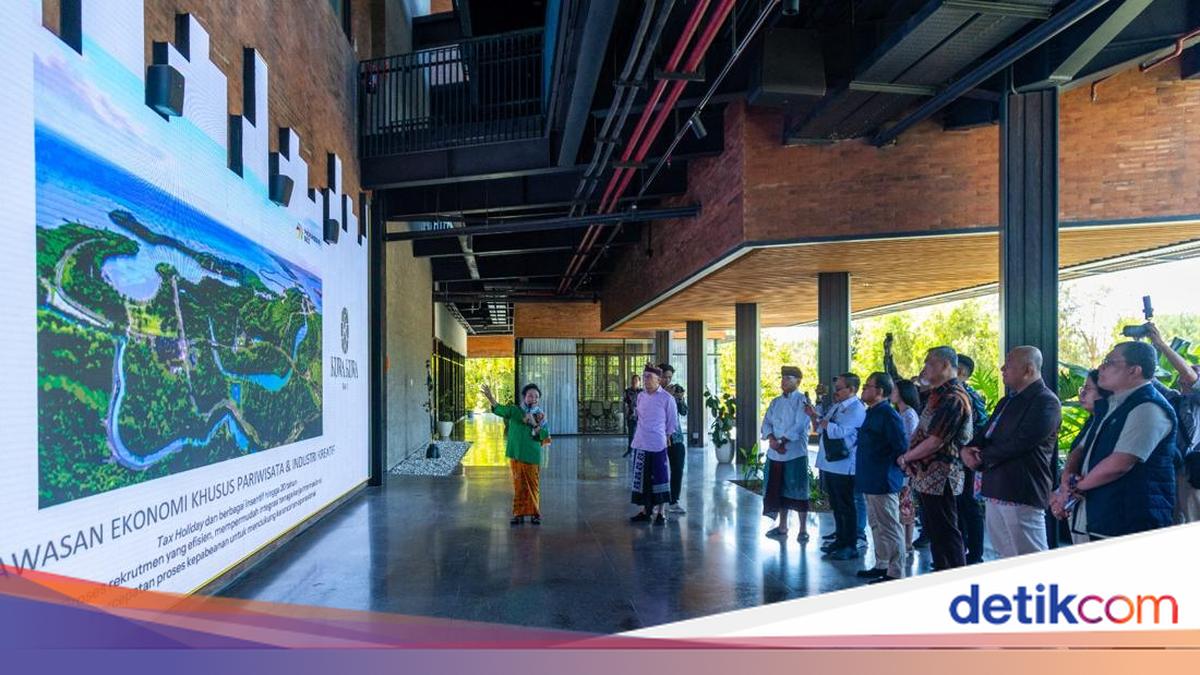
The management of the Kura Kura Bali Special Economic Zone (SEZ) received a recess working visit from House of Representatives (DPR) Commission XII on Thursday (23/7/2026). The visit was conducted as part of the commission’s oversight function regarding the energy and mineral resources (ESDM), environment, and investment sectors. Commission XII’s partner agencies also attended the visit, including representatives from the Ministry of Energy and Mineral Resources, the Ministry of Environment, and the Ministry of Investment and Downstreaming/Investment Coordinating Board (BKPM). The agenda was also attended by the Bali Environment and Forestry Service and the Bali Manpower and ESDM Service. The Commission XII DPR visit was received by PT Bali Turtle Island Development (BTID) President Director Tuti Hadiputranto. Tuti explained that the development of the Kura Kura Bali SEZ carries a grand vision of becoming a world-class integrated tourism destination without abandoning nature conservation and local cultural heritage. “Our vision is a manifestation of our commitment to this island and our shared future. We do not want to merely build conventional tourism, such as rows of hotels and beaches, but rather a resilient, sustainable, and high-quality integrated tourism ecosystem,” Tuti asserted. Tuti explained that the spatial planning concept of the Kura Kura Bali SEZ is built on a 6L foundation: living, learning, leisure, landscape, lifestyle, and longevity. Environmental commitment is demonstrated through various activities, such as the planting of 700,000 tree seedlings that now grow green within the Kura Kura Bali SEZ area, creating a healthy ecosystem for 160 recorded bird species. This commitment also extends to basic infrastructure, such as the use of hollow conblock (paving block) materials on roads to maximise water absorption, and the construction of seven retention lakes to collect rainwater, which is reused for irrigation within the area. Additionally, all electrical infrastructure with a capacity of 6.4 Megawatts (MW) and the 5G telecommunications network have been neatly arranged underground. The Head of the Commission XII DPR Working Visit Team, Sugeng Suparwoto, expressed admiration for the harmonious integration of environmental, cultural, creative economy, and sustainable investment aspects within a single development ecosystem at the Kura Kura Bali SEZ. “We see that the Kura Kura Bali SEZ is excellent, both in concept and execution. We have conducted research and heard the presentation; this is a destination with a new concept where a tourism area integrates natural beauty, art, and culture,” said Sugeng. Sugeng also provided an important note regarding electricity resilience on the Island of the Gods. He revealed that the current reserve margin in Bali is relatively minimal, requiring serious attention to align with the vision of environmentally friendly energy-based tourism. This is considering the high dependence on diesel power plants. Regarding the discourse on fulfilling power needs through infrastructure such as the Bali LNG Floating Storage Regasification Unit (FSRU) in the waters of Serangan Village, Sugeng stressed that every step to increase electricity reliability must be taken with extra caution and must prioritise local community aspirations. Besides observing environmental governance aspects and overseeing the energy transition, the visit also highlighted the investment aspect. The Deputy for Investment Implementation Control from the Ministry of Investment/BKPM, Edy Junaidi, explained the effectiveness of capital investment in the Kura Kura Bali SEZ. “Investment in the Kura Kura Bali SEZ is indeed being encouraged to become a pilot for what we call quality investment. As a note, from a land coverage of nearly 500 hectares, the labour absorption is projected to reach 5,000 people. This means the average absorption reaches 10 workers per hectare. This figure is far above the national average,” Edy explained. According to Edy, the quality of an investment is not only assessed by its nominal value but by the multiplier effect it generates for the surrounding ecosystem. The synergy and dialogue built through this visit serve as an important note for BTID in continuing the governance of the Kura Kura Bali SEZ. The series of field inspection activities by DPR RI Commission XII and all its partner agencies concluded with a direct visit to Sira Village-Grand Outlet Bali. The inspection of Bali’s first Village Outlet, which will soon operate on 31 July 2026, closed the agenda while showcasing the appeal of Kura Kura Bali as an integrated tourism destination and a competitive creative industry.