
KuPP Strengthens Cross-Institutional Synergy to Prevent Torture in Indonesia
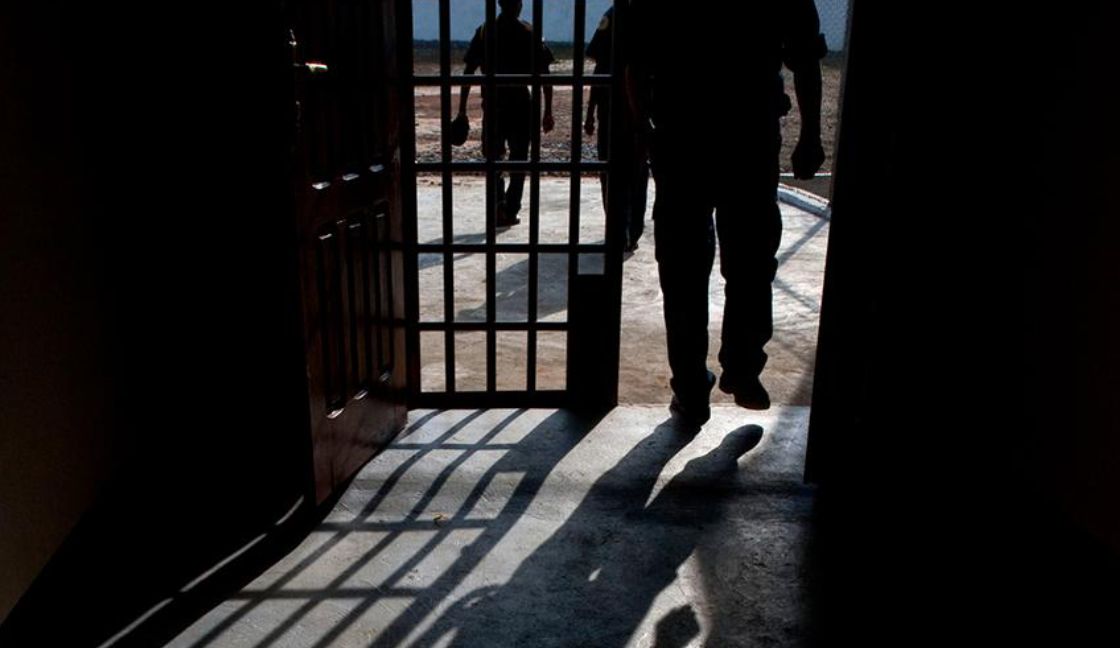
The Working Group for the Prevention of Torture (KuPP) is strengthening collaboration across ministries, institutions, and law enforcement officers through the signing of a Joint Commitment Against Torture. This step is part of efforts to reinforce human rights protection while preventing the practice of torture in various public service and law enforcement sectors.
Deputy Chairperson of the Indonesian Ombudsman, Rahmadi Indra, stated that the prevention of torture must be realised through a commitment that is not only normative but also integrated into policies, oversight mechanisms, and daily public service practices. According to him, as a state party to the Convention against Torture, Indonesia has a moral and legal responsibility to ensure that torture does not occur across all lines of public service and law enforcement.
"With the theme Voices and Commitments for an Indonesia Free from Torture, we affirm that efforts to prevent torture can only succeed if our voices and commitments are united, institutionalised in policy, and realised in the daily practices of state apparatus," Rahmadi said in Jakarta on Friday (26/6).
Rahmadi explained that the joint commitment includes strengthening regulations and oversight systems, increasing the capacity of state apparatus, developing effective complaint and monitoring mechanisms, and improving conditions in places of deprivation of liberty to make them safer, more humane, and free from all forms of torture. "We realise that the challenges on the ground are not light, but with strong synergy, coordination, and collaboration between institutions, accompanied by civil society participation and media support, we can build a public service culture that upholds human dignity and human rights principles," he said.
On the same occasion, KuPP, whose members include the Indonesian Ombudsman, the National Commission on Human Rights (Komnas HAM), the National Commission on Violence against Women (Komnas Perempuan), the Indonesian Child Protection Commission (KPAI), the Witness and Victim Protection Agency (LPSK), and the National Commission on Disability (KND), also presented the results of monitoring at six locations conducted on 17–18 June 2026.
The monitoring results showed a number of good practices, including the availability of health services, legal aid, fulfilment of basic needs, communication facilities with families, and the provision of guidance and rehabilitation programmes, as well as better protection for vulnerable groups such as women, children, persons with disabilities, and individuals with specific health conditions. Despite this, KuPP still found several aspects that need improvement. The institution recommended strengthening oversight facilities, improving the quality of the living environment and services, enhancing physical and mental health services, increasing human resource capacity, and refining internal regulations to strengthen human rights protection.
The signing of the Joint Commitment Against Torture also involved the Indonesian National Armed Forces, the National Police, the Attorney General’s Office, the National Narcotics Agency, several ministries, educational institutions, and health service facilities as a form of strengthening national collaboration in efforts to prevent torture in Indonesia.
Source: jawawa.id (https://jawawa.id/newsitem/kupp-strengthens-cross-institutional-synergy-to-prevent-torture-in-indonesia-1782485435)
Originally published by Media Indonesia (https://mediaindonesia.com/politik-dan-hukum/904786/kupp-perkuat-sinergi-lintas-lembaga-untuk-cegah-penyiksaan-di-indonesia), translated from Indonesian