
KuPP says OPCAT ratification will strengthen torture prevention
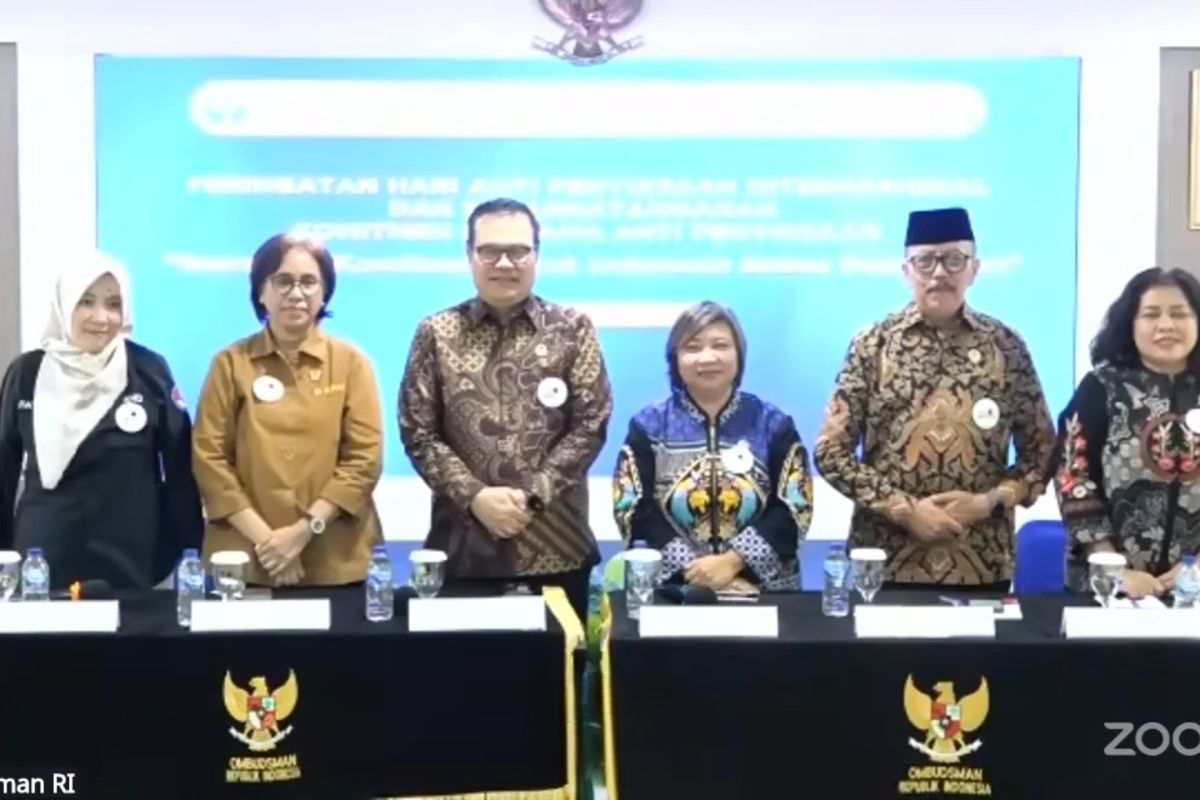
The Cooperation Working Group for the Prevention of Torture (KuPP) has stated that Indonesia needs to immediately ratify the Optional Protocol to the Convention Against Torture (OPCAT) to strengthen the national system for preventing torture. “Ratification of this protocol can strengthen human rights protection through the development of torture prevention mechanisms in line with international standards,” said Maneger Nasution, a member of the Indonesian Ombudsman, during an online commemoration of International Anti-Torture Day in Jakarta on Friday. He noted that Indonesia ratified the Convention Against Torture (CAT) through Law Number 5 of 1998. However, to date, Indonesia has not yet ratified the convention’s optional protocol, OPCAT. The Optional Protocol to the Convention Against Torture is an additional international agreement from the UN aimed at preventing torture in places of detention. The agreement establishes a system of regular visits by independent bodies to prisons, nursing homes, and other facilities. According to him, OPCAT ratification will strengthen the torture prevention mechanisms that various state institutions have been developing. “We want to encourage ministries, agencies, or the DPR to become initiators of OPCAT ratification,” Maneger said. He explained that KuPP was formed in 2016 as a collaboration of six state institutions: the National Commission on Human Rights, the National Commission on Violence Against Women, the Witness and Victim Protection Agency, the Indonesian Child Protection Commission, the Indonesian Ombudsman, and the National Commission on Disability. The collaboration focuses on preventing torture through monitoring places of detention, formulating policy recommendations, strengthening inter-agency coordination, and encouraging the establishment of an effective national torture prevention mechanism. Maneger said that while carrying out its monitoring function, KuPP still encounters a number of challenges, including the refusal of access to a team during a visit to a correctional facility in Cibinong. Nevertheless, he stressed that this does not diminish KuPP’s commitment to continue strengthening oversight and inter-agency collaboration. Meanwhile, Fatimah Asri Mutmainnah, a member of the National Commission on Disability, said that torture not only has the potential to cause a person to become disabled but can also occur when the basic rights of persons with disabilities, in the form of accessibility and reasonable accommodation, are not fulfilled. “For persons with disabilities, the failure to provide accessibility and reasonable accommodation can also give rise to a form of torture,” she said. Similarly, Sylvana Maria Apituley, a member of the Indonesian Child Protection Commission, assessed that the understanding of torture needs to be adapted to the development of various forms of violence occurring in society. According to her, a number of cases of violence against children, including bullying that causes severe impacts, can lead to practices of torture and thus require comprehensive handling. She added that fulfilling victims’ rights, such as the right to recovery, education, health, and identity, must proceed in tandem with the legal process so that protection for victims can be implemented optimally.