
Kue Putu Moulded with PVC Pipes: The Hidden Dangers
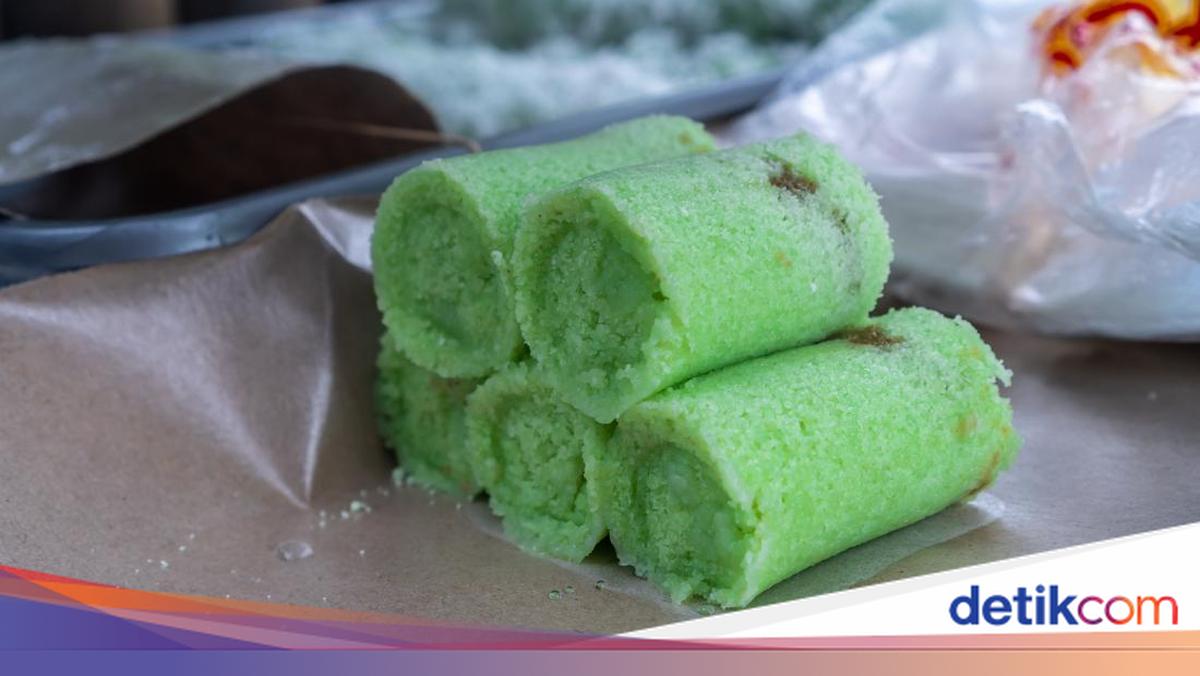
A number of kue putu vendors have been found using polyvinyl chloride (PVC) pipes, commonly known as paralon, as moulds in the production of the traditional cake. Professor Eko Hari Purnomo, an expert from the Faculty of Engineering and Technology at IPB University, has cautioned that PVC pipes are not recommended for use as moulds or steamers for kue putu. The phenomenon of vendors switching from bamboo stems to PVC pipes is considered extremely dangerous as it can trigger the migration of toxic plastic components into the food. “PVC pipes are fundamentally developed to channel materials in cold conditions, particularly the unplasticized PVC type which can only be used at temperatures below 50 degrees Celsius, so they are not designed for use at high temperatures,” he stated on Friday (26/6/2026). He explained that the process of making kue putu requires steaming with water vapour at a temperature of around 100 degrees Celsius so that the rice flour, as the main ingredient, undergoes a gelatinisation process at around 80 degrees Celsius. “This temperature can cause the migration of plastic components from the PVC pipe into the kue putu. PVC pipes are generally made from PVC plastic, especially the unplasticized PVC type which can only be used at temperatures below 50 degrees Celsius,” he said when asked for his response by the IPB today team. Such high-temperature conditions trigger the migration of additives such as stabilisers containing Pb (lead), which can cause kidney disorders. Additionally, there is a possibility of migration of the vinyl chloride monomer forming the PVC, which is carcinogenic or can trigger cancer. According to him, traditional bamboo moulds and steamers are a safe and more environmentally friendly alternative, provided the washing process is carried out properly. This also preserves the cultural value of traditional cuisine. “If using plastic moulds, one must choose a type that is safe for food at high temperatures,” he added.