
KSP Reviews SPPG in Malang, Urges Replication of Best Practices for Free Nutritious Meals Programme
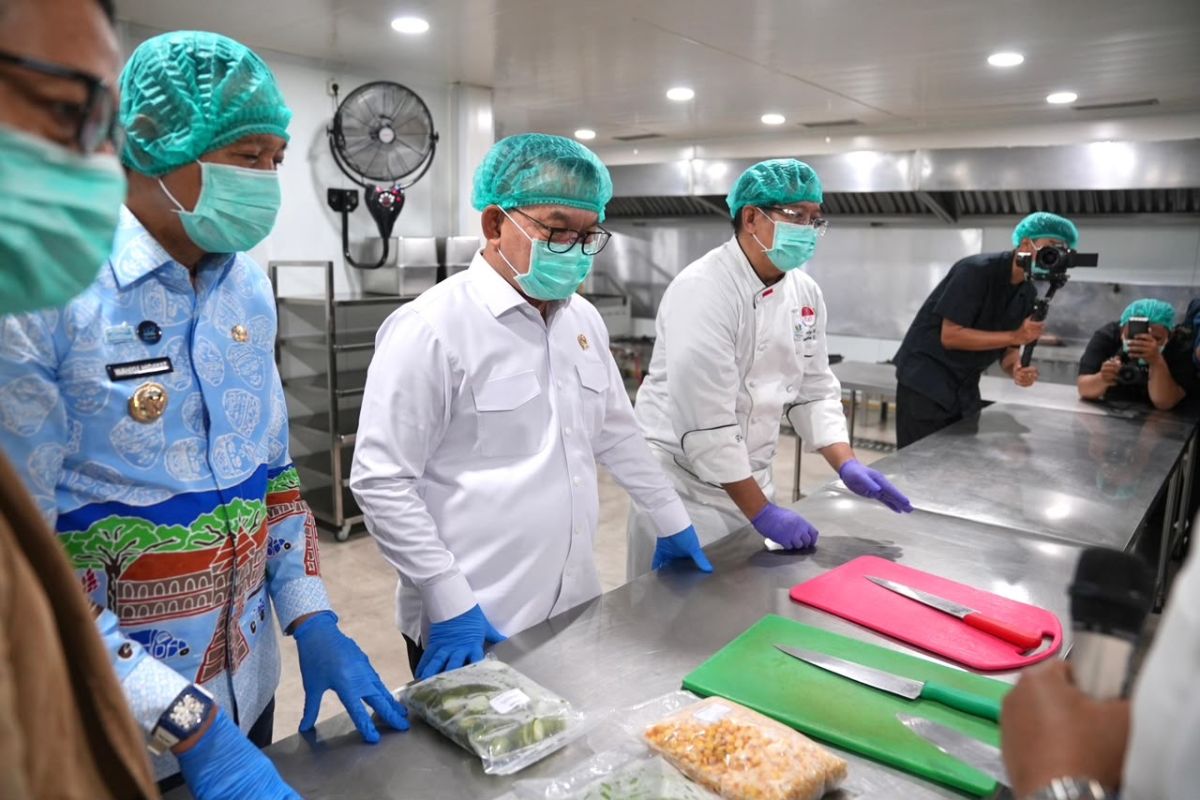
Chief of Presidential Staff Dudung Abdurachman, during a visit to the Preneur Nutritional Fulfilment Service Unit (SPPG) of the ProKids Foundation in Malang, East Java, on Friday, stressed that best practices in implementing the Free Nutritious Meals (MBG) programme must be replicated nationally. Dudung reaffirmed the government’s commitment to a comprehensive overhaul of the MBG programme, including refocusing beneficiaries for better targeting, improving service quality, and strengthening SPPG governance across Indonesia. “The success of the programme is not only measured by the quantity of services, but by the quality and tangible benefits received by the community, especially priority groups such as pregnant women, breastfeeding mothers, and toddlers,” he said. During the visit, accompanied by officials from the Presidential Staff Office (KSP), he assessed that the SPPG could serve as an example of best practice in implementing operational standards and governance for the MBG programme. He noted that such an SPPG demonstrates that compliance with standard operating procedures (SOP) is not merely an administrative aspect, but a crucial instrument in ensuring food safety, hygiene, and health protection for beneficiaries. “Best practices like this must be replicated nationally to strengthen public trust in the MBG programme,” Dudung stated. He also commended the significant strengthening of the integrated and sustainable supply chain aspect through partnerships with local farmers to ensure the availability of fresh raw materials. Additionally, Dudung highlighted the involvement of local MSMEs in providing materials and support services, as well as the development of hydroponic farming as part of food self-sufficiency innovation. This approach not only guarantees the quality of food ingredients but also delivers a direct economic impact to the surrounding community. The work of experienced chefs collaborating closely with nutritionists to consistently meet nutritional standards also drew his attention. Innovations developed include the processing of fermented plant-based proteins and the creation of menu items with flavours resembling meat (chicken and beef), while still considering children’s taste preferences. This approach serves as an innovative solution to maintain a balance between nutritional value, sustainability, and consumption acceptance by beneficiaries. On the occasion, Dudung also directly reviewed the information technology system used in SPPG operations, including real-time tracking of food distribution, supply chain supervision, and data-based nutritional fulfilment monitoring. The KSP will continue to provide oversight through monitoring, evaluation, and cross-ministerial/institutional coordination to ensure that all field obstacles are promptly addressed. The core principles affirmed are that the programme must run effectively and be well-targeted, governance must be transparent and accountable, implementation must be free from irregularities, and benefits must be genuinely felt by the community. Dudung also expressed appreciation to all managers, nutritionists, volunteers, and partners who have shown high dedication in implementing the programme. Going forward, the best practices demonstrated by the SPPG are expected to become a national model to strengthen the implementation of MBG as a foundation for human capital development towards the Golden Indonesia 2045 vision.