
KRL Expansion to Jakarta's Periphery Could Ease Congestion, But Risks Loom
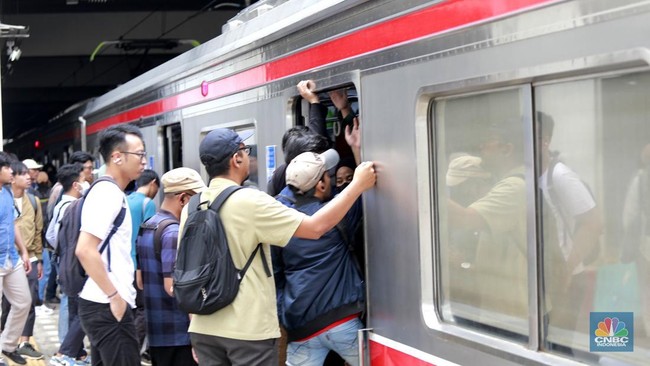
Plans to extend the KRL network with electrification as far as Sukabumi, Cikampek and even Merak are considered capable of delivering positive impacts for the metropolitan region. Expanding mass transport has the potential to reduce public dependence on private vehicles.
However, railway network development also brings new challenges for the connected cities. If not accompanied by regional planning, easier transport access could actually encourage the spread of settlements without new economic centres.
“This means we can reduce dependence on private vehicles. Right now, the toll roads are horrendously congested every morning. So if public transport is increased and extended further, it could actually become an opportunity to reduce dependence on vehicles,” said Adriadi Dimastanto, Chairman of the Indonesian Association of Urban and Regional Planners (IAP), to CNBC Indonesia on Friday (21/8/2026).
Mass transport can also broaden people’s choices in determining where to live. Jakarta workers could live further from the city centre without having to rely entirely on private vehicles.
The problem is that transport connectivity must go hand in hand with urban development. Areas that serve only as residential zones risk repeating the problems currently occurring in Bodetabek.
“Yes, it could become a housing solution for Jakarta workers. But the risk is that if these second cities are not properly prepared, they will grow sporadically later on,” he said.
Therefore, the development of second cities requires strengthening economic functions and public services. These cities must be able to meet residents’ needs so that not all activities remain directed towards Jakarta.
Metropolitan area institutions are also an important factor in managing inter-city relations. Without coordination, transport development could outpace the readiness of spatial planning and infrastructure in destination areas.
“The Jakarta Agglomeration Council is currently being developed, a more agile institution for metropolitan and megapolitan affairs. The hope is that it can become a solution, especially for budgeting in this metropolitan area,” said Dimas.
Previously, Chief Operating Officer of the Daya Anagata Nusantara Investment Management Agency (BPI Danantara), Dony Oskaria, said that the electrification or expansion of the KRL network is being carried out as part of efforts to encourage the development of new cities and strengthen the national railway industry.
“In the railway sector, I have asked KAI to carry out electrification in five cities this year,” said Dony at the CNBC Economic Outlook event on Tuesday (10/2/2026).
The electrification includes several strategic routes, namely Jakarta to Cikampek (Cikarang-Karawang-Cikampek), Jakarta to Sukabumi (Bogor-Sukabumi), and improvements to signalling and infrastructure on the Tanah Abang-Rangkasbitung line.
Source: jawawa.id (https://jawawa.id/newsitem/krl-expansion-to-jakartas-periphery-could-ease-congestion-but-risks-loom-1787305932)
Originally published by CNBC Indonesia (https://www.cnbcindonesia.com/news/20260821152142-4-761346/krl-tembus-tembus-pinggiran-jakarta-bikin-macet-hilang-tapi-awas-ini), translated from Indonesian