
KPPU North Sumatra: Dependence on Single Service Provider Suspected of Triggering Fuel Crisis
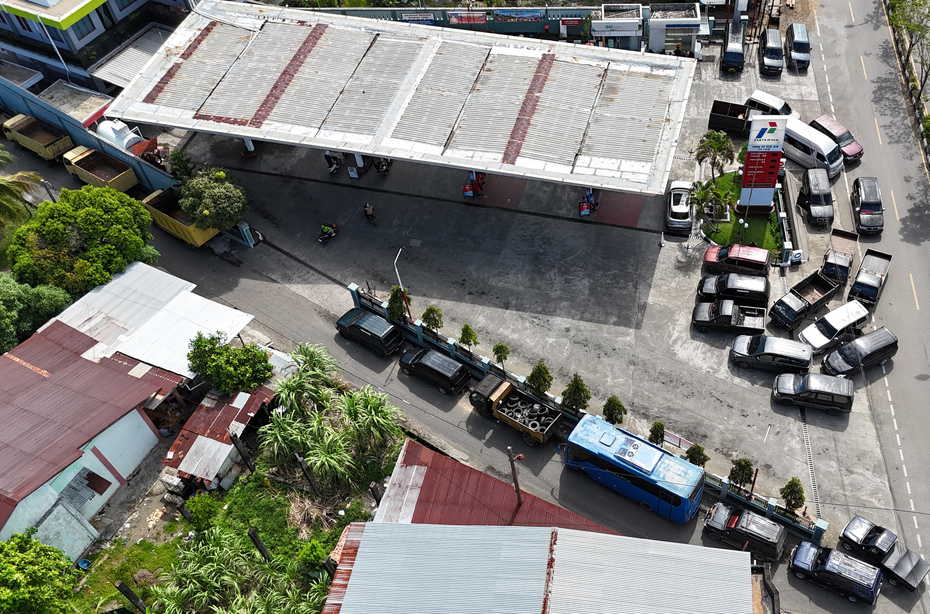
The Competition Supervisory Commission (KPPU) Regional Office I has assessed that dependence on a single transport service provider was one of the causes of the fuel crisis in North Sumatra. This was conveyed based on the results of a Hearing Meeting with Commission B of the North Sumatra Provincial DPRD in Medan on Thursday (16/7).
Head of KPPU Regional Office I, Ridho Pamungkas, stated that the fuel crisis occurring in recent days in North Sumatra was not caused by limited stock, but rather by disruption to the distribution process from the terminal to public fuel filling stations (SPBU).
“KPPU sees that the main issue in this event is not solely a matter of fuel availability, but how the distribution system can continue to function when operational disruptions occur in the logistics chain,” he explained after attending the meeting.
According to Ridho, the use of a single transport service provider does offer a number of benefits, such as operational efficiency, ease of coordination, and service standardisation. However, he stressed that high dependence on a single service provider also increases the risk of distribution disruption if that provider experiences operational constraints.
KPPU considers fuel distribution to be a highly strategic part of public service. Therefore, the distribution system should not only prioritise efficiency but also needs to have supply chain resilience to continue serving the public under various conditions.
The meeting, chaired by Commission B Chair Sorta Ertaty Siahaan, was also attended by Deputy Speaker Salman Alfarisi and various related parties, including representatives from PT Pertamina Patra Niaga Sumbagut Region, Hiswana Migas North Sumatra, and the North Sumatra Energy and Mineral Resources Agency.
KPPU also appreciated the swift action taken by PT Pertamina Patra Niaga, together with the North Sumatra Provincial Government, the Indonesian National Armed Forces, and the Indonesian National Police, in restoring fuel distribution conditions. Nevertheless, Ridho emphasised that this must become a momentum to evaluate the overall governance of fuel distribution.
As a policy recommendation, KPPU is pushing for an evaluation of the governance of fuel transport service provision. This includes strengthening the Business Continuity Plan (BCP) and Contingency Plan, improving risk management, and establishing a mechanism for periodic evaluation of service providers.
KPPU also stressed the importance of fast, accurate, and transparent public communication during the distribution normalisation period to prevent panic buying, which can worsen supply conditions at filling stations.
Ridho confirmed that, based on currently available information, there is insufficient indication to conclude a violation of Law Number 5 of 1999 concerning the Prohibition of Monopolistic Practices and Unfair Business Competition. However, he assessed that this situation makes it important to evaluate the balance between operational efficiency, supply chain resilience, and the principles of fair business competition in the future.