
KPPU Investigates Cause of Chicken Price Surge in North Sumatra
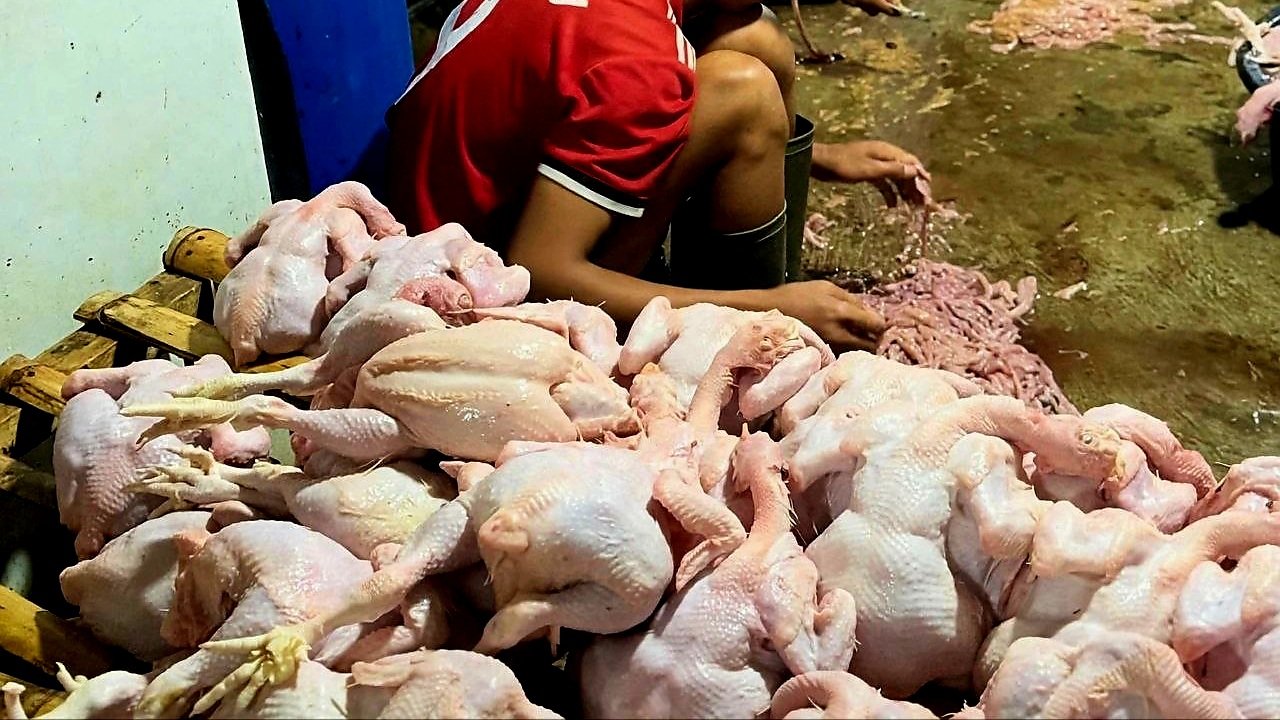
The Competition Supervisory Commission (KPPU) Regional Office I is investigating the cause behind the surge in chicken meat prices in North Sumatra. They will scrutinise the entire distribution chain to uncover alleged anti-competitive practices that manipulate prices at the consumer level. This step was taken in response to the sharp rise in the price of this food commodity that has occurred recently.
KPPU Regional Office I recorded that the price of fresh broiler chicken in North Sumatra soared by 7.9% in just four days. On 17 August 2026, the price was still around Rp48,550 per kilogram, but it had risen to Rp52,400 per kilogram by 21 August 2026. This increase was recorded as the highest compared to other provinces in the entire working area of Regional Office I, which covers Aceh, North Sumatra, West Sumatra, Riau, and the Riau Islands.
Head of KPPU Regional Office I Ridho Pamungkas stated that his office will examine price formation from upstream to downstream. The positions of large-scale farmers, chicken slaughterhouses, distributors, and retail traders will be strictly inspected.
“This step is taken to determine whether the price surge is purely driven by rising feed costs and demand spikes or by the actions of speculators,” he said on Wednesday (26/8).
Historically, he explained, the broiler chicken commodity in North Sumatra is prone to collusion. Supply regulation practices and price-setting at the integration level are often loopholes that KPPU has acted against. Therefore, the sudden surge in mid-August has drawn KPPU’s attention. The focus of KPPU’s examination this time is also on the absorption of chicken supply for the Free Nutritious Meals (MBG) programme.
The integration of this national-scale programme is feared to alter the normal distribution map if not managed transparently. According to Ridho, the increase in demand due to the MBG programme does not in principle violate competition rules.
However, this situation is vulnerable to being exploited by certain parties, particularly to restrict supply to regular markets or hinder access for independent business actors. Ridho emphasised that his office will not hesitate to elevate the monitoring status to an investigation stage if indications of a cartel or deliberate stock withholding are found. The results of unannounced inspections and field monitoring will be the main basis for determining subsequent enforcement steps.
“We want to ensure that this price increase is formed fairly based on supply-demand conditions and distribution costs,” he concluded.