
KPPPA develops targeted education strategy to prevent student exposure to online radicalisation
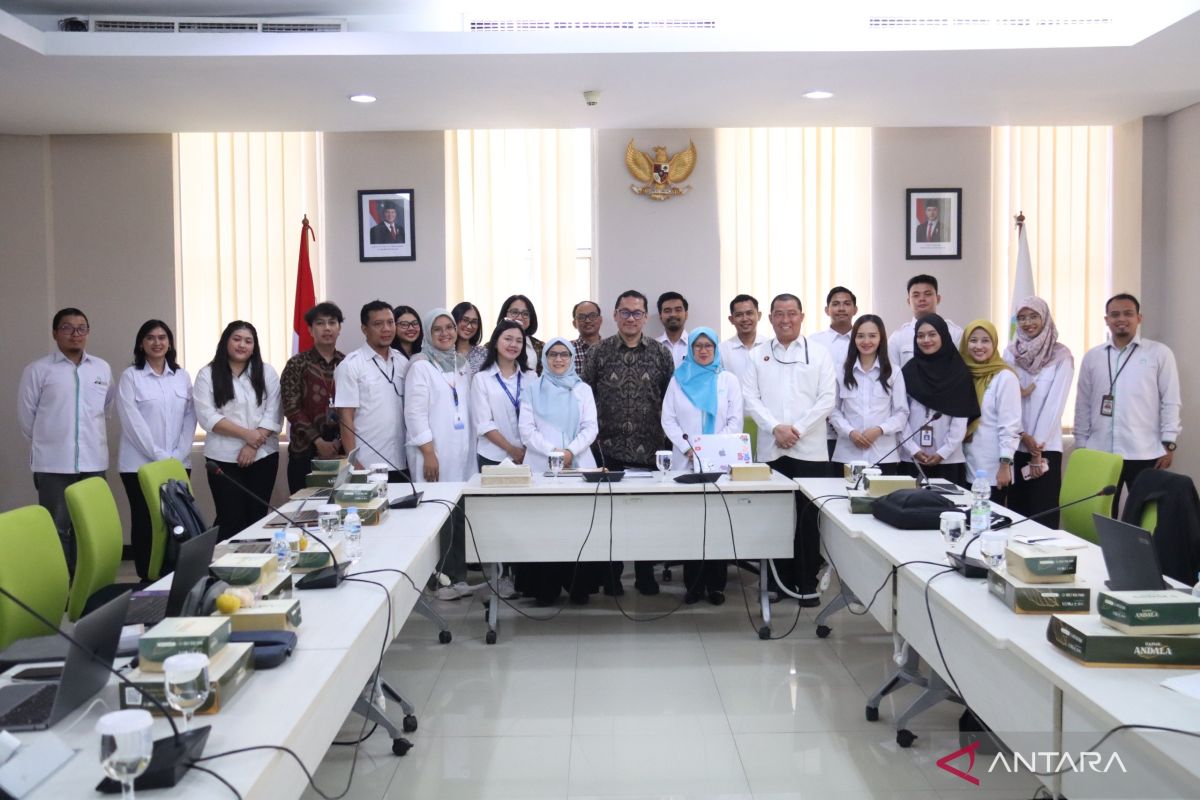
The Ministry of Women’s Empowerment and Child Protection (KPPPA) is developing a targeted education strategy following reports of approximately 112 students across 26 provinces being exposed to radical ideologies via social media and online gaming platforms. ‘Child protection in the digital space cannot be addressed in isolation and requires robust preventive strategies through targeted education. We are refining educational materials to help children recognise radical content more effectively,’ said Titi Eko Rahayu, Deputy for Special Child Protection at KPPPA, in Jakarta on Wednesday, 27 May. This is evident from the massive spread of radical ideologies in digital spaces, including social media platforms, online games with private chat features, and other digital platforms. Data from the National Counter-Terrorism Agency (BNPT) shows approximately 112 students across 26 Indonesian provinces have been exposed to radical ideologies via social media and online games, with an average age of 13. ‘Radicalism, violent extremism, and intolerance propaganda in digital spaces pose a serious threat to children,’ she said. ‘Radical content enters through emotional appeals, exclusive closed digital communities, and the exploitation of social media algorithms that increase children’s exposure,’ Titi added. ‘Social media, video platforms, online games, and messaging apps are making children increasingly vulnerable to hate speech, violence incitement, and radical ideologies,’ Titi Eko Rahayu said. KPPPA regularly conducts education through awareness campaigns, advocacy, and early detection training for parents, teachers, and children on radical ideologies, but wider dissemination is still needed. ‘Children are now deeply immersed in digital spaces. Therefore, protection approaches must evolve alongside their online interaction patterns,’ Titi Eko Rahayu said.