
KPPPA: Care Economy is Integral to Human and Economic Development
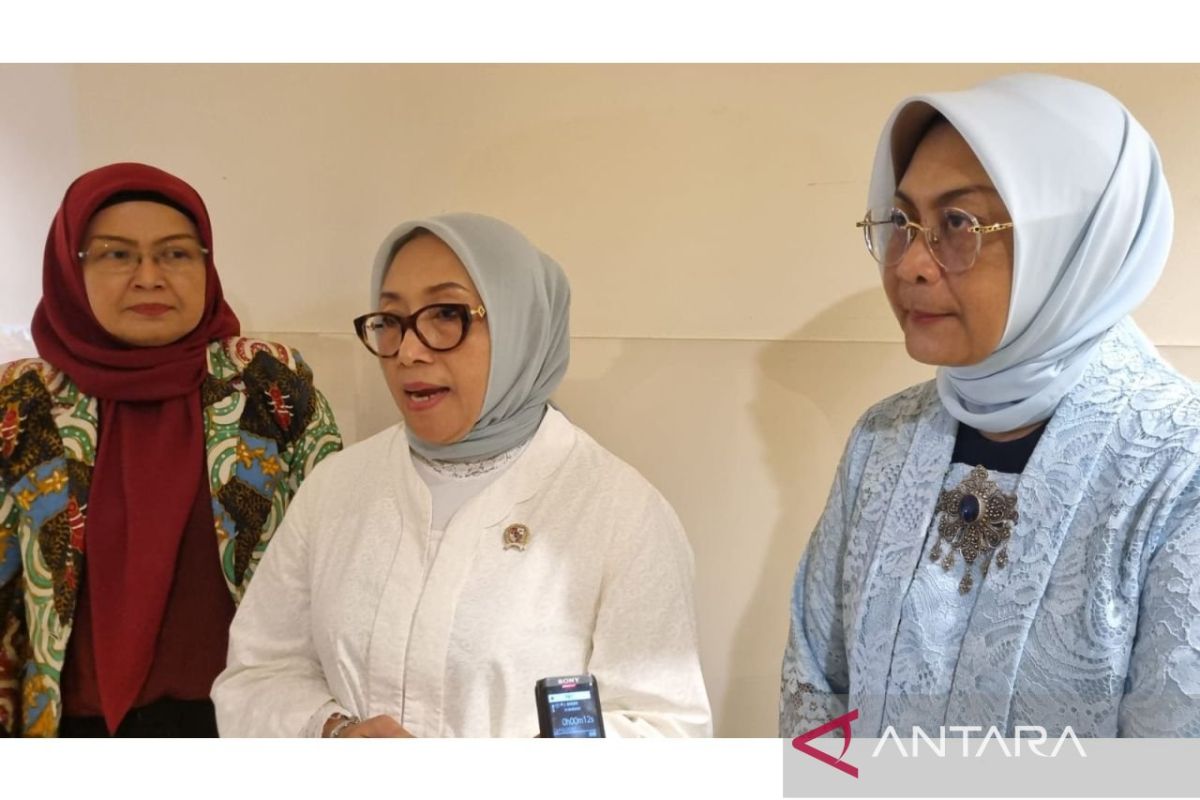
The Minister for Women’s Empowerment and Child Protection, Arifah Fauzi, stated that the care economy is an inseparable part of human development, family resilience, and economic growth.
“The care economy can no longer be viewed solely as a domestic matter or an issue solely related to women. Beyond that, the care economy is an integral part of human development, family resilience, and also economic development,” said Minister Arifah Fauzi during the “Update of the Indonesia Care Economy Roadmap 2026” event in Jakarta on Tuesday.
She noted that every day, millions of people perform various forms of care work, ranging from childcare and elderly care to assisting persons with disabilities, caring for sick family members, and ensuring daily family needs are met.
“These tasks may often go unseen, but they play a very real role in maintaining the continuity of family and community life. In fact, economic activity cannot function optimally without the presence of care work,” said Arifah Fauzi.
Nevertheless, to this day, care work is still frequently regarded as a domestic responsibility that occurs naturally, as if it requires no time, effort, skill, or resources.
“This perspective makes the contribution of care work less visible and less appreciated. In reality, when a caregiver prepares family needs, accompanies family members requiring attention, or ensures a household runs smoothly, they are providing the contribution that enables other family members to learn, work, create, and participate in social and economic life,” said Minister Arifah Fauzi.