
KPK's Response: Baleg Leadership Agrees to Re-examine Cash Restriction Bill
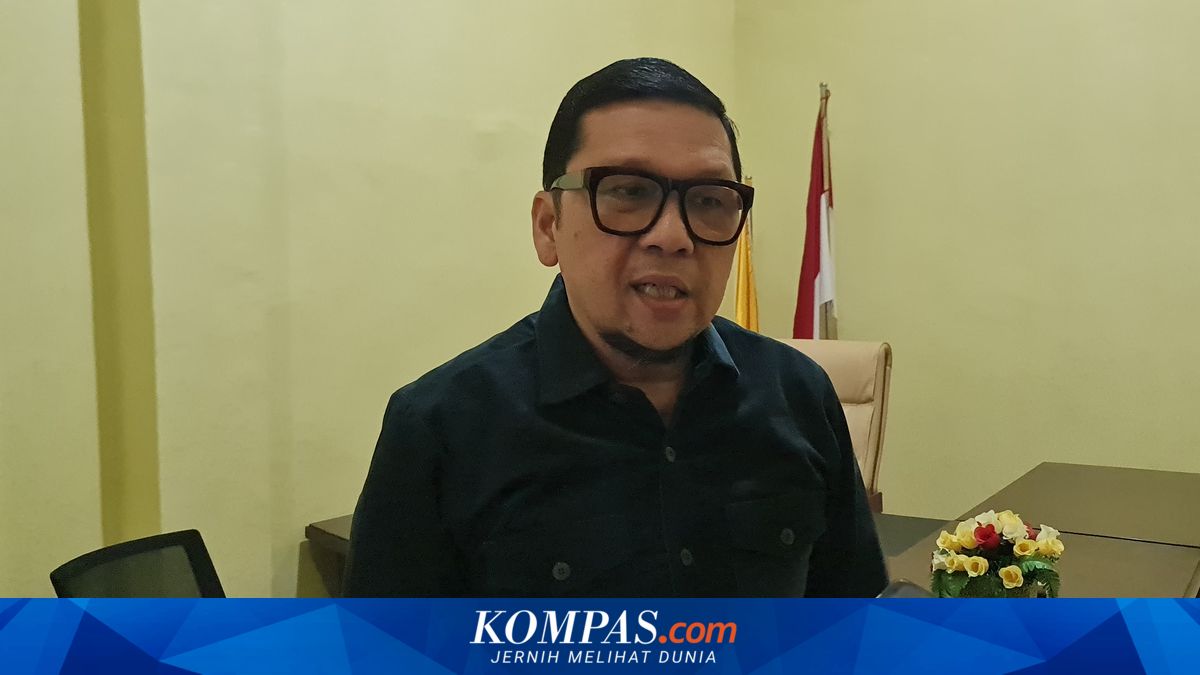
Jakarta - Deputy Chairman of the House of Representatives’ Legislation Body (Baleg) DPR RI, Ahmad Doli Kurnia, has expressed agreement to re-examine the Cash Restriction Bill (RUU Pembatasan Uang Kartal), as a follow-up to recommendations from the Corruption Eradication Commission (KPK). Doli views cash transaction limits as crucial to promoting clean elections free from money politics practices. “In that regard, I agree with the KPK’s proposal for Indonesia to have a Cash Restriction Law. Perhaps it is time for the government and DPR to revisit the study and discussion,” Doli told Kompas.com on Wednesday (29/4/2026). Meanwhile, a clean and authoritative government must begin with an election process free from transactional practices. “We all certainly want a clean and authoritative government. That can only be realised if it starts with a clean election, free from political transactions, money politics, vote buying, and the like,” he said. Furthermore, Doli highlighted the importance of digital transformation in various aspects of life, including the financial and political sectors. Therefore, Doli believes Indonesia needs to start habituating non-cash or paperless transaction systems to enhance transparency and accountability. “In the future, we all must get used to a paperless culture. Everything electronic, everything digital, which strengthens transparency, accountability, and freedom from abuse of authority in all aspects of life, including politics,” he said. Previously reported, the KPK is pushing for regulations governing cash or kartal usage limits during election stages. KPK Spokesperson Budi Prasetyo stated that such rules are necessary because cash usage in the election process remains highly dominant. “This condition is seen to increase the opportunities for vote buying or money politics, which has long been a classic problem in electoral democracy,” Budi said in Jakarta on Saturday (25/4/2026). According to him, this view is the result of a corruption prevention study involving four groups of resource persons: representatives of political parties, election organisers, electoral experts or observers, and academics.