
KPK Urged to Optimise Supervisory Function in Handling Febrie Adriansyah Case
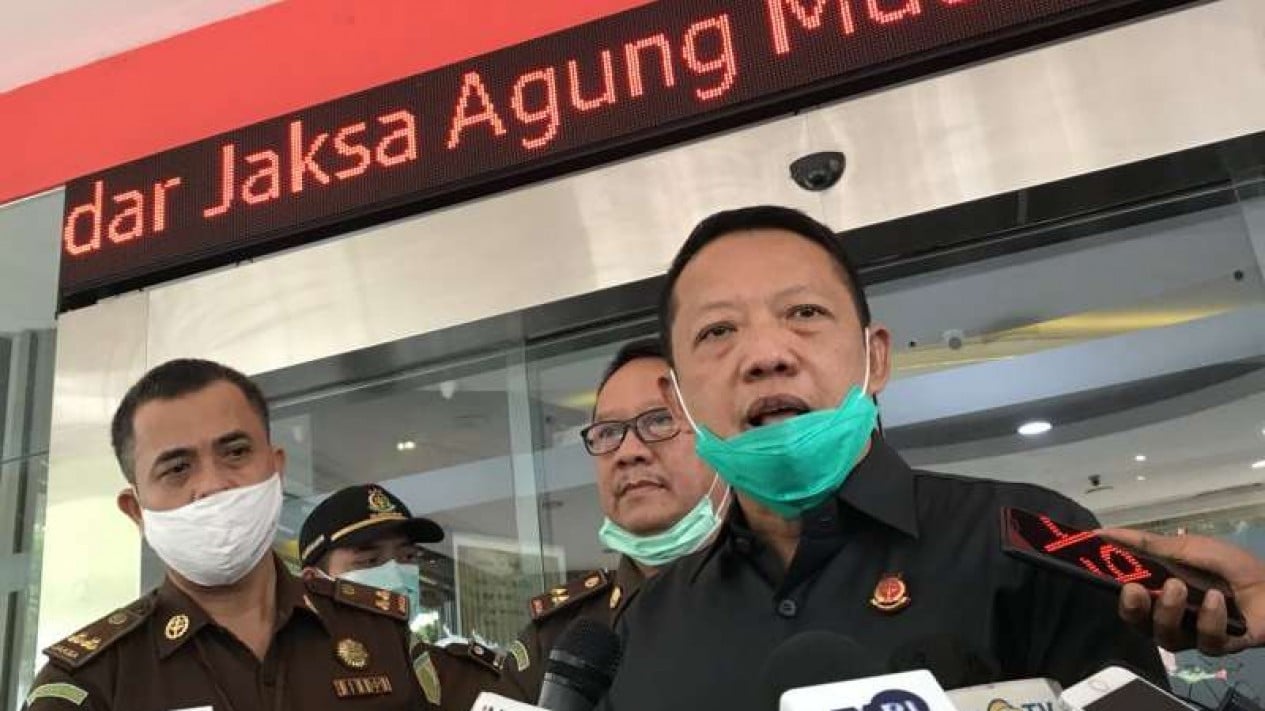
Jakarta, VIVA – The Corruption Eradication Commission (KPK) has been asked to optimise its supervisory function in handling the corruption and money laundering (TPPU) case implicating former Deputy Attorney General for Special Crimes (Jampidsus), Febrie Adriansyah.
According to the Jaksa Watch Institute, the handling of the case, which has now entered the investigation stage, is regarded as an important moment for safeguarding independence, objectivity and public trust in the law enforcement process.
Khalid Akbar, National Coordinator of the Jaksa Watch Institute, said the KPK holds the authority to carry out a supervisory function as stipulated in Law Number 19 of 2019, the second amendment to Law Number 30 of 2002 concerning the KPK. He said that if, in the course of supervision, conditions arise as provided for in the prevailing legislation, the use of its authority to take over the investigation could be considered in accordance with the applicable mechanism.
“This case must not stop at just two suspects. The integrity of law enforcement will be measured by the courage to uncover the entire chain of the case based on evidence. There must be no room for impunity, no conflict of interest, and no one above the law if the evidence points to their involvement,” he told journalists on Monday, 13 July 2026.
His organisation also urged investigators to examine the various pieces of information circulating in the public sphere, including material published by the Civil Society Coalition against Corruption. According to him, all such information must be verified through a professional investigation process and on the basis of lawful evidence.
Furthermore, they believe the investigation could be expanded comprehensively, including tracing the flow of funds, ownership of assets, transaction relationships, and any parties allegedly connected to the case, provided sufficient evidence supports it.
Nevertheless, they stressed that their statement is not intended to pre-empt the legal process or conclude the involvement of any particular party. The group described its stance as part of public participation in safeguarding the fight against corruption, so that it proceeds in line with the principles of equality before the law, due process, independence, transparency and accountability.
“Public trust is not built through narrative, but through the courage to enforce the law consistently. If all the facts are revealed in full based on evidence, without discrimination and without conflict of interest, this case could become an important milestone in strengthening the rule of law and the eradication of corruption in Indonesia,” he said.