
KPK: Singapore High Court Rejects Paulus Tannos' Application
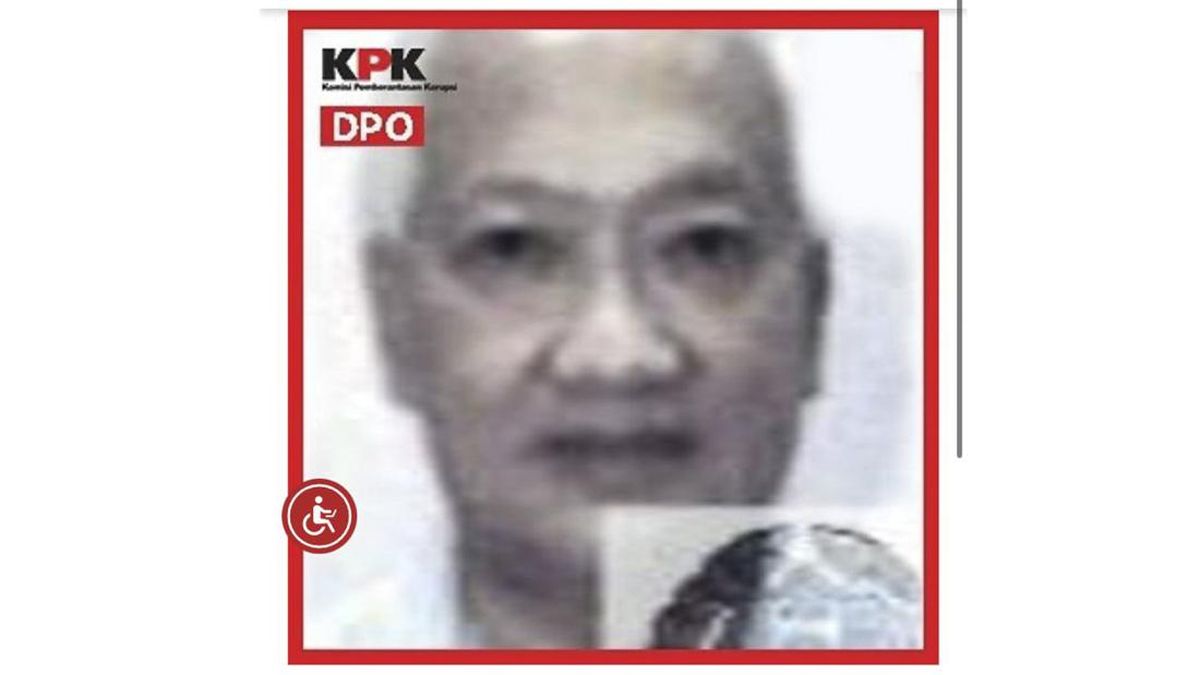
The Corruption Eradability Commission (KPK) has stated that the Singapore High Court has rejected an application filed by Paulus Tannos, a suspect and fugitive in the alleged corruption case involving the procurement of electronic identity cards (e-KTP). The KPK has welcomed the decision.
“The KPK welcomes the positive decision of the Singapore High Court in rejecting the application by suspect Paulus Tannos,” said KPK Spokesperson Budi Prasetyo in a written statement on Friday (5/6).
Budi stated that the ruling represents an important development in cross-jurisdictional law enforcement efforts and further paves the way for the acceleration of the ongoing extradition process. With this decision, the KPK hopes that the extradition process for Paulus Tannos can be completed promptly so that the individual can be brought to Indonesia to face legal proceedings regarding the case being handled by the KPK.
Budi continued that Paulus Tannos has been a suspect on the Most Wanted List (DPO), and his presence abroad has presented a particular challenge to the law enforcement process. The KPK reaffirmed its commitment to resolving this case professionally, transparently, and in accordance with applicable legal provisions.
He added that the presence of Paulus Tannos in Indonesia would be vital to ensuring that the judicial process can proceed effectively and provide legal certainty for all parties. To oversee this process, the KPK continues to coordinate intensively with the Ministry of Law, relevant law enforcement agencies, and other stakeholders, both domestically and abroad. Synergy between authorities is considered a crucial factor in ensuring the extradition process runs smoothly, effectively, and according to legal mechanisms.
“The KPK also expresses its appreciation to all parties who have supported the handling of this case,” said Budi. “The KPK is optimistic that good cooperation between the authorities of both countries will further strengthen the effectiveness of corruption eradication, including efforts to bring perpetrators of corruption crimes who have fled abroad to account for their actions before the law.”
The next stage is a committal hearing scheduled for August 2026, with an agenda for final submissions from each party, namely the Indonesian Government represented by the Attorney General’s Chambers (AGC) and the legal counsel for Paulus Tannos. An extradition decision may be handed down shortly thereafter, depending on the dynamics of the trial. Under the Extradition Act, the subject of extradition may file legal appeals against an extradition decision.
In addition to Singapore, Paulus Tannos has also attempted legal resistance in Indonesia. He has reportedly filed two pre-trial motions at the South Jakarta District Court. However, the single judge of the South Jakarta District Court ruled that the application could not be accepted.
Paulus Tannos was arrested by Singaporean authorities based on a provisional arrest, rather than by Indonesian law enforcement (KPK) under the procedures regulated by the Criminal Procedure Code (KUHAP). Consequently, the arrest contested by the Applicant does not fall within the scope of the object of a pre-trial motion as regulated by Article 77 of the KUHAP in conjunction with the Supreme Court of the Republic of Indonesia Regulation Number 4 of 2016.
“Therefore, the pre-trial motion in question is error in objecto and is premature to be filed at the South Jakarta District Court,” the judge stated on Tuesday, 2 December 2025.
Paulus Tannos remains a fugitive on the Most Wanted List. According to Supreme Court Circular (SEMA) Number 1 of 2018, individuals declared fugitives are prohibited from filing pre-trial motions. If a pre-trial motion is still filed through family or legal counsel, the judge will issue a ruling stating that the pre-trial motion is inadmissible.