
KPK probes assets of suspects in Depok land dispute case after questioning four judges
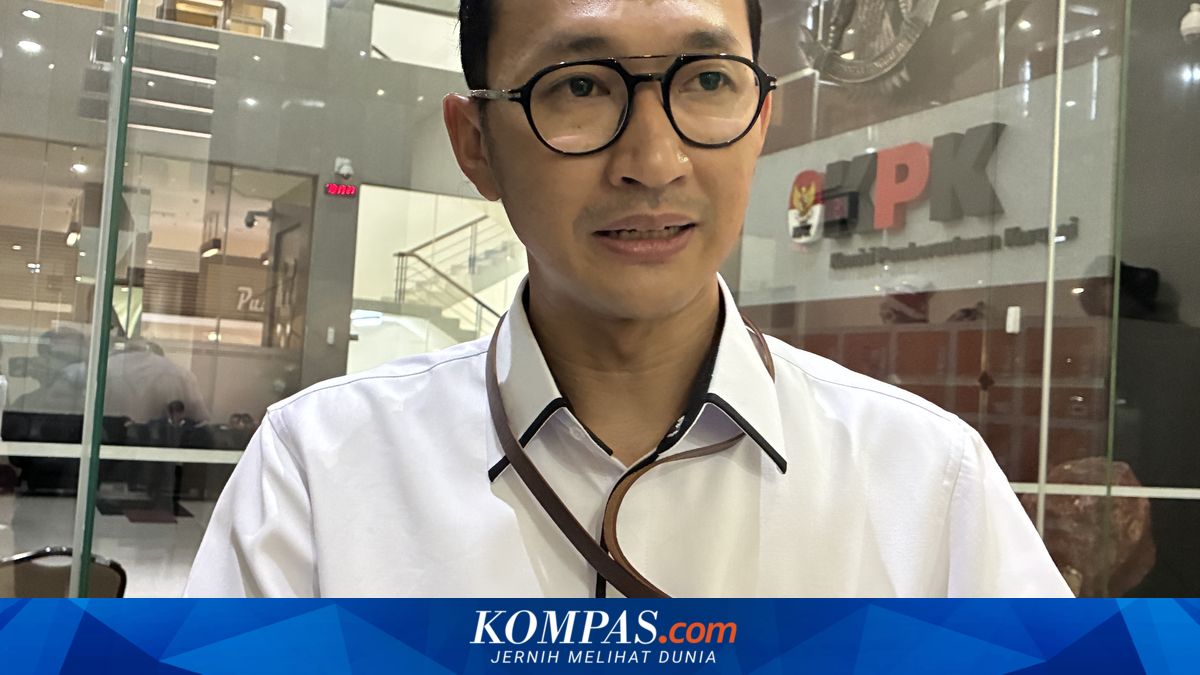
JAKARTA, KOMPAS.com - The Corruption Eradication Commission (KPK) is investigating the assets of suspects in a case involving alleged bribery in the execution of a land dispute at Depok District Court. The material was probed during the questioning of witness Judge Evri Dayanti on Tuesday (26 May 2026). “Witness 4 (Evri Dayanti) was questioned regarding the suspects’ assets,” said KPK spokesperson Budi Prasetyo in his statement on Tuesday. Budi added that investigators also probed the testimony of Ultry Meiliyeni, a judge, concerning the review process of PT Karabha Digdaya’s land execution application. Meanwhile, Judge Dwi Elyarahma requested a postponement of the questioning due to other commitments. Previously, the KPK summoned four judges as witnesses in the alleged bribery case over land execution disputes at Depok District Court on Tuesday (26 May 2026). The four witnesses are Dwi Elyarahma, Ultry Meiliyeni, Erlinawati, and Evri Dayanti. “Today’s witness examinations were all conducted with judges at the KPK’s Red and White Building,” said spokesperson Budi Prasetyo in his statement on Tuesday. According to gathered information, Judge Ultry Meiliyeni arrived at the KPK building at 9:39 am WIB. They are the Depok District Court Chief Judge I Wayan Eka Mariarta (EKA); Deputy Chief Judge Bambang Setyawan (BBG); Depok District Court bailiff Yohansyah Maruanaya (YOH). Then, PT Karabha Digdaya Managing Director Trisnadi (TRI) and Head of Corporate Legal Berliana Tri Kusuma (BER) on Friday (6 February 2026). The case began in 2023 when Depok District Court granted PT Karabha Digdaya’s lawsuit, a state-owned enterprise under the Ministry of Finance, in a 6,500 square metre land dispute in Tapos Subdistrict, Depok City, West Java. The ruling was later upheld through appeals and cassation.