
KPK Maps Gratification Hotspots, Urges Immigration and Corrections Ministry to Tighten Rules
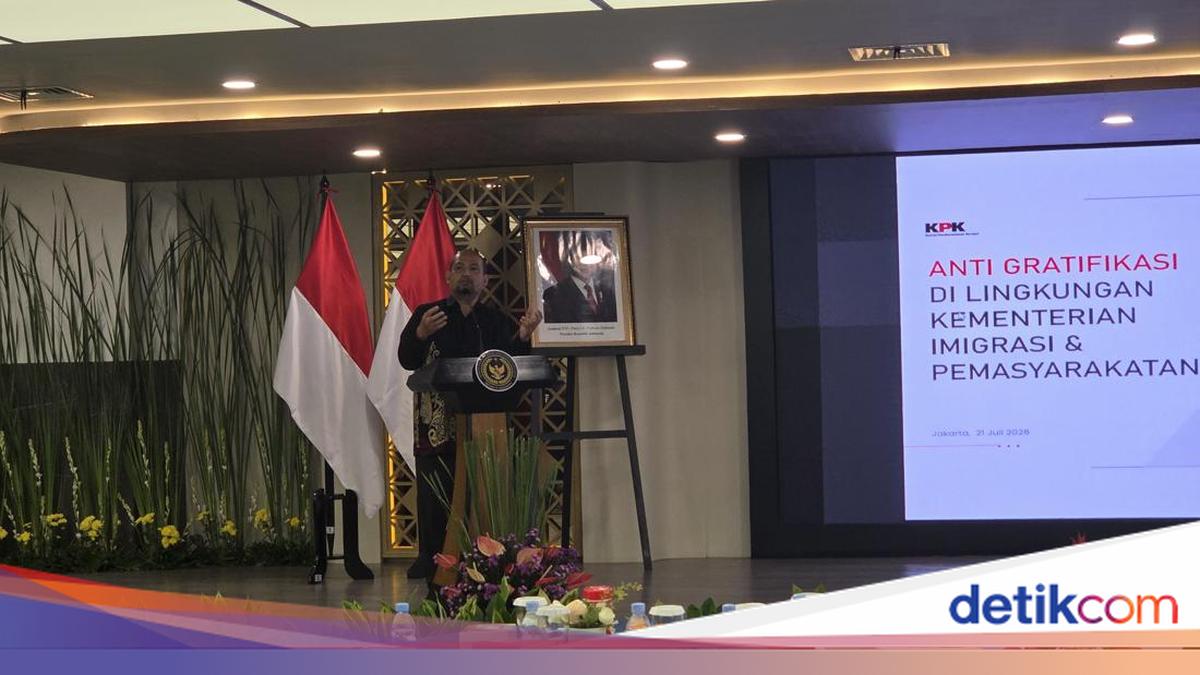
The KPK has identified a number of gratification hotspots within the Ministry of Immigration and Corrections (Imipas). These vulnerable points range from passport issuance, foreign national (WNA) residency permits, to cooperation agreements with vendors.
This was conveyed by KPK Director of Gratification and Public Services Arif Waluyo during a socialization event on Gratification Control within the Ministry of Imipas in South Jakarta, Tuesday (21/7/2026). He urged Imipas officials to recognize the risks and avoid gratification.
“Yes, there are many vulnerable points when issuing passports, then foreign national residency permits, visa approvals, and others. There are many,” he said.
He stated that inspections of residency permit violations, administrative actions, and the settlement of violation cases are also vulnerable points. Furthermore, correctional services, such as inmate placement, granting of rights to inmates, and visitation permits, are also considered prone to gratification.
“Then this is also the next most important point, regarding the procurement of goods and services. This can occur during brand selection, the selection of a particular vendor, and the selection process. At that time, the expectation is for it to be transparent, fair, and open,” he said.
He noted that gratification can occur during recruitment, mutations, rotations, or during employee performance assessments. He said these various gratification hotspots must be avoided.
“So, maintain integrity, understand the rules and boundaries, get accustomed to refusing from the start, maintain professionalism, and if forced, report it,” he said.
Arif requested that the Ministry of Imipas create risk mitigation strategies. He said strict internal rules can prevent gratification practices.
“So, tighten them further. The purpose of creating internal rules is for tightening, not loosening. So, tightening to mitigate the risks that occur. The principle is that there are four filters to determine whether something is gratification or not. Just open these four things: the Anti-Corruption Law is filtered, then filter again through KPK Regulation Number 1 of 2026, Minister of Finance Regulation, Minister of State Apparatus Empowerment and Bureaucratic Reform Regulation, then internal rules. That is the way to fend off whether that item is gratification or not,” he said.