
KPK maintains authority to conduct corruption prevention studies on political parties
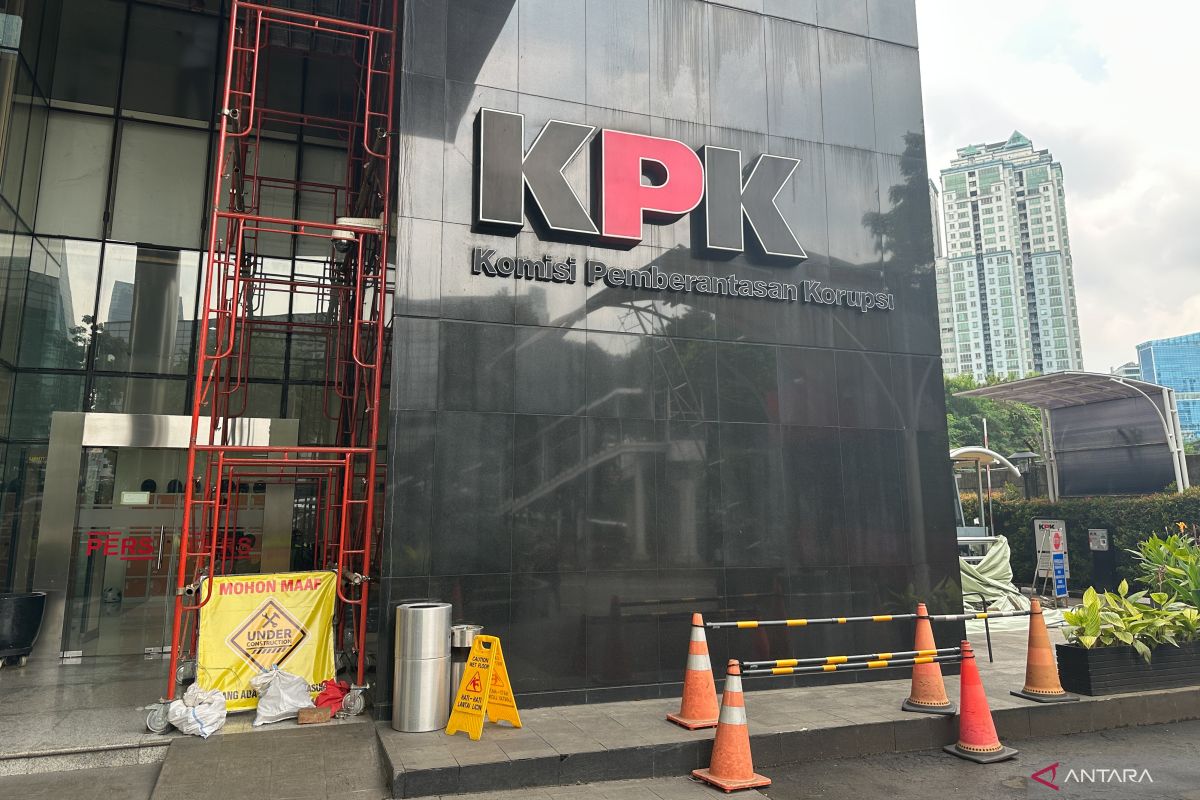
Jakarta (ANTARA) - The Corruption Eradication Commission (KPK) maintains that it retains the authority to conduct studies on preventing corruption within political parties (parpol), including aspects related to their governance already examined by the Directorate of Monitoring.
“In accordance with its duties and functions, the KPK retains the authority to conduct studies to prevent the occurrence of corruption,” said Deputy for Prevention and Monitoring of the KPK, Aminudin, to journalists in Jakarta on Friday.
He made this statement following widespread responses from legislators and politicians to several KPK recommendations in the study on political party governance.
Aminudin specifically noted that the KPK’s recommendations, including the proposal to limit the leadership of general chairmen of political parties to a maximum of two terms of office, were purely presented by the KPK in the context of corruption prevention.
“Purely for prevention purposes because the time limit will encourage a more transparent and accountable internal recruitment and cadreisation process within the party,” he said.
In agreement, KPK spokesperson Budi Prasetyo stated that the recommendations from the anti-corruption agency in the study constitute a form of corruption prevention.
“The study conducted by the KPK is in the framework of corruption prevention. That is certainly a duty and function held by the KPK in efforts to eradicate corruption,” said Budi.
Moreover, he added, political party governance is a strategic matter as it forms the initial stage in the formation of public officials up to the national level.
“The results of the study become recommendations for improvement. The hope is that follow-up actions will be taken so that we can collectively close off spaces that indeed trigger the emergence of corrupt criminal acts,” he said.
Previously, the KPK’s Directorate of Monitoring conducted a study on political party governance. In that study, the KPK presented several proposals related to preventing corruption in the political party governance sector.
These KPK proposals were put forward in line with findings that political party cadreisation is not running well and causes entry costs for individuals to become party cadres and be endorsed in general elections.
Therefore, in its study, the KPK proposed improvements to the political party cadreisation system to reduce such costs, while also preventing efforts to recoup political investments by individuals who enter political parties and become cadres due to certain political expenses.
To support effective cadreisation, the KPK proposed dividing party members into young, intermediate, and senior members.
In addition, there was a KPK proposal that candidates for DPR members should be senior party cadres. Meanwhile, candidates for provincial DPRD members should be intermediate cadres.
For presidential and vice-presidential candidates up to candidates for regional heads and deputy regional heads, it was proposed that they originate from the political party cadreisation system and must have been cadres for a certain period of time.
To support cadreisation improvements, the KPK also proposed regulations limiting the term of office of general chairmen of political parties to a maximum of two terms of office.