
KPK Investigates Gratification Report on Private Jet Used by Religious Affairs Minister — Could OSO Be Summoned?
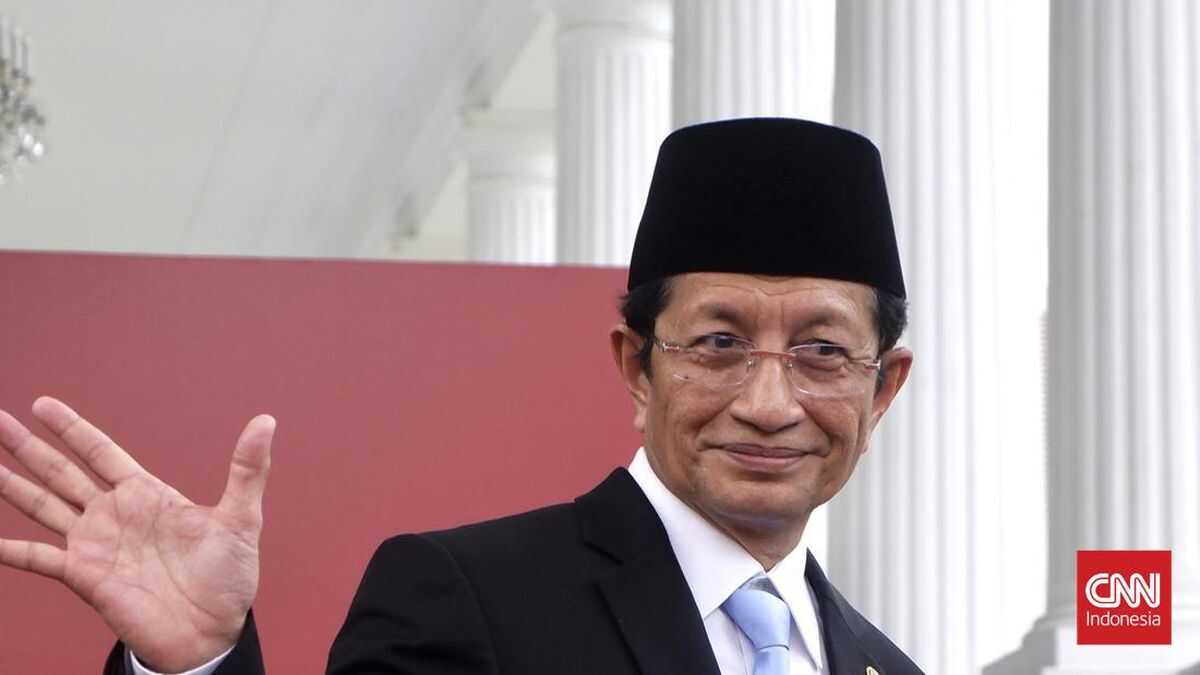
The Corruption Eradication Commission (KPK) will analyse a report filed by Religious Affairs Minister Nasaruddin Umar regarding his acceptance of a private jet facility from businessman and politician Oesman Sapta Odang (OSO). The private jet was used for the inauguration of the Balai Sarkiah Building in Takalar Regency on Sunday (15 February).
“From this report, the team will check the completeness of the filing and conduct an analysis, after which a decision will be made on the status of the provision of the facility,” said KPK spokesperson Budi Prasetyo when contacted via written message on Monday (23 February).
Budi said that reporting gratification within 30 days of receipt is a positive step for any state official. He added that it also serves as a mitigation measure, particularly against potential conflicts of interest that may arise.
“The Minister also conveyed that this sets a positive example, not only within the Ministry of Religious Affairs but across all ranks of state officials and civil servants throughout Indonesia, so that we undertake mitigation measures from the outset, particularly in corruption prevention,” he said.
Budi added that the Directorate of Gratification and Public Services would potentially seek clarification from the provider of the private jet facility, namely OSO.
“During the analysis, it is possible to request additional information or statements from certain parties,” Budi responded when asked about the possibility of seeking clarification from OSO.
Meanwhile, KPK Director of Gratification and Public Services Arif Waluyo stated that criminal penalties of a minimum of four years and a maximum of 20 years’ imprisonment, along with fines ranging from Rp200 million to Rp1 billion as stipulated in Article 12B of the Anti-Corruption Law, do not apply because Nasaruddin reported the receipt of the private jet facility within the 30 working-day deadline.
“He submitted the report within 30 working days in accordance with Article 12C [of the Anti-Corruption Law], which also states that if it is within 30 working days, Article 12B does not apply,” Arif said at the Anti-Corruption Education Centre in South Jakarta on Monday (23 February).
Arif explained that his office would conduct an analysis to determine whether the gratification may be retained by the recipient or belongs to the state.
“Later, if we issue a decree, for instance to provide compensation or a replacement payment, we will convey through the decree that ‘this must be replaced by a certain amount.’ He must submit that,” he explained.
“We are still verifying. So, verification of the completeness of the documents, what they look like, and then we will conduct the analysis. After that, we will convey how much must be returned or deposited into the state treasury,” he said.