
KPK Investigates 57 Wealth Reports Flagged as Inconsistent with Official Profiles
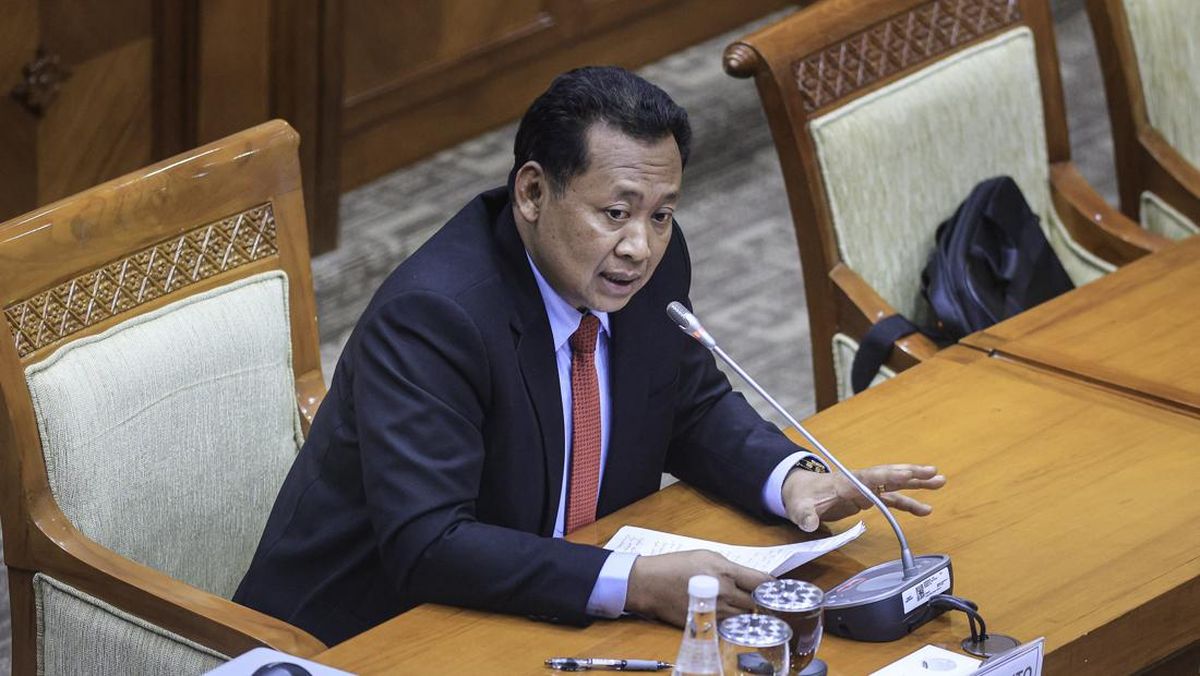
The Corruption Eradication Commission (KPK) is following up 57 reports on state officials’ wealth declarations (LHKPN) suspected of not complying with declarants’ obligations.
“The KPK also monitors the quality of the reports submitted. Of the hundreds of thousands of reports received, 57 are suspected of not matching the profiles of the declarants and require further examination,” said Deputy Chairman of the KPK Fitroh Rohcahyanto at a press conference on the performance achievements of the first half of 2026 at the KPK Support Building in Jakarta on Thursday (30/7).
Fitroh said the finding showed that LHKPN supervision does not stop at merely collecting documents, but also assesses the reasonableness and consistency of the information provided by state officials.
In terms of administrative compliance, Fitroh said the culture of transparency within state officialdom continues to develop positively.
As of June 2026, the KPK had received 422,766 LHKPN reports with a compliance rate of 98 per cent. According to him, this figure shows that awareness of reporting wealth has become an increasingly strong norm among public officials.
“In fact, a number of institutions have recorded a 100 per cent compliance rate, including the National Counter-Terrorism Agency (BNPT), the Ministry of Law and Human Rights, the Office of the President and Vice President, the Boyolali Regency Government, and the Kendari Municipal Government,” said Fitroh.
Gratification reports
At the same time, Fitroh said the anti-corruption culture is also increasingly visible through the rise in gratification reporting.
Through the Gratification Control Programme (PPG), various gratification control efforts have been carried out, including outreach activities to improve understanding of gratification and the harmonisation of internal regulations of Ministries, Agencies and Regional Apparatuses (KLPD).
By mid-2026, the KPK had successfully encouraged the establishment of Gratification Control Units (UPG) in institutions, totalling 730 by the end of 2025 and 739 as of June 2026.
Fitroh explained that through the establishment of UPGs in each institution, it is hoped that it will be easier for state officials and civil servants to report gratification, and that the units’ duties in building an anti-gratification culture can be optimised.
Throughout the first half of 2026, the KPK received 2,850 gratification reports. Of that number, 626 reports were declared state property with a total value of Rp5.14 billion.
This figure increased compared to the first half of 2025, which saw 2,617 reports, with a value of Rp1.78 billion deposited into the state treasury.
“Behind these achievements lies a very important message: more gratification reports do not mean the practice is increasing, but rather show a growing awareness of rejecting and reporting gifts that could potentially conflict with one’s interests,” said Fitroh.