
KPK Integrity Survey: Thesis Ghostwriting Services Found in 91% of Universities
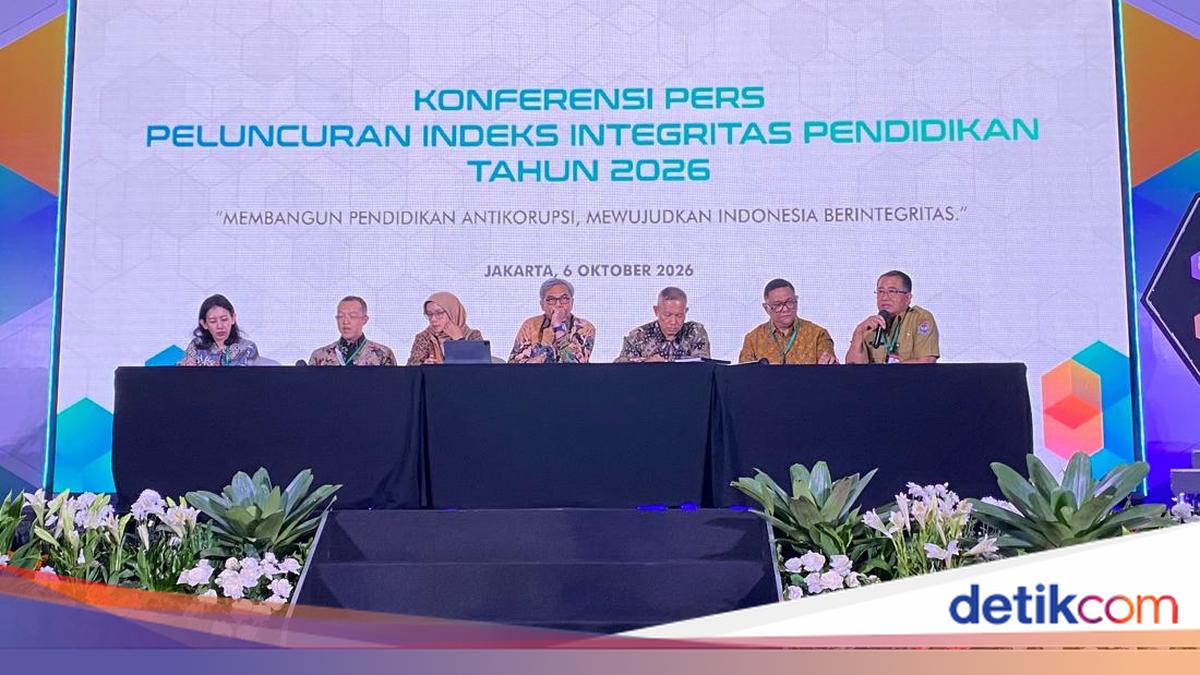
The Corruption Eradication Commission (KPK) has conducted the 2026 Education Integrity Assessment (SPI). The results indicate that thesis ghostwriting practices still persist in 91 per cent of Indonesian universities.
The launch of the 2026 Education Integrity Index, themed ‘Building Anti-Corruption Education, Realising an Integrity-Driven Indonesia’, was held at the KPK Merah Putih building in South Jakarta on Tuesday (6/10/2026). The event was attended by KPK Chairman Setyo Budiyanto, Minister of Religious Affairs Nasaruddin Umar, and Minister of Primary and Secondary Education Abdul Mu’ti.
Acting Deputy for Education and Community Participation at the KPK, Dian Novianthi, explained that the SPI measures three dimensions: student character, the educational ecosystem, and educational governance.
The KPK surveyed 42,810 respondents, comprising 41,720 respondents from primary and secondary schools and 1,090 respondents from higher education institutions. Regarding the character dimension, it was revealed that students still utilise ghostwriting services to complete final assignments and theses.
“There are still findings regarding students paying third parties to complete final assignments or theses; it is similar to assignment ghostwriting. In higher education, this was reported by 43 per cent of respondents and occurs in 91 per cent of the surveyed educational units,” said Dian.
The KPK survey also revealed that the practice of parents giving gifts to teachers continues. “Regarding professionalism, gifts are still being provided by students’ parents. It was reported that 34 per cent of parents still provide gifts to educators during certain moments,” she stated.
The KPK also highlighted significant findings of teachers and lecturers arriving late to classes without clear reasons. This occurs in 31 per cent of primary and secondary education and 53 per cent of higher education.
Meanwhile, regarding the governance dimension, the KPK survey found that School Operational Assistance (BOS) funds are not being used appropriately. Practices such as extortion and nepotism are still prevalent.
“From the governance dimension, there are still reports that the use of BOS funds does not align with their intended purpose. This was reported by 8 per cent of our respondents,” she noted.
“Of that 8 per cent, 16 per cent involves extortion, cuts, or illegal levies; 40 per cent involves nepotism; 45 per cent involves the inflation of costs for other fund uses; and 41 per cent covers other issues,” Dian added.
Dian stated that facilities and equipment in educational units were also found to be insufficient to support effective learning. This is due to a lack of transparency regarding the procurement of educational infrastructure.
“There is a lack of transparency; for example, the procurement of facilities and infrastructure is not transparent. In primary and secondary education, this was reported by 13 per cent of respondents, and in higher education, by 29 per cent of respondents,” she concluded.
Source: jawawa.id (https://jawawa.id/newsitem/kpk-integrity-survey-thesis-ghostwriting-services-found-in-91-of-universities-1791284385)
Originally published by detikcom (https://news.detik.com/berita/d-8695189/survei-integritas-kpk-joki-skripsi-terjadi-di-91-kampus), translated from Indonesian