
KPK Identifies Three Main Obstacles Hindering 10% Participating Interest Implementation in Oil and Gas
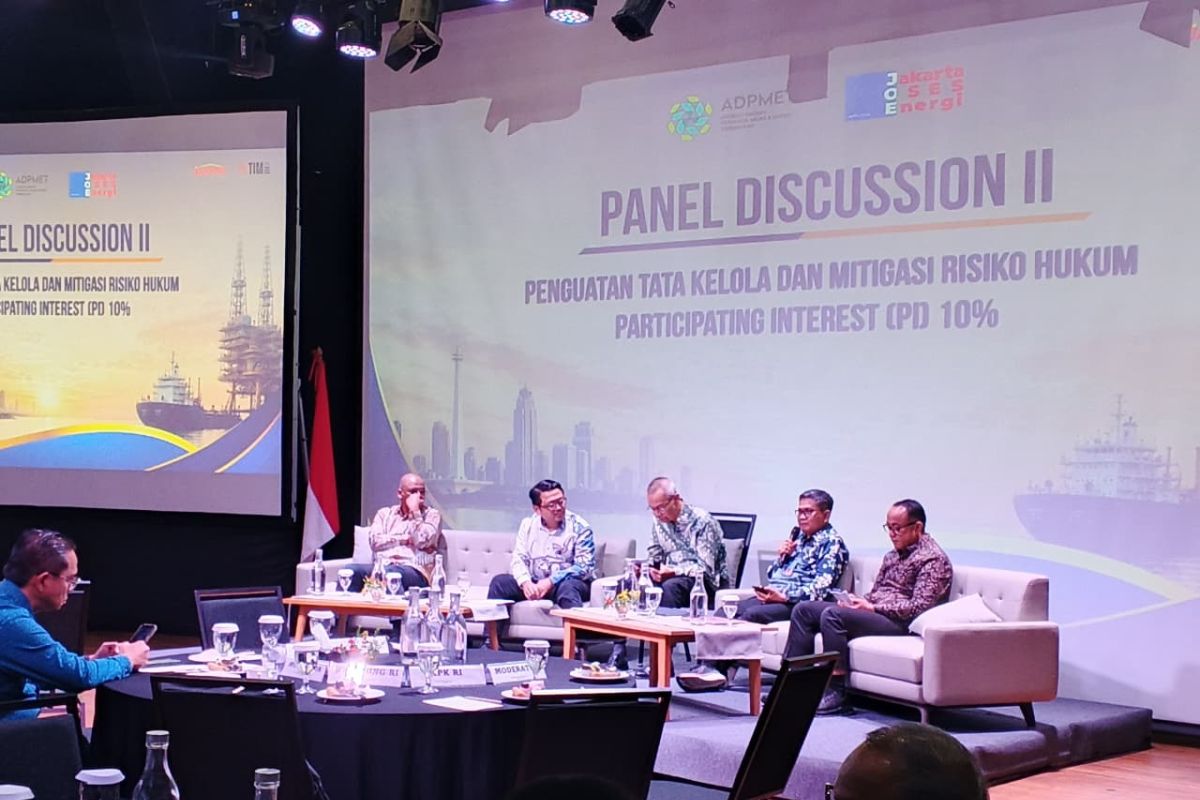
The Corruption Eradication Commission (KPK) has identified three main problems hindering the implementation of the 10% Participating Interest (PI) in the oil and gas sector. Firstly, there are still differing perceptions regarding the timing of implementation and the receipt of the 10% PI, including the mechanism for cross-border reservoir sharing. Secondly, weak governance encompasses coordination, supervision, regulation, transparency, accountability, and the business strategy of regionally owned enterprises (BUMD), which are considered suboptimal. Thirdly, these various gaps open up space for corruption in the management of the 10% PI.
The KPK also mapped 11 strategic issues, ranging from accountability in oil and gas production reports, discrepancies between the net profit of Cooperation Contract Contractors (KKKS) and PI receipts, to transparency in communication between BUMDs and KKKS, the mechanism for establishing BUMDs, and the division of share ownership between provincial and district/city governments.
To address these issues, the KPK recommends strengthening BUMD institutions, synchronising financial management, digitalising PI information systems, and implementing layered supervision through internal and external audits. The commission assessed that the policy’s implementation should improve the welfare of oil and gas producing regions, but governance problems, differing perceptions among stakeholders, and vulnerability to corruption remain significant barriers.
The weak governance has led to legal problems in the management of the 10% PI. The KPK noted that many corruption cases originate from damaged governance and relationships between parties that were initially cooperative. The commission urged all stakeholders to prioritise supervisory systems, anti-corruption culture, and open communication to prevent irregularities from the outset.
The Association of Oil and Gas and Renewable Energy Producing Regions (ADPMET) was advised to develop guidelines regarding permitted and prohibited activities in PI management, involving financial auditors, legal auditors, the Development Finance Comptroller (BPKP), and the Attorney General’s Office. The KPK also reminded stakeholders that the use of company funds must remain oriented towards oil and gas business interests and not be used for expenditures unrelated to company operations.
Data shows that out of the total, 121 BUMDs or 17.59% are in the red zone, having suffered consecutive losses for three years with total losses reaching IDR 1.19 trillion. Meanwhile, 341 BUMDs are in the yellow zone with fluctuating financial conditions, and 226 BUMDs are in the green zone with total net profits of IDR 3.36 trillion. The Development Finance Comptroller (BPKP) assessed that weak implementation of Governance, Risk Management, and Compliance (GRC) is the root cause of many BUMDs’ performance issues, recommending strengthened commitment from regional heads as shareholders and increased independence of internal supervisory units, alongside the implementation of anti-fraud systems and enhanced human resource competency in PI management.