
KPK Explains How Gratuities Undermine Official Objectivity
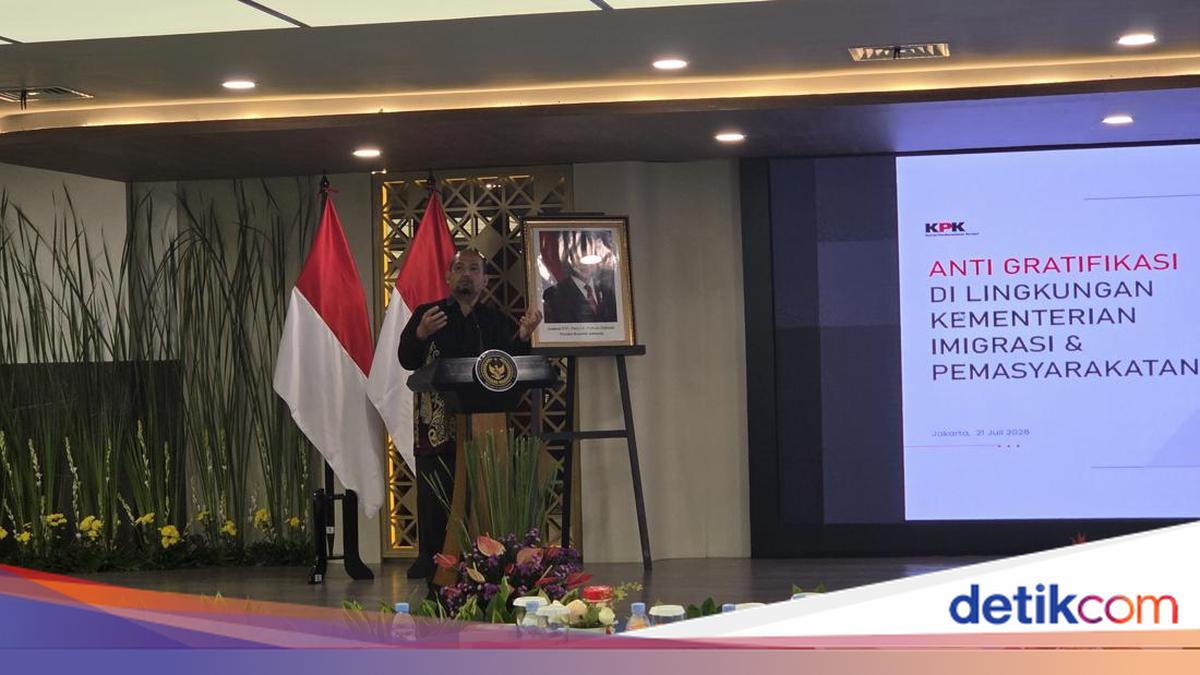
The Corruption Eradication Commission (KPK) has stated that gratuities are often given to officials to cultivate favour, ultimately compromising their independence and objectivity in decision-making. KPK Director of Gratification and Public Services, Arif Waluyo, explained the distinction between transactional bribery and gratuities during a socialization event on gratification control at the Ministry of Immigration and Corrections office in South Jakarta on Tuesday (21/7/2026).
“Bribery is transactional, whereas gratuities are sometimes given to cultivate goodwill,” Arif said. He noted that such gifts are intended to make officials side with the giver, thereby influencing their decisions. “It is given so that the person concerned becomes non-independent or non-objective in making decisions, leading to favouritism. That is what often happens,” he explained.
Arif further categorized individuals into three groups regarding gratification. The first group is the obedient, who follow the rules regardless of supervision. The second is the semi-obedient, who comply only when under the watch of inspectorates or law enforcement officials. “The troublesome ones are the last group, the non-compliant. They do not care about the presence of inspectorates or law enforcement; they consider it part of the risk,” he said. He concluded that for this final group, the only remaining strategy is prosecution.