
KPK Detects Alleged Bribery Regarding Luxury Facilities at Cibinong Prison
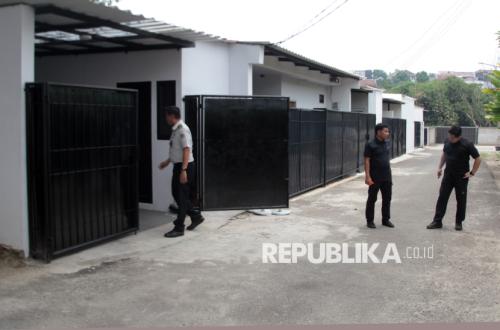
The Corruption Eradancy Commission (KPK) plans to investigate elements of corruption regarding the alleged provision of luxury facilities for inmates at Cibinong Prison. The KPK has detected signs of potential bribery following an inspection by the Ombudsman at the facility.
KPK Spokesperson Budi Prasetyo stated that a thorough investigation into the Ombudsman’s findings is necessary. The Ombudsman recently discovered luxury facilities within the Cibinong Prison premises.
“If it is true that facilities are being provided to inmates outside the standards established by the Ministry of Immigration and Correctional Services, then this condition warrants serious attention,” Budi told reporters on Monday (28/09/2026).
Budi emphasised that providing facilities outside of standard regulations could lead to potential transactions between prison officers and inmates. He warned that inmate facilities obtained through payment or gifts could trigger transactional practices, which have the potential to lead to criminal acts of corruption.
“The KPK has previously warned that prison governance is an area that needs improvement to mitigate corruption risks,” said Budi.
The KPK has previously conducted studies and identified high-risk areas for corruption in prison management. These include illegal levies, bribery, misuse of budgets and authority, procurement of goods and services, and the risk of preferential treatment for certain prisoners. Based on these findings, the KPK has long urged that there must be no abuse of authority within the correctional process.
“All inmates must receive treatment in accordance with their rights and applicable regulations. It should not be the case that someone receives better facilities because they have the ability to pay, nor should they receive special treatment due to a specific status,” Budi concluded.