
KPK Deems Political Party Cadre System in Need of Reform Following 371 Corrupt Politicians
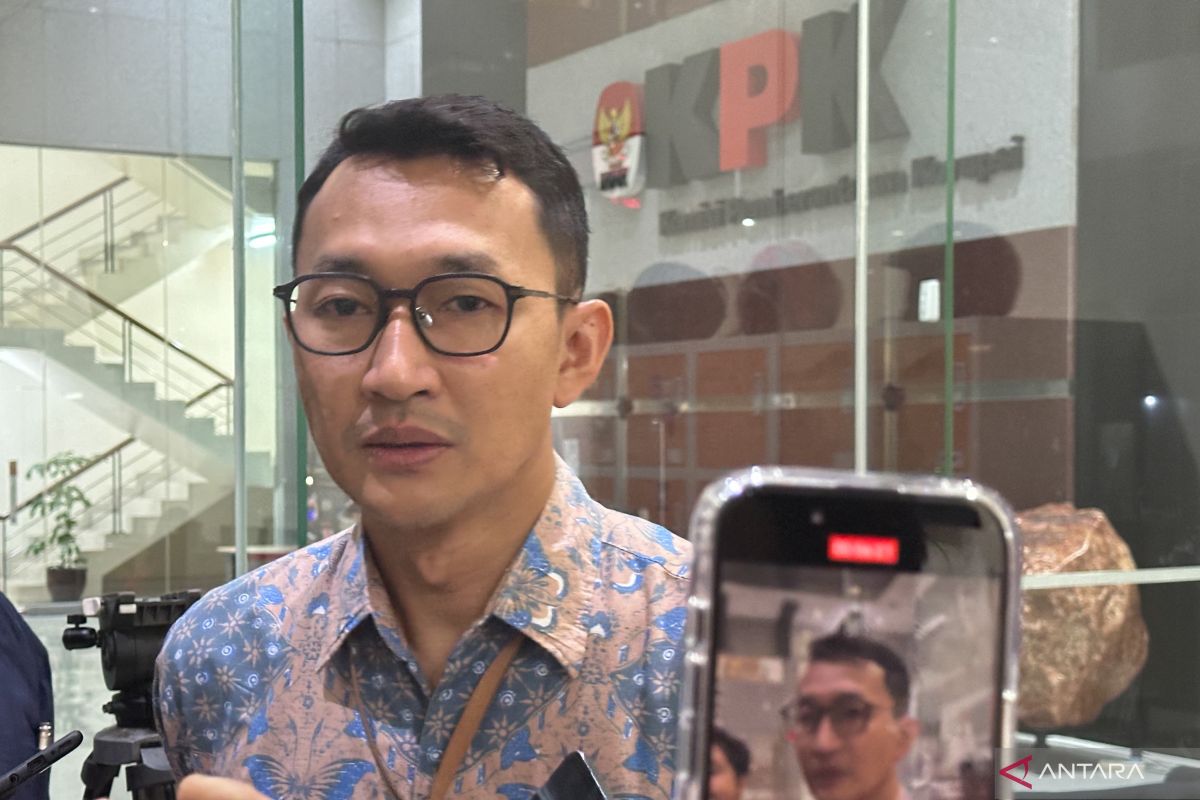
Jakarta (ANTARA) - The Corruption Eradication Commission (KPK) views the cadre system of political parties (parpol) as needing improvement after 371 politicians were implicated in corruption cases handled by the anti-corruption agency over the past 22 years from 2004 to 2025.
“371, or about 19.02 percent of 1,951 corruption perpetrators based on profession, are members of the House of Representatives/Regional Representative Councils (DPR/DPRD),” said KPK Spokesperson Budi Prasetyo to journalists in Jakarta on Monday.
Budi explained that KPK data positions politicians or legislators as one of the three professional groups most involved in corruption over the last 22 years.
Additionally, he said KPK data also records 176 corruption perpetrators as regents/mayors, and 31 others as governors.
Furthermore, 11 regional heads from the 2024 Regional Elections have been arrested by KPK.
“This situation indicates the importance of reforming the political system and cadre development so that public positions are truly filled by individuals of integrity,” he stated.
According to him, KPK sees the improvement of political party governance systems as increasingly urgent because it is closely linked to public policy and government administration.
“Thus, when the cadre development process is built on integrity, the leaders who emerge will have an orientation towards the people’s interests, not transactional ones,” he said.
KPK’s proposal was conveyed alongside findings that political party cadre development is not running well, leading to entry costs for individuals to become party cadres and be endorsed in general elections.
Therefore, in its study, KPK proposes improvements to the party cadre system to suppress such costs, while preventing efforts to recoup political investments by newcomers who join parties and become cadres due to certain political expenses.
To support effective cadre development, KPK proposes dividing party members into young, intermediate, and senior cadres.
Additionally, KPK proposes that candidates for DPR members be senior party cadres. Meanwhile, candidates for provincial DPRD members should be intermediate cadres.
For presidential and vice-presidential candidates up to regional head and deputy head candidates, it is proposed that they come from the party cadre system and must have been cadres for a certain period.
To support cadre development improvements, KPK also proposes regulations limiting the term of general chairmen of parties to a maximum of two periods of management.
Then, on 25 April 2026, KPK stated that it had reported the results of this study to President Prabowo Subianto and DPR RI Speaker Puan Maharani.
KPK stated there are three main recommendations deemed important to be immediately followed up or implemented by the government and DPR RI.
First, revising Law No. 7 of 2017 on General Elections, and Law No. 10 of 2016 on Regional Elections. Several aspects needing change include recruitment of election organisers, campaign methods and voting, vote counting and recapitulation, as well as strengthening articles regulating sanctions.
Second, revising Law No. 2 of 2011 on Political Parties, by adding scopes for standardising political education, cadre development, and political party financial reporting.
Lastly, KPK urges the government together with DPR RI to immediately conduct substantive discussions on the Draft Law on Limiting Cash Money as an important instrument in preventing money politics practices.
Source: jawawa.id (https://jawawa.id/newsitem/kpk-deems-political-party-cadre-system-in-need-of-reform-following-371-corrupt-politicians-1777311575)
Originally published by Antara (Indonesian) (https://www.antaranews.com/berita/5544637/kpk-nilai-kaderisasi-parpol-perlu-diperbaiki-usai-371-politisi-korupsi), translated from Indonesian