
KPK Chief Says Case Brokers Are 'Not That Powerful'
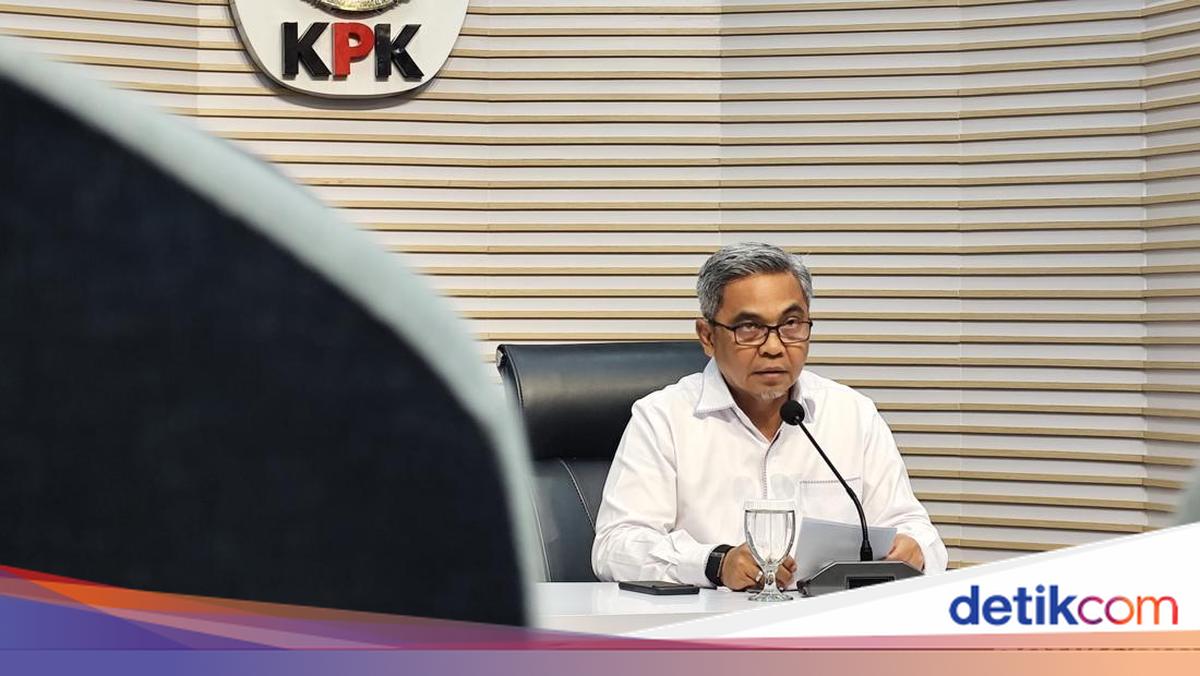
Corruption Eradication Commission (KPK) Chairman Setyo Budiyanto has addressed the issue of case brokers, or middlemen, in procurement, stating that such figures are not as powerful as they are often portrayed. He made the remarks during the launch of an ASN E-Learning programme at the National Institute of Public Administration (LAN) on Wednesday (17/6/2026), attended by representatives from various regional governments and ministries.
Setyo initially noted that in corruption cases, individuals still find ways to circumvent existing systems, such as the e-Catalogue. “The simplest example I can give is the e-Catalogue. Even digitalised procurement can still be manipulated, it can still be tampered with. Closed during the day, opened at night. Why? It comes back to the human resources,” he said.
He then touched on the complaints about brokers or middlemen. Setyo described these procurement fixers as mere spectators waiting for information. “I often say, they always use the excuse, ‘Sir, there are case brokers, middlemen, fixers, yes, brokers.’ I often say this. They are not that powerful, ladies and gentlemen. They are actually just spectators, players waiting for a leak of information from insiders,” he stated.
Setyo explained that once these brokers receive information from an insider, they can then spring into action. This practice constitutes the deviation in procurement at ministries, agencies, or regional governments. “So, if an insider has told them, ‘Hey, later the procurement will open with these specifications.’ They are directed. The bid price will be this much, this much, this much. They then arrange it. After that, it is the brokers, the middlemen, the fixers who then go on the offensive, looking for players, looking for vendors, cutting prices by a certain amount,” he said.
Setyo then reminded the attending regional leaders that enforcing the integrity of civil servants is also their responsibility. This matter cannot be left solely to law enforcement. “Governors, all regional heads, I ask that this also be a concern for everyone. With the current situation and conditions, we cannot forget that this is our collective responsibility,” he said.
Setyo also highlighted that digitalisation systems in government, particularly for procurement, do not guarantee freedom from corrupt practices. He mentioned that many officials still try to outsmart the system to commit fraud. “Because if we carry out all activities without integrity, then what has been created, what we have all collaborated on through digitalisation, is merely a tool,” Setyo said.
He noted that the KPK has proven in many cases that digitalisation can be circumvented. Corrupt practices in procurement are sometimes carried out through hidden mechanisms or backdoors. He stressed that corruption can still occur amidst sophisticated systems if not accompanied by integrity from individuals. “Tools can be tricked. We have proven in many cases, it looks like it has been digitalised, but the backdoor can still be exploited,” he said.
The KPK also reminded civil servants to resist temptation when carrying out their duties. Setyo said ASN must be careful with money. “I understand the situation on the ground is not easy. Temptations, enticements, they certainly exist. It’s situational. Dealing with people who want things fast, who don’t want hassle, who don’t want to go back and forth, that becomes a real temptation and enticement,” he said.
Setyo urged civil servants to sharpen their instincts and avoid money that could lead them astray. “All ASN must be sensitive to their instincts. ‘Oh, this instinct is not good.’ Like, ‘Oh, this is warm money, this is hot money, this will drag me down,’” he said. He added that decision-making must be done with positive consideration, and that prudence can lead to success in programme implementation.