
KPK Chief Haunted by Harun Masiku's Elusive Status, Former Investigator Proposes Special Task Force
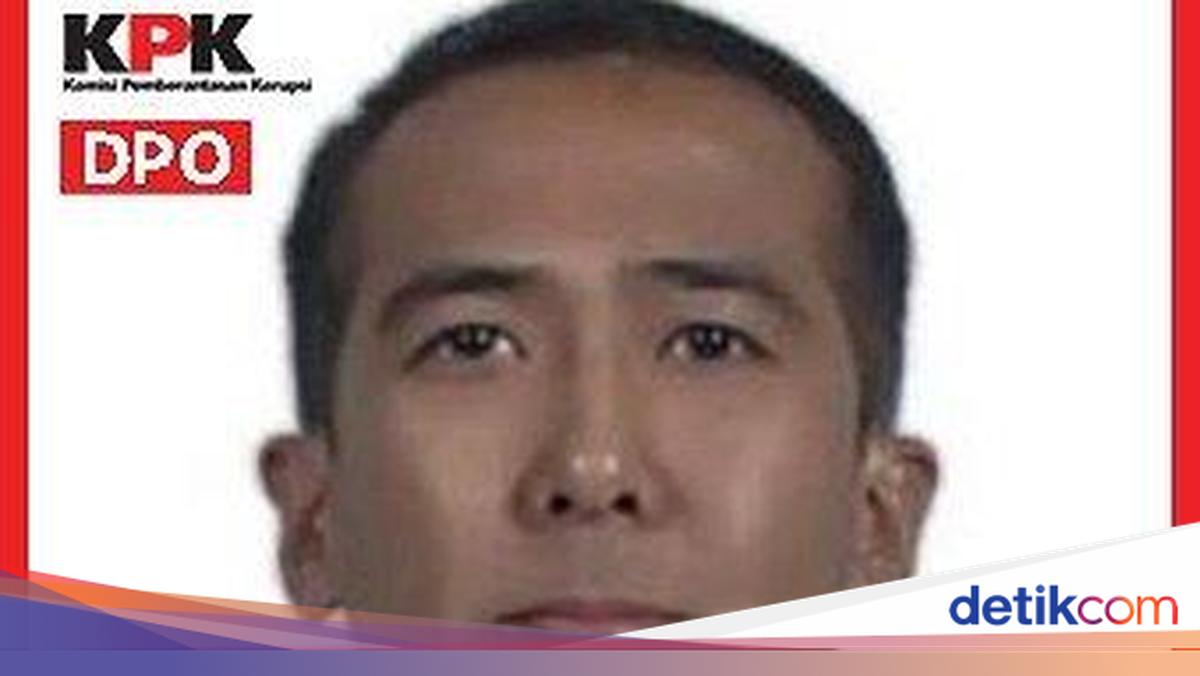
Corruption Eradication Commission (KPK) Chairman Setyo Budiyanto has admitted that the unresolved search for fugitive Harun Masiku remains a burden for the leadership. Former KPK investigator Yudi Purnomo Harahap has called on the anti-graft body to form a special task force to hunt down Harun. “KPK must be more active, forming a special team to locate Harun Masiku,” Yudi said when contacted on Monday (3/8/2026).
Yudi highlighted the KPK’s apparent lack of progress in pursuing Harun, particularly after PDIP Secretary-General Hasto Kristiyanto received an amnesty from President Prabowo Subianto. Hasto had previously been named a suspect by the KPK for allegedly bribing former KPU Commissioner Wahyu Setiawan together with Harun Masiku.
According to Yudi, the KPK must firmly reject any discourse of proceeding with the case through an in absentia trial, where the defendant is not present. He stressed that the commission bears a moral burden to capture Harun just like any other fugitive. “After Hasto received amnesty, the KPK has stopped moving to develop this case, including the fact that Harun Masiku has not been caught. The KPK should not wash its hands of this by holding an in absentia trial, because I believe Harun Masiku is still out there,” he explained.
Yudi argued that an in absentia trial for Harun would be detrimental to the KPK. Such a choice would also reinforce suspicions of strong political nuances behind Harun Masiku’s disappearance. “If an in absentia trial is held, Harun Masiku will effectively receive special treatment because he doesn’t have to attend the proceedings. If a heavy sentence is handed down, he remains missing; if it’s light, he might reappear. So, Harun Masiku remains a Pandora’s box in this case,” he said.
IM57+ Institute expressed confidence that the KPK still has the capability to find the former PDIP cadre. “We believe that Harun Masiku can still be found. We are confident that through the KPK’s sophisticated intelligence work, this matter can be resolved,” said IM57+ Institute Chairman Lakso Anindito.
Lakso also addressed the option of trying Harun in absentia. Although regulated under Article 38 of the Corruption Eradication Law, he argued that this mechanism does not align with the KPK’s objective to fully resolve the case. He explained that the in absentia trial provision is primarily aimed at asset recovery, whereas the Harun Masiku case raises public questions about the actors, both inside and outside the KPK, who enabled him to remain a fugitive for so long.
“This case is about how political intervention has significantly impacted democracy and law enforcement. That is what we must fight against, so finding Harun Masiku must remain a priority,” Lakso stated. IM57+ Institute stressed that the KPK must resolve the case by capturing Harun and bringing him to trial, asserting that an in absentia trial is not the appropriate solution. “The KPK’s good faith to resolve this case must be realised not through an in absentia trial, but by finding Harun Masiku and prosecuting him. We believe the intervention that hid Harun Masiku has weakened, so the potential to find him is there,” he concluded.
KPK Chairman Setyo Budiyanto previously stated that unresolved cases and fugitives who have not been arrested, such as Harun Masiku, are a burden for him and the other commissioners. “The DPO, HM, remains a burden for the leadership. Even though the case dates back to 2020 or 2021, to put it simply, the leadership is still haunted by it,” Setyo said during a KPK performance briefing in South Jakarta on Thursday (30/7). He noted that the public consistently asks about the progress of Harun Masiku’s arrest and emphasised the need for public support to capture him.