
KPK Chairman Says Prosecuting Corruption is Costly, Corruptors' Food and Clothing Managed by the State
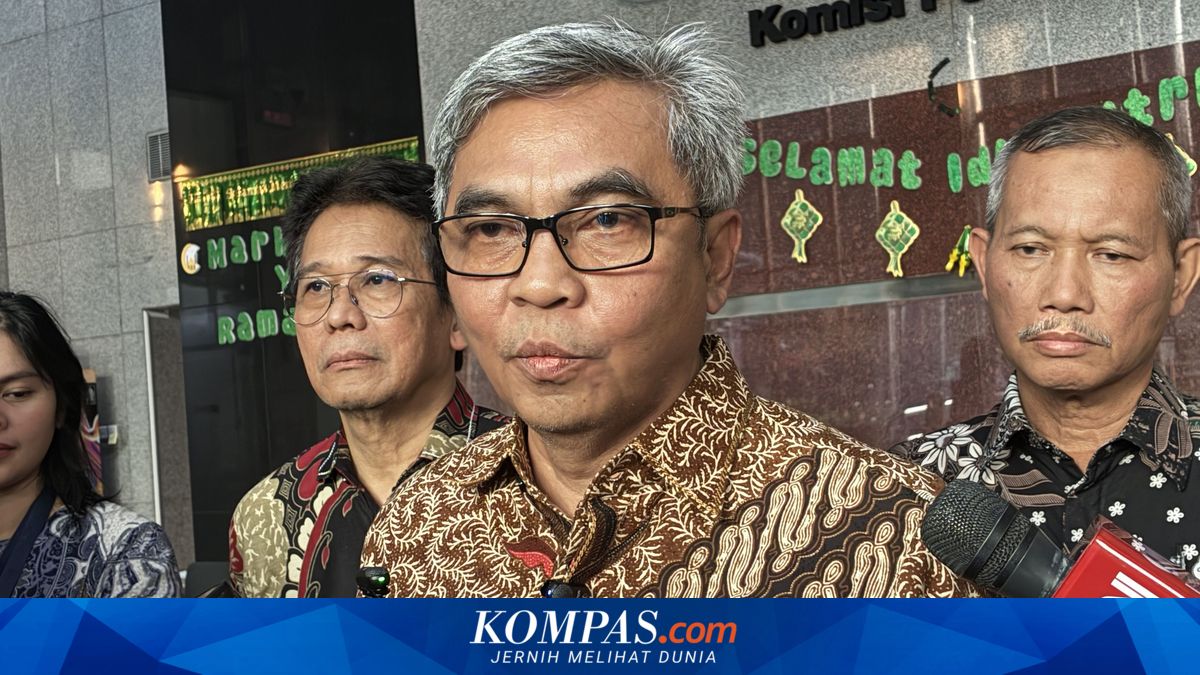
JAKARTA - The Chairman of the Corruption Eradication Commission (KPK), Setyo Budiyanto, stated that capturing and detaining corruptors requires more substantial costs than implementing corruption prevention efforts. Setyo noted that the prosecution of corruption offences does not end with the arrest of the corruptor; the KPK also manages their food and clothing needs while in detention using state funds. “With the hope that if we provide this (anti-corruption education book) rather than focusing on upfront prosecution processes, it is better to carry out prevention processes,” Setyo said during the launch of the Anti-Corruption Education Guidebook and Teaching Materials at the Ministry of Home Affairs office in Central Jakarta on Monday (11/5/2026). Setyo hopes that the Anti-Corruption Guidebook and Teaching Materials can be well implemented for children, particularly to recognise corrupt behaviour so that when they grow up, they become individuals of integrity. “This (book) is indeed made by fellow humans with all their shortcomings and limitations, but it serves as a guide or handbook for anti-corruption that we can give to our children and grandchildren,” he stated. The Minister of Basic and Secondary Education, Abdul Mu’ti, said that the Anti-Corruption Education Guidebook and Teaching Materials launched today will not become a separate subject in all schools. Mu’ti explained that the book will instead integrate anti-corruption education with existing subjects and extracurricular activities in every school. “The guidebook is not a subject, but part of a guide to build an ecosystem in the education environment, both in schools, families, communities, and media. Therefore, the guidebook integrates existing school lessons with extracurricular and co-curricular activities,” Mu’ti said. Meanwhile, Deputy Minister of Home Affairs Akhmad Wiyagus stated that with this book, all regional heads are urged to draft derivative regulations at the local level, such as Regional Regulations (Perda) and other technical instructions. He said this aims to ensure the implementation of anti-corruption education by utilising the available guidebook and teaching materials. “Then integrate anti-corruption education into the school curriculum, both intracurricular and extracurricular, by reviewing anti-corruption education in their respective regions and making updates if necessary,” Akhmad remarked.