
KPK Assures No Duplication of MBG Governance Case, What Does It Mean?
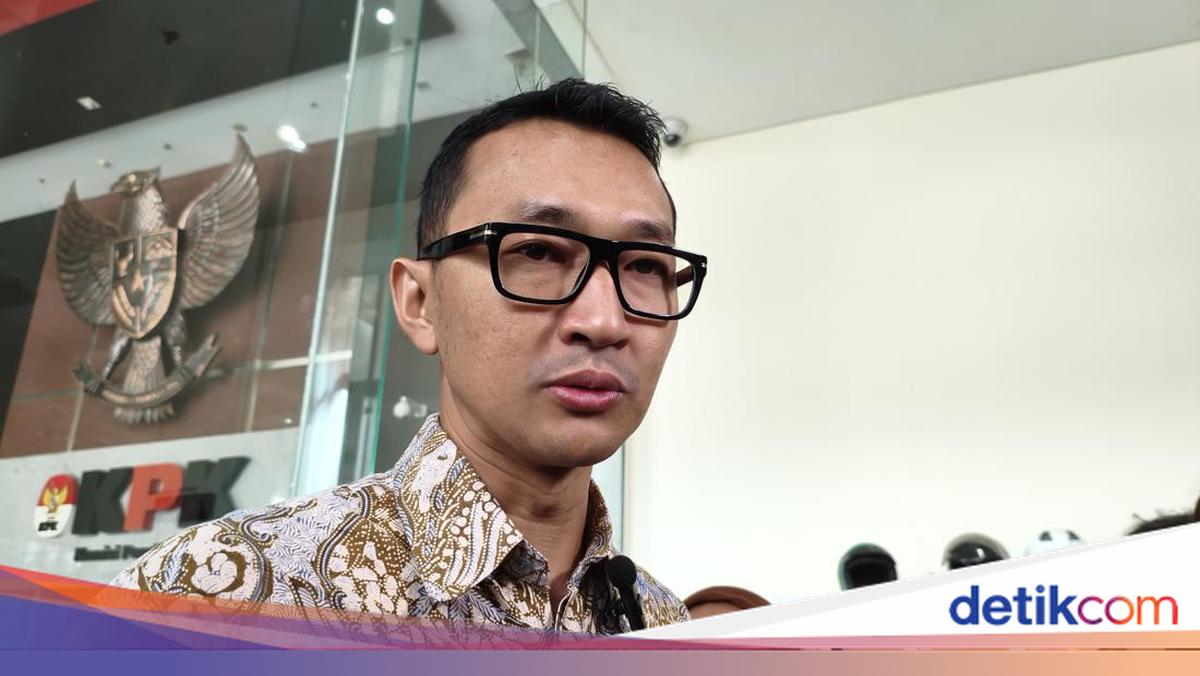
The Corruption Eradication Commission (KPK) has assured it will not duplicate the Free Nutritious Meals (MBG) governance case currently being handled by the Attorney General’s Office (Kejagung). The KPK has chosen to focus on the findings of its review of the programme.
KPK spokesperson Budi Prasetyo stated that the commission respects the legal steps and processes underway at the Kejagung. He said the KPK adheres to the principle that law enforcement processes must be carried out effectively and efficiently to provide legal certainty.
“In line with this principle, the KPK does not duplicate law enforcement processes for cases already handled by other law enforcement agencies,” Budi explained to reporters on Friday (19/6/2026).
Budi noted that the KPK not only carries out enforcement functions but also has a duty to conduct prevention. Therefore, he said, the KPK will focus on the review it has already conducted regarding improvements to the MBG programme’s governance.
“It must be understood that the KPK’s role and duties in this issue are not solely on the enforcement aspect. The KPK has previously conducted a review and identified various potential corruption risks related to the programme’s governance,” Budi revealed.
“For this reason, the KPK will continue to monitor and coordinate with ministries, agencies, and relevant parties to follow up on the recommendations from the review that have been submitted,” he continued.
He explained that anti-corruption efforts are considered complete not only when the legal process is finished, but also through strengthening the prevention system. This is to ensure that potential irregularities do not recur.
“Therefore, following up on governance improvement recommendations is an important part of ensuring that strategic government programmes can run effectively, accountably, and free from corrupt practices,” he stated.
He also confirmed that the KPK will continue to support every law enforcement effort and governance system improvement undertaken by stakeholders. This is part of a shared commitment to realising transparent and high-integrity state financial management.
For context, the KPK had conducted a review and monitoring of the MBG programme before the Kejagung handled the alleged corruption case in MBG governance, which ultimately named three former leaders of the National Nutrition Agency (BGN) as suspects.
In its review and monitoring, the KPK identified eight points requiring improvement in MBG governance. These eight findings were detailed by the KPK’s Monitoring Directorate.
The KPK explained that the large scale of the programme and its budget had not been matched by an adequate regulatory framework, governance, and oversight mechanisms. The following are the KPK’s eight findings regarding MBG governance:
Regulations for MBG implementation are inadequate, particularly in governing programme governance from planning and execution to cross-ministerial/institutional and local government oversight.
MBG implementation through the Government Assistance (Banper) mechanism creates risks of extended bureaucratic chains, potential rent-seeking, and reduced food budget portions due to operational and rental cost deductions.
A centralised approach with the BGN as the sole actor marginalises the role of local governments and weakens checks and balances in determining partners, kitchen locations, and supervision.
High potential for conflicts of interest (CoI) in determining SPPG/kitchen partners due to centralised authority and unclear SOPs.
Weak transparency and accountability, especially in the verification and validation of partner foundations, determination of kitchen locations, and financial reporting and accountability.
Many kitchens do not meet SPPG technical standards, resulting in food poisoning cases in various regions.
Food safety oversight is not optimal, with minimal involvement of local Health Offices and the Food and Drug Supervisory Agency (BPOM) according to their authority.
There are no indicators for the success of the MBG programme, either short-term or long-term, nor has a baseline measurement of nutritional status and beneficiary academic achievement been conducted.
The KPK subsequently provided recommendations for the MBG programme, namely:
• Formulate comprehensive and binding implementation regulations, at least at the Presidential Regulation level, to govern planning, implementation, supervision, and the division of roles across ministries/institutions and local governments.
• Review the Government Assistance mechanism, including the cost structure, implementation chain, and fairness of budget components, to prevent rent-seeking and a decline in nutritional service quality.
• Implement a collaborative and limited decentralised approach by strengthening the role of local governments in determining beneficiaries, kitchen locations, and operational supervision.
• Clarify SOPs and Service Level Agreements (SLAs) for appointing foundation/SPPG partners, and ensure the selection, verification, and validation process is conducted transparently and accountably.
• Strengthen food safety oversight through the active involvement of local Health Offices and BPOM in certification, kitchen inspections, and food quality control.
• Build a standardised financial reporting and verification system to prevent fictitious reports, mark-ups, and irregularities in fund disbursement.
• Establish measurable MBG success indicators, accompanied by baseline measurements of nutritional status and beneficiary achievements as a basis for continuous programme impact evaluation.