
KPK: Asset Forfeiture Law Will Accelerate Corruption Eradication
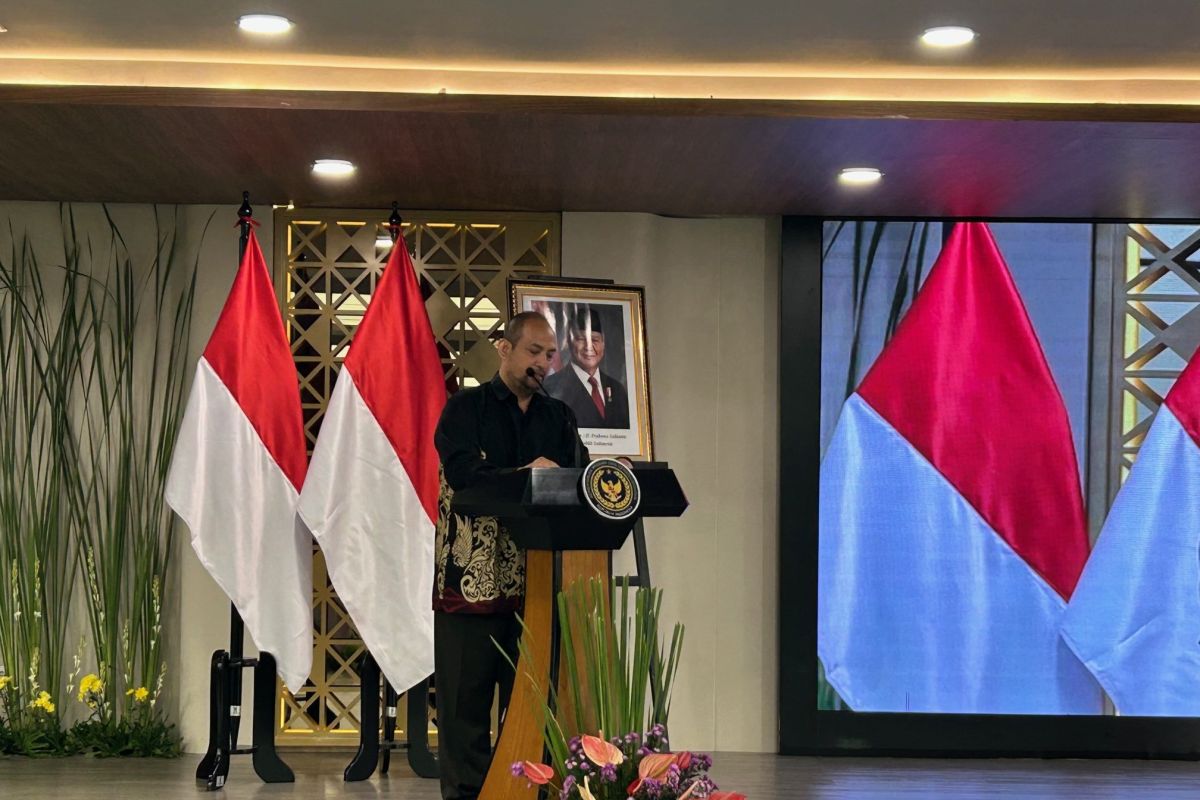
Jakarta (ANTARA) - Arif Waluyo, Director of Gratuities and Public Services at the Corruption Eradication Commission (KPK), stated that the Asset Forfeiture Law, currently being deliberated by the DPR, is one of the instruments that can accelerate corruption eradication efforts.
“At the very least, if the Asset Forfeiture Bill can be enacted, God willing, it will further accelerate corruption eradication efforts in a better way,” Arif said during a Gratuities Control Socialisation event at the Ministry of Immigration and Correctional Services office in Jakarta on Tuesday.
According to him, the asset forfeiture regulation will become a legal revolution for Indonesia in achieving better corruption eradication. This can be seen from the case of former Deputy Attorney General for Special Crimes (Jampidsus) at the Attorney General’s Office, Febrie Adriansyah.
One of the instruments used by the KPK in uncovering corruption cases is the State Officials’ Wealth Report (LHKPN). However, these LHKPN reports are not always filed transparently by those required to report.
In several cases, investigators examined whether the LHKPN was genuinely reported and accurate in line with the assets actually held, or not. There are also officials who merely report without updating their LHKPN, even though their wealth has increased.
“The truth is, when their assets increase, they do increase. They should not fail to report it,” he said.
“We always push for that. Because that is where the tools are. Just look at how the LHKPN is currently handled — some have their 2024 report identical to their 2025 report,” he said.
Contacted separately, Bawono Kumoro, a researcher at Indikator Politik Indonesia, said deliberation of the Asset Forfeiture Bill is continuing between DPR Commission III and the government.
The deliberation is considered ideal because its momentum coincides with the enactment of the new Criminal Procedure Code (KUHAP).
DPR Commission III is scheduled to continue deliberating the Asset Forfeiture Bill, even as it is about to enter the recess period.
Deputy Speaker of the DPR RI Sufmi Dasco Ahmad has also given Commission III the go-ahead to hold deliberations during the recess.
The Asset Forfeiture Bill is hoped to become an effective instrument for prosecuting the corrupt, without disregarding the principle of presumption of innocence.