
KPK and Ombudsman Jambi Discuss Corruption Risks in Public Services
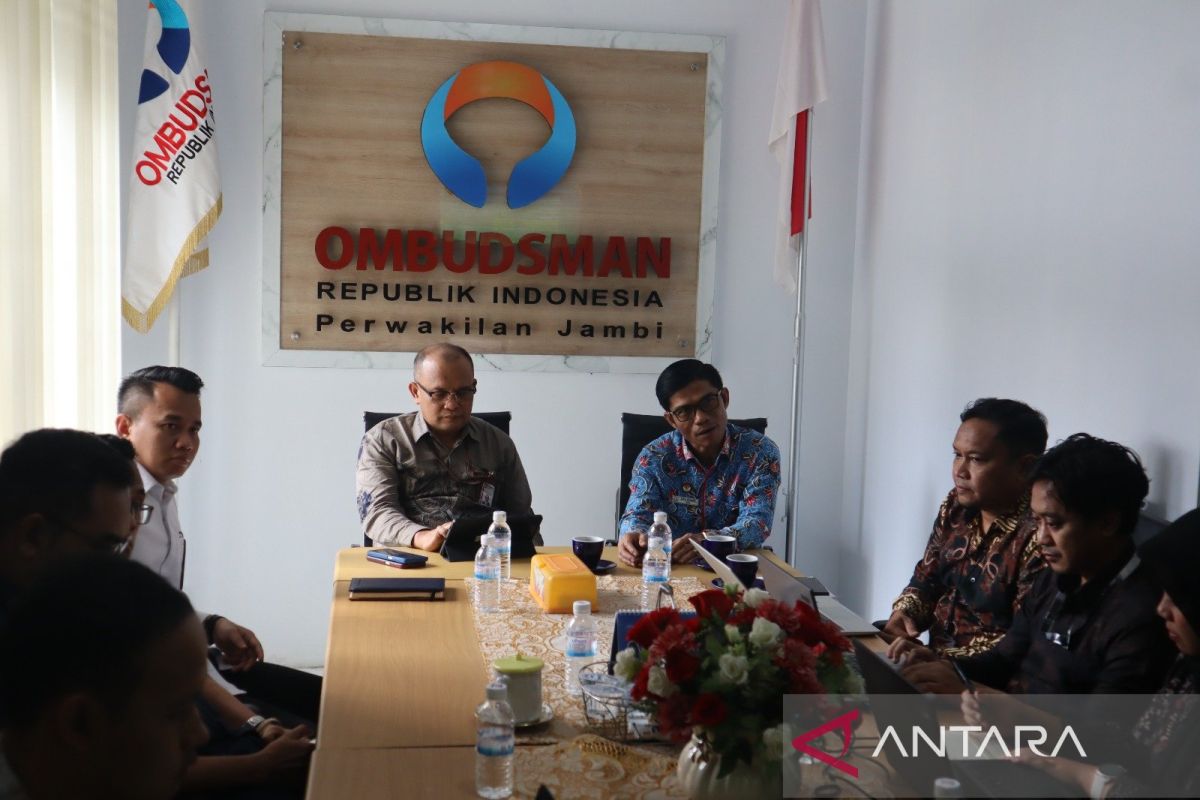
The Corruption Eradication Commission (KPK) together with the Ombudsman of the Republic of Indonesia’s Jambi Representative Office discussed potential corruption risks in the public service sector as an effort to strengthen prevention in the regions.
“Although we only have an office in Jakarta, our oversight reaches the regions. For that reason, we need to synergise with the Ombudsman in the regions, which also supervises public services,” said Uding Juharudin, Head of the KPK’s Coordination and Supervision Task Force for Region I, in Jambi on Tuesday.
Uding explained that the KPK’s prevention and supervision function plays a role in providing education and minimising the potential for corruption, especially in the public service sector, which, based on data, remains one of the most vulnerable sectors.
According to him, coordination between the KPK and the Ombudsman in the regions is important to strengthen efforts to prevent and eradicate corruption.
“From the data we have, the most common corruption cases currently take the form of bribery or gratuities in the public service sector,” he said.
He assessed that the issue of integrity remains a challenge because there are still government administrators who do not work according to procedure and have not made integrity a work culture.
“There is not yet a strong desire to truly eradicate the corrupt culture. Unless it has gone viral on social media, only then are sanctions finally imposed, such as dismissal,” he said.
According to Saiful, stricter supervision and firm enforcement of sanctions are necessary to prevent corrupt practices in the administration of public services.
“The problem is that there is still impunity. As a result, violations and corrupt practices can increase, especially if the sanctions do not provide a deterrent effect,” he said.