
KPAI Urges Immediate Construction of Comprehensive Child Protection System
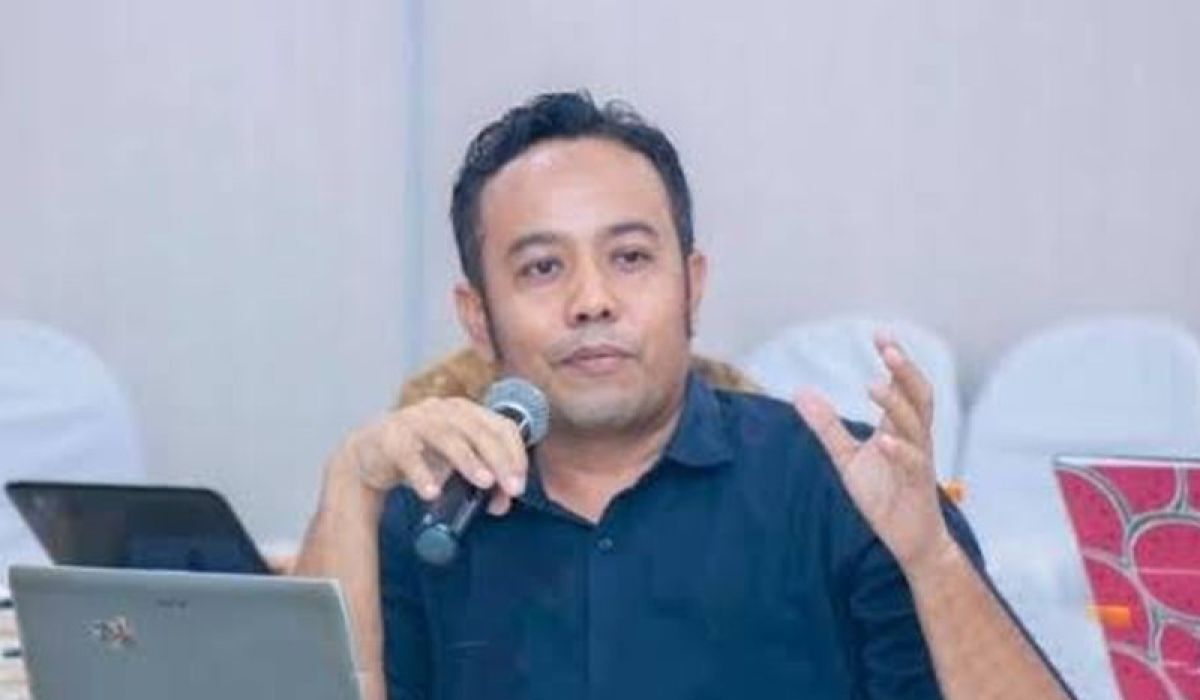
Deputy Chair of the Indonesian Child Protection Commission (KPAI), Jasra Putra, affirmed that the momentum of National Children’s Day on 23 July must serve as a reminder that children are a trust from God as well as the nation’s successor generation. He stressed the importance of building a comprehensive child protection system without delay.
“The effort to build a comprehensive child protection system must begin right now. Do not wait until tomorrow, let alone wait until 2045,” said Jasra at the Denpasar 12 Discussion Forum held online on Wednesday (8 July).
According to Jasra, Indonesia’s biggest homework at present is consistently implementing all existing child protection regulations. This requires the active involvement of all relevant parties, given that children currently make up a third of Indonesia’s total population.
On the same occasion, consultant at the Lentera Anak Foundation, Reza Indragiri Amriel, highlighted the phenomenon of the “deadly triangle” that is often the root of violence against children. The three factors comprise divorce, custody disputes, and the blocking of parents’ access to their children.
Reza assessed that these three events frequently trigger violence. The situation is exacerbated by legal processes sometimes handled by law enforcement officials who lack an understanding of crucial aspects of child protection. “A number of these matters must receive serious attention in efforts to realise a comprehensive protection system for children,” he said.
Meanwhile, psychologist and holistic health consultant Shinta Sari Shaleh explained that the deepest impact of violence is often invisible physically. The greatest wound for child victims of violence lies instead in how victims view themselves.
Shinta explained that many child victims of violence report late due to deep trauma, particularly when the perpetrator is a close relative who holds power over them. She emphasised that the process of restoring a child’s mental health must be carried out thoroughly.
“Efforts to restore the mental health of child victims of violence must be complete and thorough, involving the active role of parents and family as the primary support system,” Shinta concluded.