
KPAI urges government to impose deterrent effect in free nutritious meal programme
Providers that fail must not simply pause briefly and then return to receive the same opportunity without adequate learning and accountability.
Jakarta (ANTARA) - The Indonesian Child Protection Commission (KPAI) is urging the government to implement a deterrent system in the execution of the Free Nutritious Meal (MBG) programme so that its quality is maintained and it is properly targeted at fulfilling children’s nutritional needs.
“We must not allow a provider that fails to simply pause for a while and then return to receive the same opportunity without adequate learning and accountability. A deterrent effect is not merely about punishment, but about preventing other children from becoming victims,” said KPAI Deputy Chair Jasra Putra in a statement issued in Jakarta on Monday.
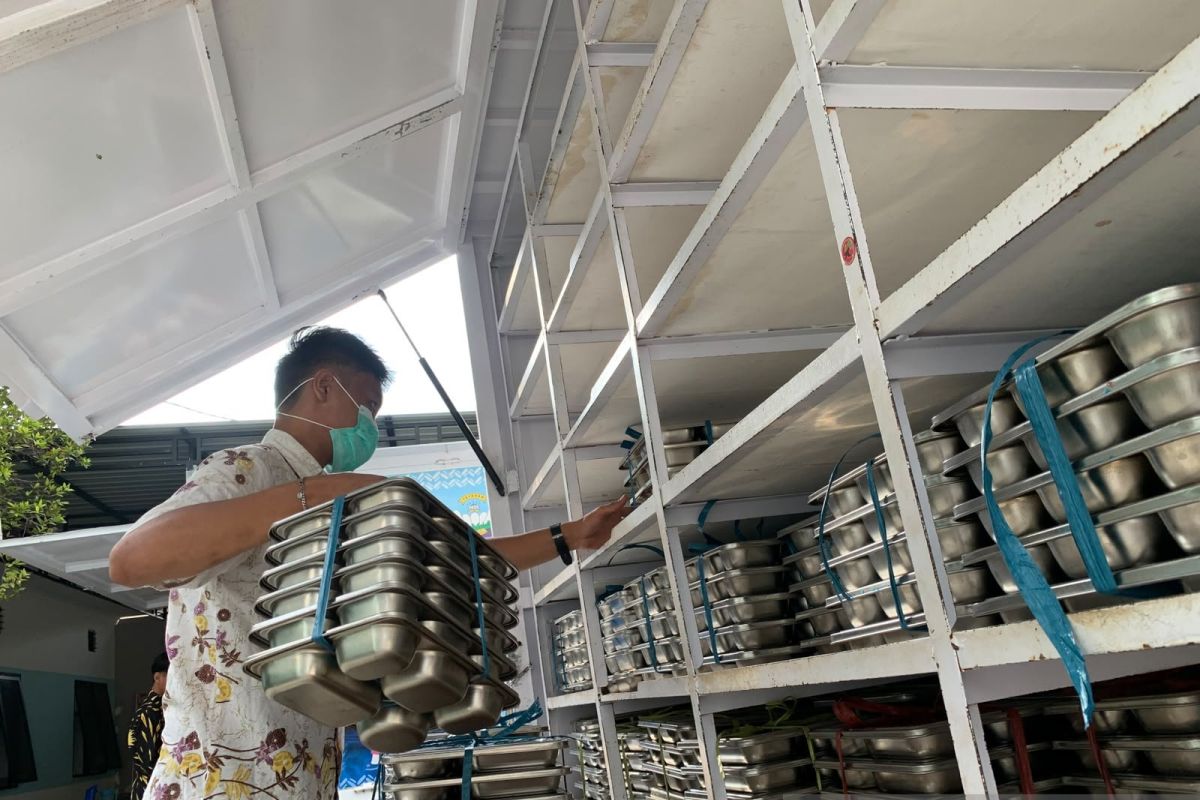
He said every stage of the MBG programme carries risk points, from menu planning and raw materials, procurement, processing, cooking, cooling, portioning, packaging, storage, transport and distribution through to the moment food is consumed by children.
“At every one of those points there is a Standard Operating Procedure (SOP). But an SOP without firm consequences easily becomes merely an administrative document. There must be a clear link between compliance, service quality, payment, contract evaluation, operational termination, and law enforcement whenever negligence or violations are found,” he said.
In addition, KPAI is calling on the government to carry out a total risk-based audit.
“Audits must not stop at the kitchen, but must cover the entire chain, including raw materials, processing, temperature, timing, storage, vehicles, drivers, distance, distribution and consumption,” said Jasra.
He also asked the government to re-evaluate the radius between kitchens and schools.
“Geographical conditions, travel time, traffic congestion and road infrastructure must be parameters in determining the service areas of the Nutrition Fulfilment Service Units (SPPG),” said Jasra.
KPAI is further urging the government to treat every poisoning incident as an automatic trigger for an audit.
“Every suspected poisoning case must result in a thorough investigation, not just a temporary suspension. The findings of the investigation must become the basis for improvement and prevention of subsequent cases. What we need is the political will to make changes in parallel: improvements in governance, oversight, SPPG standardisation, distribution, human resource competence, certification, payment mechanisms, transparency and law enforcement,” he concluded.