
KPAI: Free Nutritious Meal Programme Must Be Managed with Strict Quality Control
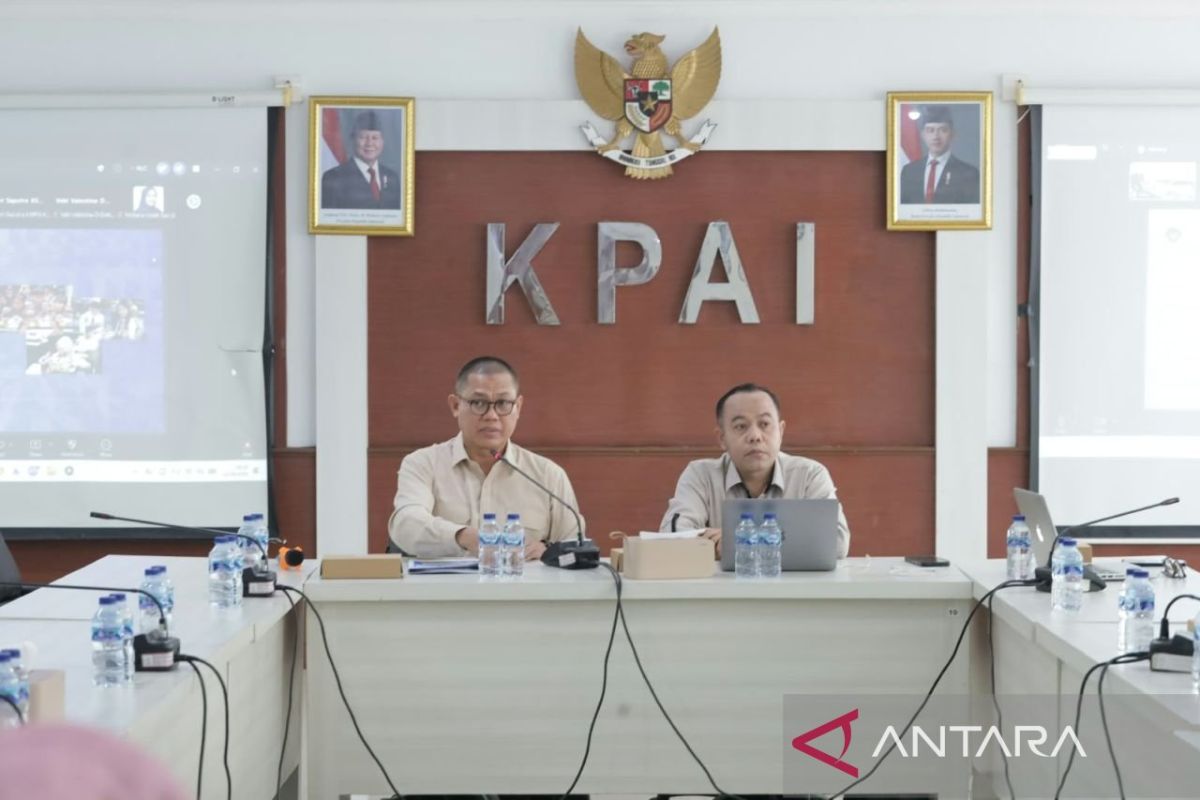
The Indonesian Child Protection Commission (KPAI) believes that the implementation of the Free Nutritious Meal (MBG) programme for pregnant women, breastfeeding mothers, and toddlers (3B) requires stronger supervision and quality control.
“It is vital to strengthen quality control across the entire MBG 3B delivery chain, starting from menu planning, food ingredient selection, processing, hygiene and sanitation, and distribution, until the food is received and consumed by the beneficiaries,” said KPAI Vice Chairman Jasra Putra in Jakarta on Wednesday.
According to him, attention to the MBG 3B programme should not merely focus on the volume of food produced and distributed. It is far more important to ensure that the food provided is safe, meets the biological needs of the beneficiaries, is high quality, and truly provides benefits for growth and development.
“Pregnant women, breastfeeding mothers, and toddlers have different nutritional needs. Therefore, they cannot be treated as a single group. Even among toddlers, food requirements differ according to their age and developmental stages,” Jasra Putra stated.
“For the 3B group, we are talking about the first 1,000 days of life. This is a very crucial period that cannot be repeated. Time keeps moving. Therefore, every food provision must be well-managed because the opportunity to correct mistakes during this period is not the same as correcting issues later in life,” he added.
Meanwhile, the Deputy of Promotion and Cooperation at the National Nutrition Agency (BGN), Mariman Darto, also agreed on the importance of strengthening quality control in the implementation of the MBG 3B programme.
“Strengthening quality is not enough if done at only one point; it must be part of the entire programme implementation process. This is essential to ensure that the food reaching the beneficiaries meets the standards of safety, quality, and the specific needs of the target group,” he said.