
KPAI: Disaster response must also ensure children are safe in shelters
The Indonesian Child Protection Commission (KPAI) has reminded authorities that disaster response is not enough if it only ensures children are physically safe. It must also guarantee that children are secure, remain in proper care, receive basic services, are protected from violence, and obtain recovery support.
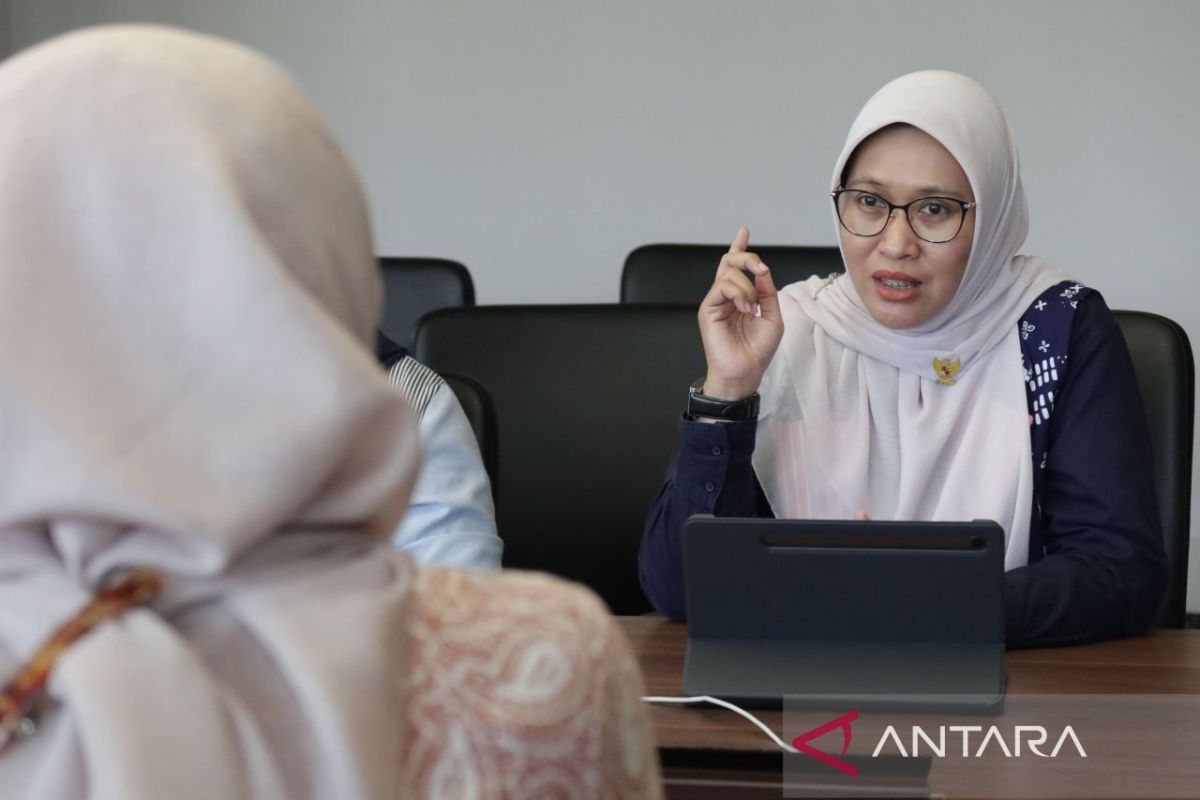
“KPAI urges that in our efforts to save children from natural disasters, we must not allow them to face the risk of violence and exploitation in evacuation shelters,” said KPAI member Diyah Puspitarini when contacted in Jakarta on Sunday.
She made the statement in response to the condition of children affected by the earthquake in several areas of East Nusa Tenggara (NTT).
She stressed that child protection must be implemented from the emergency response phase, through the recovery period, and up to rehabilitation and reconstruction.
The commission is pushing for rapid and disaggregated data collection and identification of children affected by disasters, including by age, gender, disability status, evacuation location, and care status.
“Ensure that no child is separated from their parents or caregivers. Separated children must immediately receive a mechanism for search, family tracing, reunification, and safe care,” said Diyah Puspitarini.
The government must ensure the fulfilment of children’s basic needs, including nutritious food, clean water, sanitation, clothing, safe housing or evacuation shelters, health services, medicines, and the specific needs of infants and children.
The government must also ensure the continuity of children’s education.
“Disaster conditions must not cause children to lose their right to education for a prolonged period. The government needs to prepare emergency education services and learning recovery according to the conditions of the affected areas,” she said.
In addition, psychosocial support for children must be provided.
“Children who experience disasters may face loss, fear, anxiety, or trauma. Therefore, psychosocial support must be part of the response from the emergency phase through to recovery,” she said.
The commission also highlighted efforts to prevent violence and exploitation against children in evacuation shelters.
According to her, supervision and reporting systems must be available and easily accessible to children and the public.