
KPAI condemns child exploitation in mass protest in Jakarta
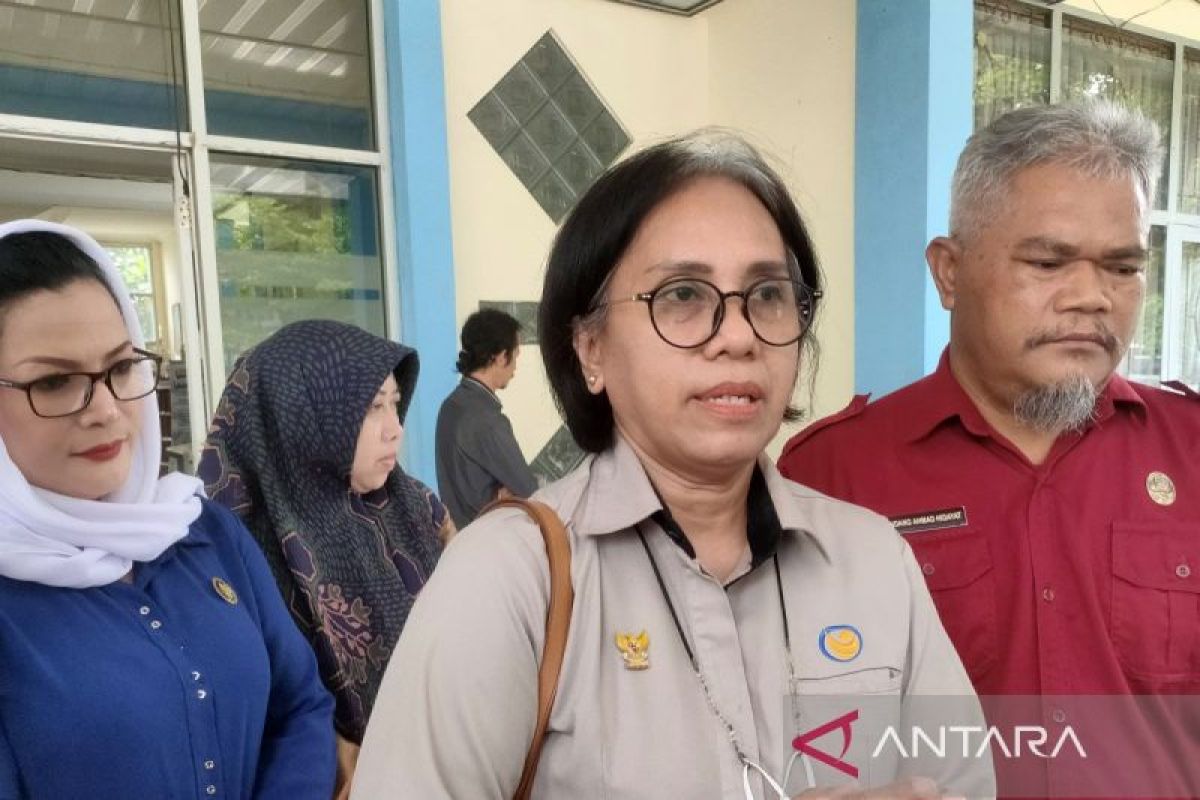
The Indonesian Child Protection Commission (KPAI) has condemned the exploitation of children during a mass protest in Jakarta on Thursday, 27 August 2026.
“Exploitation of children in mass protests is a violation of children’s fundamental rights protected by the constitution and Law Number 35 of 2014 on Amendments to Law Number 23 of 2002 on Child Protection and Law Number 11 of 2012 on the Juvenile Criminal Justice System,” said KPAI member Sylvana Maria Apituley when contacted in Jakarta on Friday.
KPAI emphasised that the political exploitation of children contradicts children’s right to participation, because meaningful child participation requires voluntariness, full understanding of the substance and ideas being conveyed by the child, as well as the consequences of expressing those views.
She stressed that meaningful child participation requires a safe and comfortable space for children to express their opinions.
The commission regretted the recurring pattern of children’s involvement in the demonstration of 27 August 2026.
“KPAI found recurring methods and patterns of children’s involvement in protests. The majority were vocational and senior high school students, a small number were still in junior high school, and some had dropped out of school. Some of the children stated they were merely tagging along, invited by friends, or wanted to watch the protest. They were detained by police in the area near the DPR Building and Palmerah Station, South Jakarta, on Thursday (27/8) afternoon and/or evening,” said Sylvana Maria Apituley.
However, mobilising children with the targets and political agendas of adults, particularly by exploiting children’s vulnerabilities, including the economic vulnerability of their parents, clearly constitutes a violation of children’s right to meaningful participation.